
Previous issue | Next issue | Archive
 Volume 16 (3); September 2026
 Research Paper
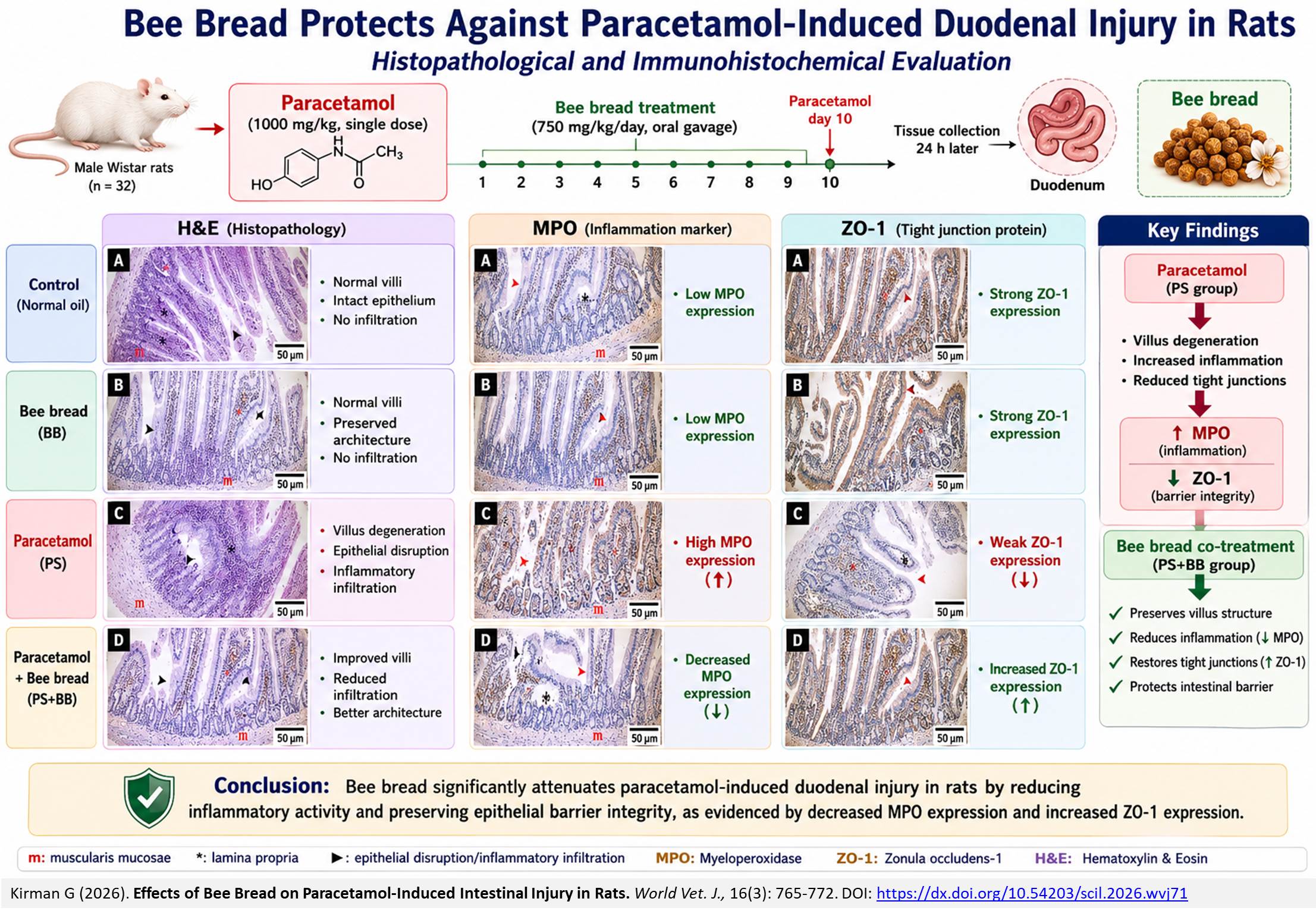
Effects of Bee Bread on Paracetamol-Induced Intestinal Injury in Rats
|
|
Kirman G.
World Vet. J. 16(3): 765-772, 2026; pii:S232245682600071-16
DOI: https://dx.doi.org/10.54203/scil.2026.wvj71
ABSTRACT: Although paracetamol (PS) is widely used as a safe analgesic and antipyretic agent in both humans and animals at therapeutic doses, high-dose administration may cause damage not only to the liver and kidneys but also to the gastrointestinal system. The present study aimed to evaluate the protective effects of bee bread (BB) on intestinal integrity and inflammation in a paracetamol-induced intestinal injury model in Wistar rats using histopathological and immunohistochemical methods. The expression levels of the tight junction protein zonula occludens-1 (ZO-1) and the inflammatory marker myeloperoxidase (MPO) were evaluated by immunohistochemistry. A total of 32 male rats (8-10 weeks old, 250-300 g) were randomly assigned to four groups (n = 8 per group), consisting of the control group, the BB group (750 mg/kg/day orally for 10 days), the PS group (1000 mg/kg administered as a single oral dose on day 10), and the PS plus BB group. The BB group exhibited normal intestinal histological architecture, preserved ZO-1 expression, and low MPO immunoreactivity, comparable to those observed in the control group. In contrast, the PS group showed marked mucosal irregularities, villus degeneration, increased inflammatory cell infiltration, decreased ZO-1 expression, and increased MPO immunoreactivity. Compared with the PS group, BB treatment alleviated paracetamol-induced intestinal injury, increased ZO-1 expression, and reduced MPO immunoreactivity in the PS plus BB group. In conclusion, BB administration alone did not adversely affect intestinal morphology or the evaluated immunohistochemical markers and partially protected against paracetamol-induced intestinal injury by preserving intestinal barrier integrity and attenuating inflammatory responses.
Keywords: Bee bread, Histology, Paracetamol, Zonula occludens-1
[Full text-PDF] [Crossref Metadata] [Scopus] [Export from ePrint]
 Research Paper
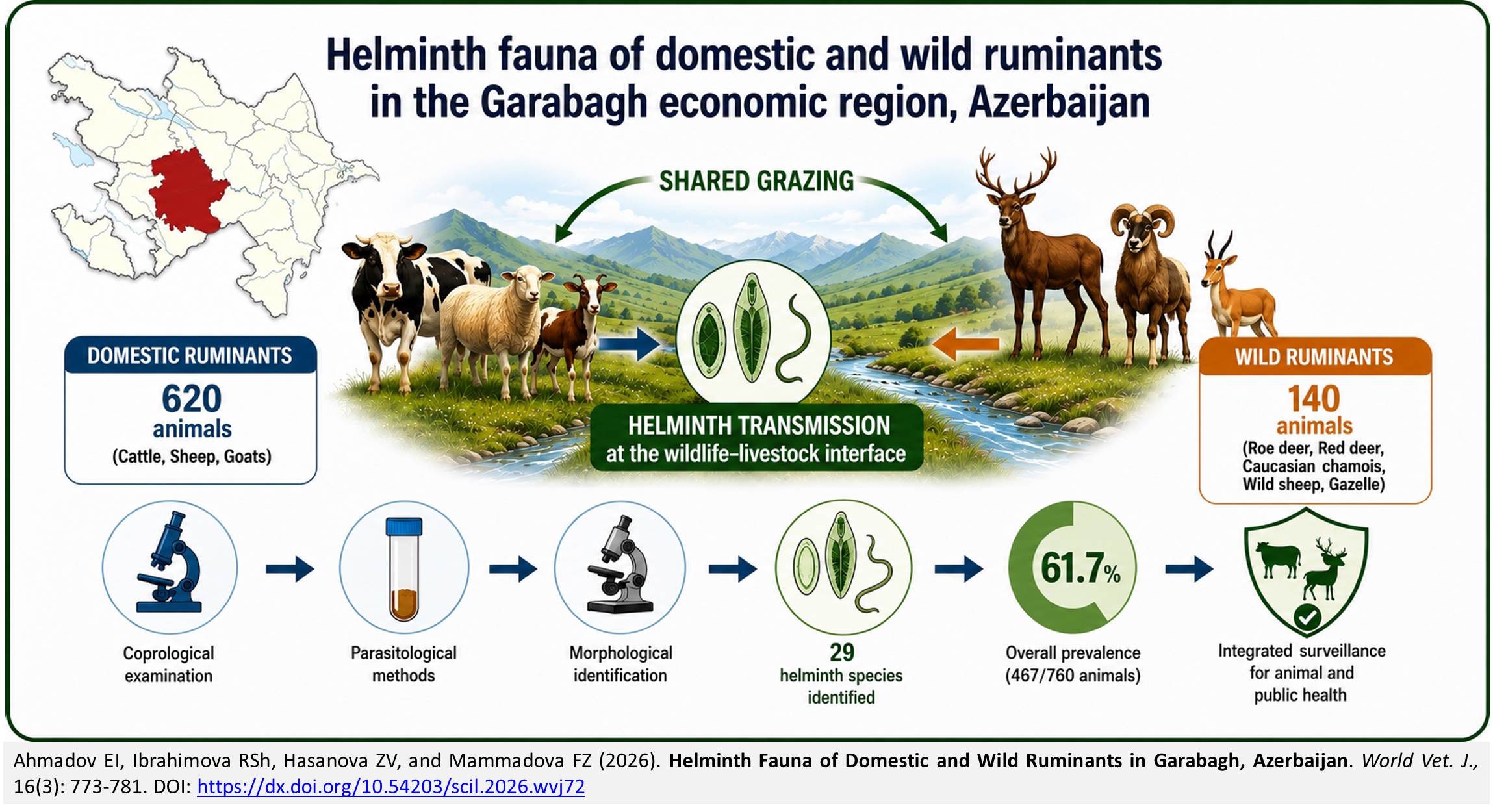
Helminth Fauna of Domestic and Wild Ruminants in Garabagh, Azerbaijan
|
|
Ahmadov EI, Ibrahimova RSh, Hasanova ZV, and Mammadova FZ.
World Vet. J. 16(3): 773-781, 2026; pii:S232245682600072-16
DOI: https://dx.doi.org/10.54203/scil.2026.wvj72
ABSTRACT: Helminth infections represent a significant constraint impacting the health and productivity of ruminants, with their distribution closely associated with ecological and management factors. The present study aimed to investigate the species composition, prevalence, and biocenological characteristics of helminths in domestic and wild ruminants in the Garabakh Economic Region of Azerbaijan. Between 2022 and 2025, a total of 760 animals were examined. Out of these, 620 were domestic ruminants such as cattle, sheep, and goats, whereas the other 140 included wild ruminants such as European roe deer, red deer, Caucasian chamois, wild sheep, and goitered gazelle. Helminth infections were evaluated through standard coprological techniques such as flotation, sedimentation, and larval recovery methods. Species identification was conducted based on morphological characteristics, and faunistic similarity was assessed using the Jaccard index. A total of 29 helminth species were identified, with 18 presented in both domestic and wild hosts. The overall prevalence was 61.7%, with goats demonstrating the highest infection rate at 74.2%. The most frequently detected species across the total examined population of domestic and wild ruminants were Fasciola hepatica, Moniezia expansa, Moniezia benedeni, Haemonchus contortus, and Trichostrongylus axei. The high faunistic similarity between cattle and wild sheep, and between goats and Caucasian chamois (Ij = 0.51), indicated active circulation of parasites through shared grazing areas and water sources. Out of the 16 helminth species identified in domestic ruminants, 15 were found in wild hosts. Wild sheep and chamois exhibited the most similar faunal composition. The overall prevalence did not differ significantly between domestic (63.1%) and wild (55.7%) ruminants, with Fasciola hepatica detected in both groups. These quantitative results indicated that wild sheep and chamois played an active role in maintaining helminths alongside livestock, highlighting the importance of ecologically integrated surveillance in shared grazing regions.
Keywords: Economic region, Grazing, Helminth, Ruminant
[Full text-PDF] [Crossref Metadata] [Scopus] [Export from ePrint]
 Research Paper
Postbiotic Production from Bacillus Consortium Enriched with Avicennia marina Leaves and Its Antibacterial Activity Against Aquaculture Pathogens
|
|
Fahrurrozi A, Prayitno SB, Sarjito S, and Sabdaningsih A.
World Vet. J. 16(3): 782-798, 2026; pii:S232245682600073-16
DOI: https://dx.doi.org/10.54203/scil.2026.wvj73
ABSTRACT: Bacterial infections pose a critical challenge in aquaculture, causing mass mortality and financial losses. The present study aimed to formulate postbiotics from a Bacillus (B.) consortium (B. safensis, B. mycoides, and B. pumilus) enriched with Avicennia marina (A. marina) leaf powder (ALP) and evaluate their activity against Streptococcus agalactiae (S. agalactiae), Aeromonas hydrophila (A. hydrophila), Vibrio (V.) harveyi, V. parahaemolyticus, and V. alginolyticus. The postbiotics' antibacterial efficacy was assessed using broth microdilution to determine minimum inhibitory concentrations (MICs), followed by subculturing to determine minimum bactericidal concentrations (MBCs). The disk diffusion assay assessed the tolerance of Bacillus consortium to A. marina leaf extracts at 25, 50, 75, and 100 mg mL⁻¹, with ethanol as the negative and ciprofloxacin as the positive controls. Postbiotic production used the medium as the control and three graded concentrations of ALP at 1%, 2%, and 3%, followed by thermal inactivation, centrifugation, and filtration to ensure the absence of live cells. The postbiotic was examined using liquid chromatography-high-resolution mass spectrometry to determine its secondary metabolite profiles. The 3% ALP-enriched postbiotic was selected for final antibacterial efficacy analysis against aquaculture pathogens. The results demonstrated that the Bacillus consortium was resistant to leaf extracts at 25-100 mg mL⁻¹, with only minimal inhibition zones of 6.00 to 7.17 mm. In postbiotic production, 3% ALP enhanced bacterial viability to 9.08 log₁₀ CFU mL⁻¹. The 3% ALP-enriched postbiotic increased the number of metabolites from 384 (baseline control) to 543, accompanied by upregulation of Cyclo(-L-Ala-L-Tyr), (R)-Lactaldehyde, an acylprolinamide derivative, and D-(-)-Ribose. In vitro, 3% ALP selectively inhibited Vibrio spp., demonstrating significant inhibition zones (11.33-15.30 mm), low MIC values (1.6-25% v/v), and low MBC values (6.3-50% v/v). Although disk diffusion produced no inhibition zones for either A. hydrophila or S. agalactiae, A. hydrophila exhibited susceptibility at 25% v/v in the MIC and at 50% v/v in the MBC. In contrast, S. agalactiae remained resistant at the highest concentration, with MIC and MBC values exceeding 50% v/v. Enriching the Bacillus consortium with ALP increased the active metabolites in Bacillus postbiotics, offering a promising control against Vibrio spp. in aquaculture.
Keywords: Aquaculture, Avicennia marina, Bacillus consortium, Metabolite, Postbiotic, Vibriosis
[Full text-PDF] [Crossref Metadata] [Scopus] [Export from ePrint]
 Research Paper
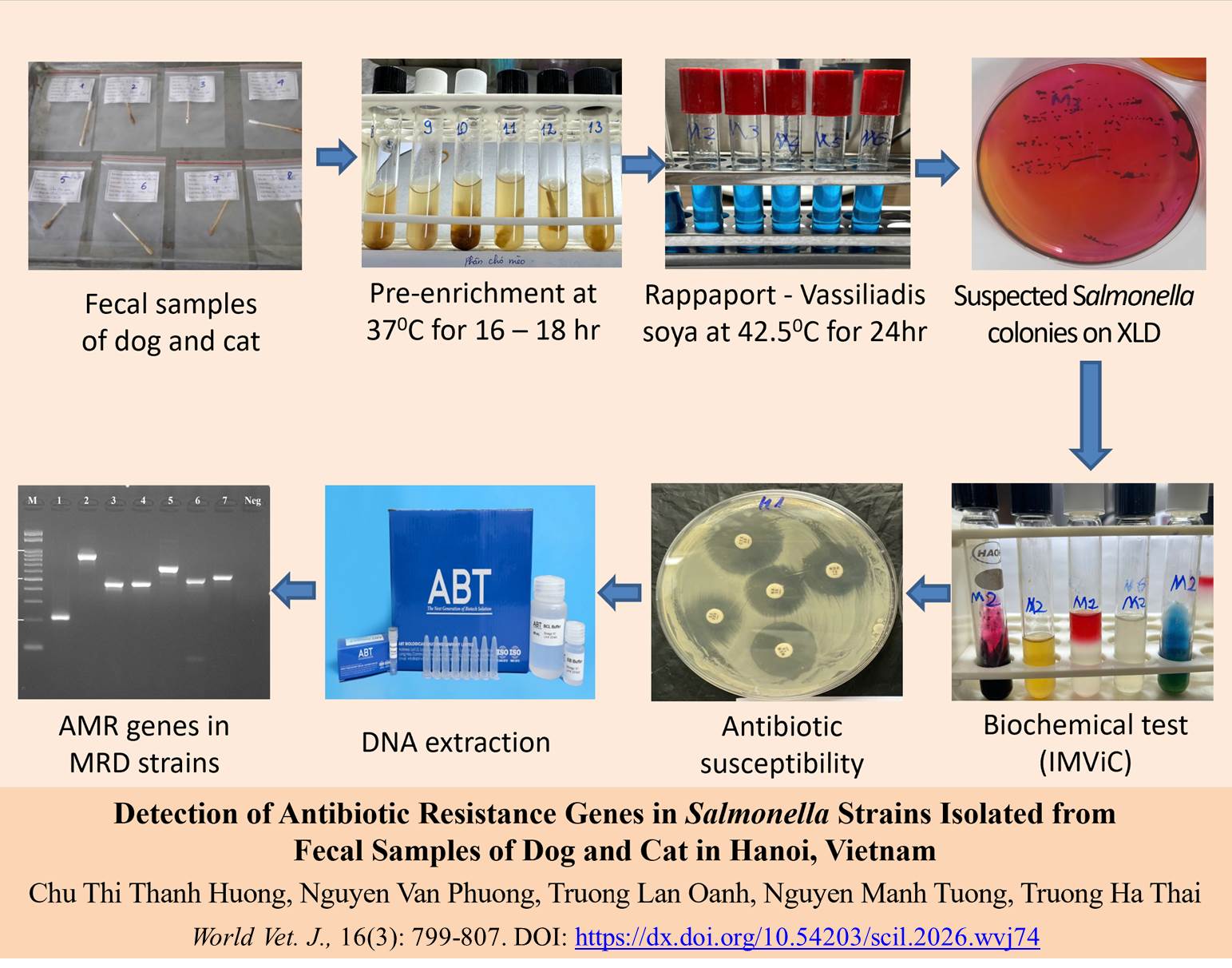
Detection of Antibiotic Resistance Genes in Salmonella Strains Isolated from Fecal Samples of Dogs and Cats in Hanoi, Vietnam
|
|
Huong CTT, Van Phuong N, Oanh TL, Tuong NM, and Ha Thai T.
World Vet. J. 16(3): 799-807, 2026; pii:S232245682600074-16
DOI: https://dx.doi.org/10.54203/scil.2026.wvj74
ABSTRACT: Salmonella belongs to the family Enterobacteriaceae and is a common pathogen that causes disease in humans and animals. Dogs and cats are potential sources of zoonotic diseases, including those caused by Salmonella spp. The current study aimed to investigate the prevalence and antibiotic resistance of Salmonella strains in fecal samples from dogs and cats collected at veterinary clinics in Hanoi, Vietnam. From November 2024 to December 2025, 161 fecal samples from dogs and cats were collected from 12 veterinary clinics in Hanoi, Vietnam, for Salmonella isolation. Fecal samples were cultured in peptone buffer water (PBW) and on selective media such as Rappaport-Vassiliadis soybean (RVS) broth and xylose lysine deoxycholate (XLD) agar; suspected Salmonella colonies were confirmed by biochemical tests, including sugar fermentation, H2S, and IMViC reactions. Antibiotic susceptibility was tested by agar diffusion, and genes implicated in antimicrobial resistance were detected by PCR amplification. The results showed that 11 (6.8%) of 161 fecal samples were Salmonella-positive; Salmonella was detected in 9 of 92 (9.8%) dog fecal samples and 2 of 69 (2.9%) cat fecal samples. The isolates exhibited the highest resistance to tetracycline (90.0%), followed by streptomycin (81.2%). Resistance to chloramphenicol and trimethoprim/sulfamethoxazole was 45.5%; for nalidixic acid, amoxicillin/clavulanic acid, doxycycline, gentamicin, and cefotaxime, resistance rates ranged from 27.3% to 36.4%. The isolates showed similar resistance rates to neomycin, kanamycin, and ciprofloxacin at 18.2%. Twelve antibiotic resistance genes, including blaTEM, aadA1, aadA2, aphA1-1AB, aac (3')-IV, sul1, cmlA1, floR, tetA, tetB, qnrA, and qnrS, were amplified in the antibiotic-resistant Salmonella strains, whereas blaPSE-1, blaOXA-1, tetG, qnrB, and aac (6’)-ib-cr were not detected. The results of the current study underscore the importance of monitoring antibiotic resistance in Salmonella spp. in companion animals to protect public health.
Keywords: Antibiotic resistance gene, Cat, Dog, Salmonella
[Full text-PDF] [Crossref Metadata] [Scopus] [Export from ePrint]
 Research Paper
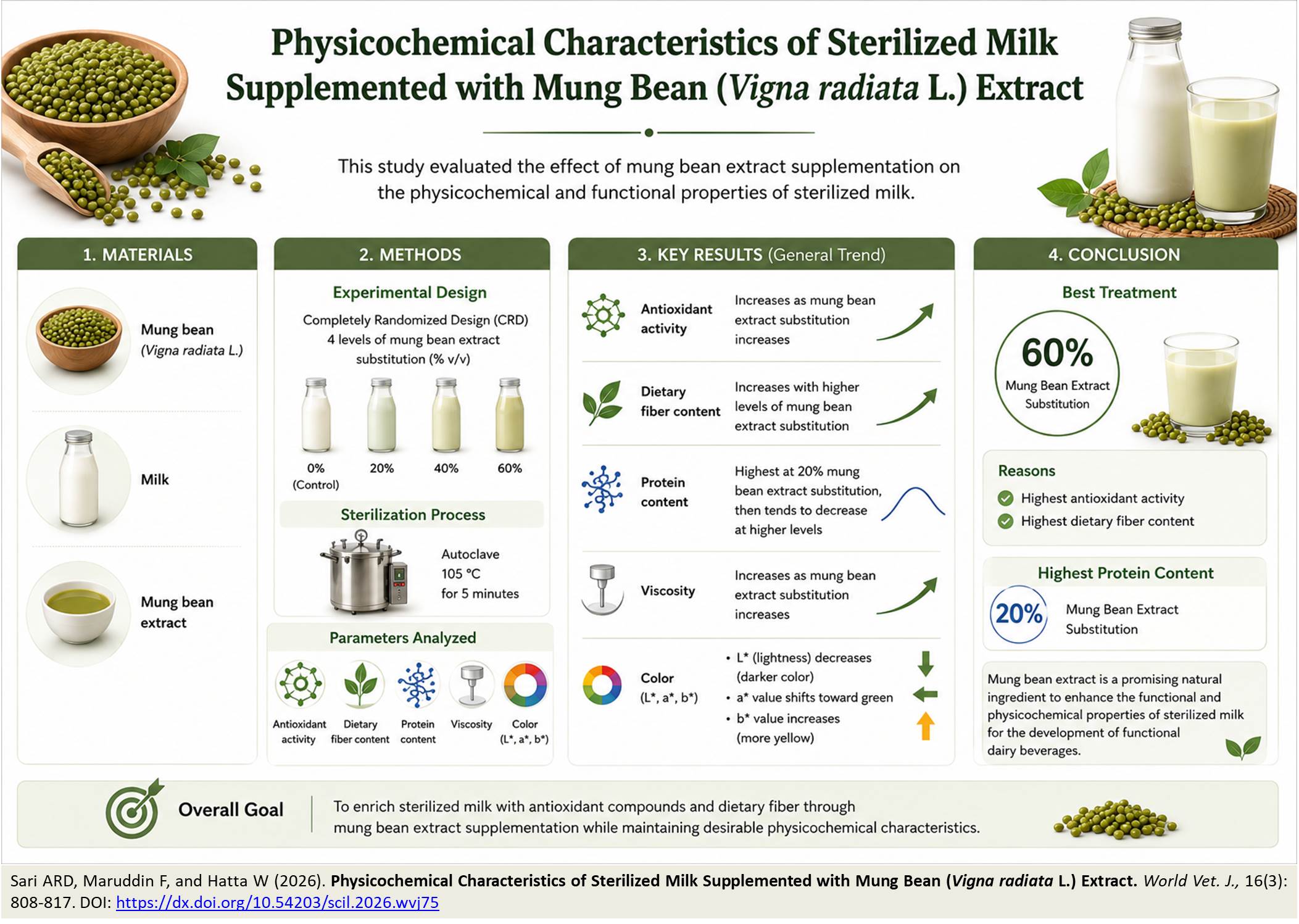
Physicochemical Characteristics of Sterilized Milk Supplemented with Mung Bean (Vigna radiata L.) Extract
|
|
Sari ARD, Maruddin F, and Hatta W.
World Vet. J. 16(3): 808-817, 2026; pii:S232245682600075-16
DOI: https://dx.doi.org/10.54203/scil.2026.wvj75
ABSTRACT: Sterilized milk is a nutritious dairy product; however, its dietary fiber and antioxidant contents are relatively low. Investigating the potential of sterilized milk is important to support the development of nutritionally enhanced and high-quality functional dairy beverages. The present study aimed to investigate the effects of incorporating mung bean (Vigna radiata L.) extract on the physicochemical properties, antioxidant activity, and dietary fiber content of sterilized milk. The present study followed a completely randomized design and consisted of four treatment groups with three replications per treatment. The first group was the control, with 100% milk and 0% mung bean extract (A1), the second group consisted of 80% milk and 20% mung bean extract (A2), the third group included 60% milk and 40% mung bean extract (A3), and the fourth group consisted of 40% milk and 60% mung bean extract (A4). Parameters analyzed included antioxidant activity, dietary fiber content, protein content, viscosity, and color (L*, a*, b*). The current results indicated that mung bean substitution had significant effects on all observed parameters. Increasing substitution levels increased antioxidant activity from 18.54% (A1) to 29.14% (A4), and dietary fiber content increased from 0.25% (A1) to 3.22% (A4). The highest protein content (2.28%) was achieved using a 20% mung bean extract substitution. Higher mung bean substitution increased the viscosity from 1.43 centipoise (cP) in the control group to 1.84 cP in Group A4. Compared to the control group, Group A4 exhibited a decrease in lightness (L*) from 74.80 to 66.90 and redness (a) from 5.61 to 0.58, alongside an increase in yellowness (b*) from 2.44 to 3.67. Substituting with 60% mung bean extract yielded the highest antioxidant activity and dietary fiber levels, while 20% mung bean extract led to the highest protein content.
Keywords: Antioxidant activity, Color value, Dietary fiber, Mung bean, Sterilized milk, Viscosity
[Full text-PDF] [Crossref Metadata] [Scopus] [Export from ePrint]
 Research Paper
Biocontrol Potential of Rhizospheric Soil Bacteria, Including Streptomyces and Comamonas Species, Against Aflatoxigenic Aspergillus flavus
|
|
Elsemin EM, Kimang'a AN, Bargul JL.
World Vet. J. 16(3): 818-839, 2026; pii:S232245682600076-16
DOI: https://dx.doi.org/10.54203/scil.2026.wvj76
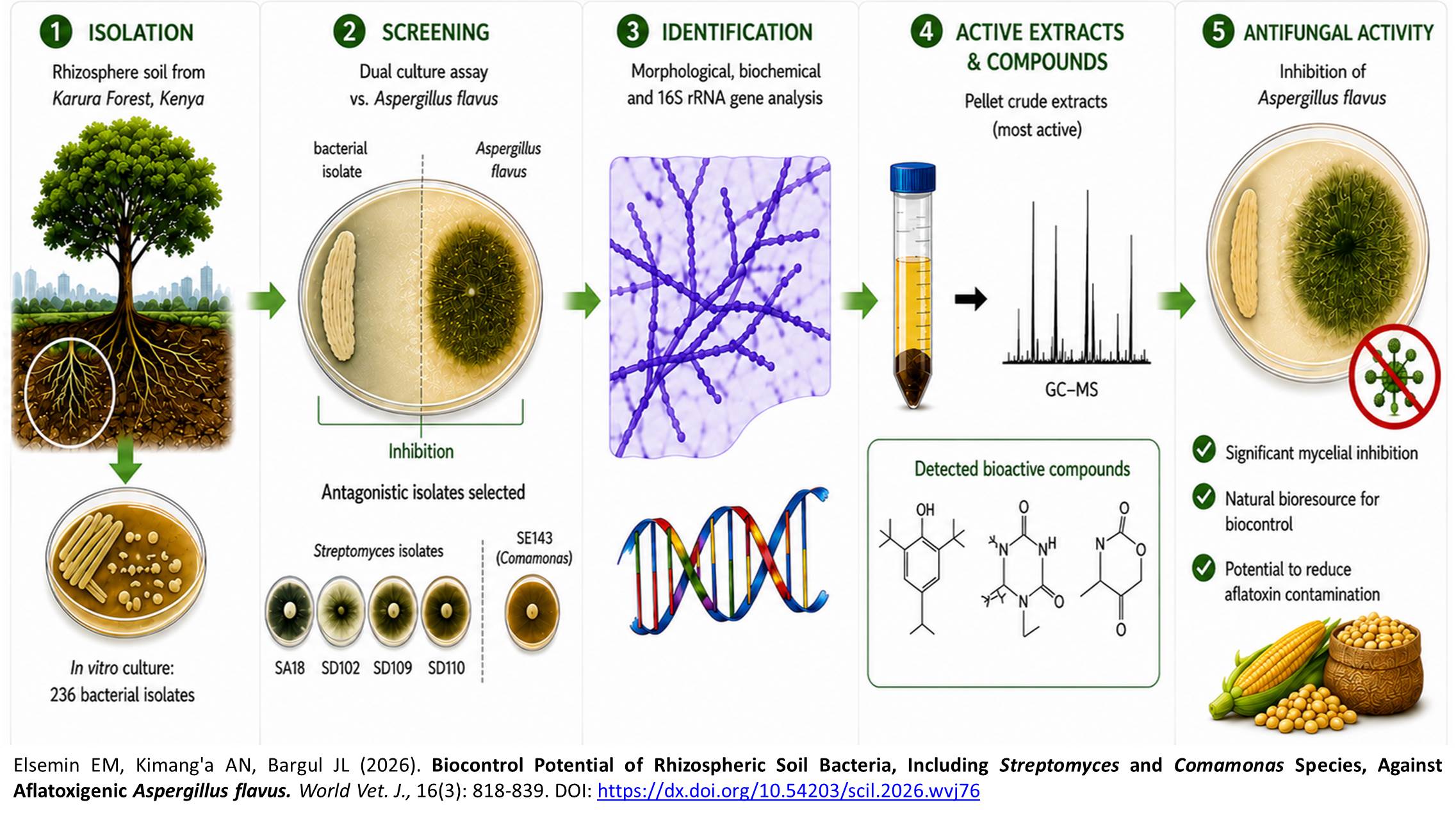
ABSTRACT: After decades of extensive exploration of bioactive compounds from Streptomyces spp., the discovery of new bioactive chemicals from routinely studied strains has been declining progressively. To tackle this challenge, recent studies have focused on Actinobacteria from under-explored ecological niches with significant microbial diversity. The present study aimed to assess the possible antifungal activity of Streptomyces spp. isolated from rhizospheric soils of Karura Forest, Nairobi, Kenya, against Aspergillus flavus (A. flavus), a fungal species known to produce aflatoxin. A total of 236 bacteria were isolated through in vitro cultures and characterized using macroscopic, microscopic, and biochemical tests to identify Streptomyces-like isolates, which were identified by dry, powdery colonies, filamentous branching hyphae, aerial mycelia, and the formation of spore chains, with Gram staining carried out later on isolates advanced through dual culture screening for antifungal activity. Dual culture assays, with A. flavus grown alone as the negative control, were performed to select the promising candidates for further extraction, gas chromatography-mass spectrometry (GC-MS) metabolite profiling, and antifungal testing by the disc diffusion method against PBS and nystatin as the negative and positive controls, respectively. The selected isolates also underwent molecular identification by PCR amplification and Sanger sequencing of the 16S rRNA gene. The analysis revealed that 190 isolates exhibited Streptomyces-like characteristics. Dual culture assays revealed that certain isolates inhibited the mycelial growth of A. flavus, and GC-MS profiling of the corresponding extracts confirmed the presence of bioactive metabolite classes. The pellet crude extracts of the six selected isolates (SA18, SD102, SD109, SD110, SE143, and SE194), exhibited the highest antifungal efficacy, with inhibitory zones of up to 31.60 ± 2.80 mm, relative to the positive control (nystatin); five of the isolates belonged to the genus Streptomyces, while SE143 was identified as Comamonas. Supernatant extracts and crude filtrates revealed lower and more variable inhibition across most of the isolates. The present findings indicated that rhizosphere-derived Streptomyces and Comamonas isolates from Karura Forest are potential natural candidates for biological control of A. flavus.
Keywords: Antifungal activity, Aspergillus flavus, Biocontrol, Comamonas sp., Streptomyces spp.
[Full text-PDF] [Crossref Metadata] [Scopus] [Export from ePrint]
 Research Paper
Optimizing Fermented Water Hyacinth Supplementation with Neurospora crassa in Ducks: Implications for Performance and Small Intestine Morphology
|
|
Maslami V, Wiryawan IKG, and Noesidiq A.
World Vet. J. 16(3): 840-856, 2026; pii:S232245682600077-16
DOI: https://dx.doi.org/10.54203/scil.2026.wvj77
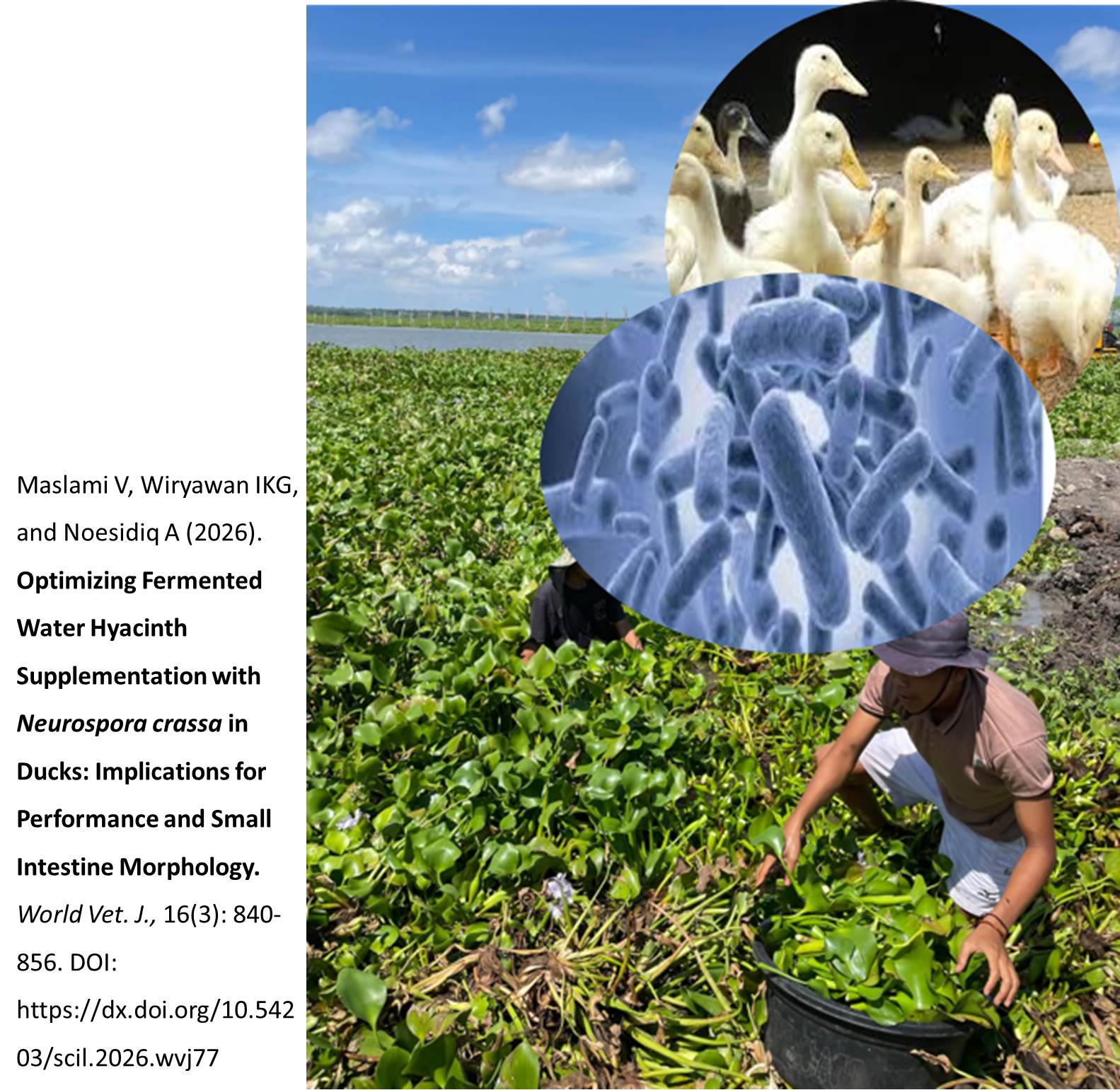
ABSTRACT: Water hyacinth is a potential alternative feed ingredient for ducks, but its utilization is limited by high fiber content and low digestibility. The present study aimed to evaluate the effects diets containing water hyacinth fermented with Neurospora crassa on feed intake, nutrient intake, growth performance, carcass traits, and intestinal morphology in Pekin ducks. A total of 100 ducks with an average initial body weight of 116 g were used in a completely randomized design with five treatments and four replications. Each replicate consisted of five ducks, and the experiment was conducted from 7 to 35 days of age. The treatments consisted of 0% water hyacinth (P1), 5% non-fermented water hyacinth (P2), 5% fermented water hyacinth (P3), 10% fermented water hyacinth (P4), and 15% fermented water hyacinth (P5). The feeding trial was conducted for four weeks. The analyzed parameters included feed intake, crude protein intake, crude fiber intake, metabolizable energy, feed conversion ratio, final body weight, weight gain, carcass percentage, and intestinal morphology. The results revealed that fermented water hyacinth inclusion had no significant effect on feed intake, metabolizable energy, feed conversion ratio, final body weight, weight gain, carcass percentage, breast percentage, thigh percentage, back percentage, and wing percentage among all treatment groups. No significant differences were observed in intestinal morphology parameters, including duodenal length, jejunal length, ileal length, and intestinal villus length among groups P1 to P5. However, ducks fed 15% fermented water hyacinth (P5) demonstrated significantly higher crude protein and crude fiber intakes compared to other groups. Water hyacinth fermented with Neurospora crassa can be included in Pekin duck diets at up to 15% without negatively affecting feed intake, growth performance, carcass traits, or intestinal morphology, while increasing crude protein and crude fiber intakes.
Keywords: Carcass trait, Duck, Fermentation, Intestinal morphology, Neurospora crassa, Water hyacinth
[Full text-PDF] [Crossref Metadata] [Scopus] [Export from ePrint]
 Research Paper
Prevalence and Pathomorphology of Endoparasites in Indian Peafowl (Pavo cristatus) under Different Housing Systems in Odesa Region, Ukraine
|
|
Bogach M, Bohach O, Рiven O, Perotska L, Roman L, and Bohach D.
World Vet. J. 16(3): 857-870, 2026; pii:S232245682600078-16
DOI: https://dx.doi.org/10.54203/scil.2026.wvj78
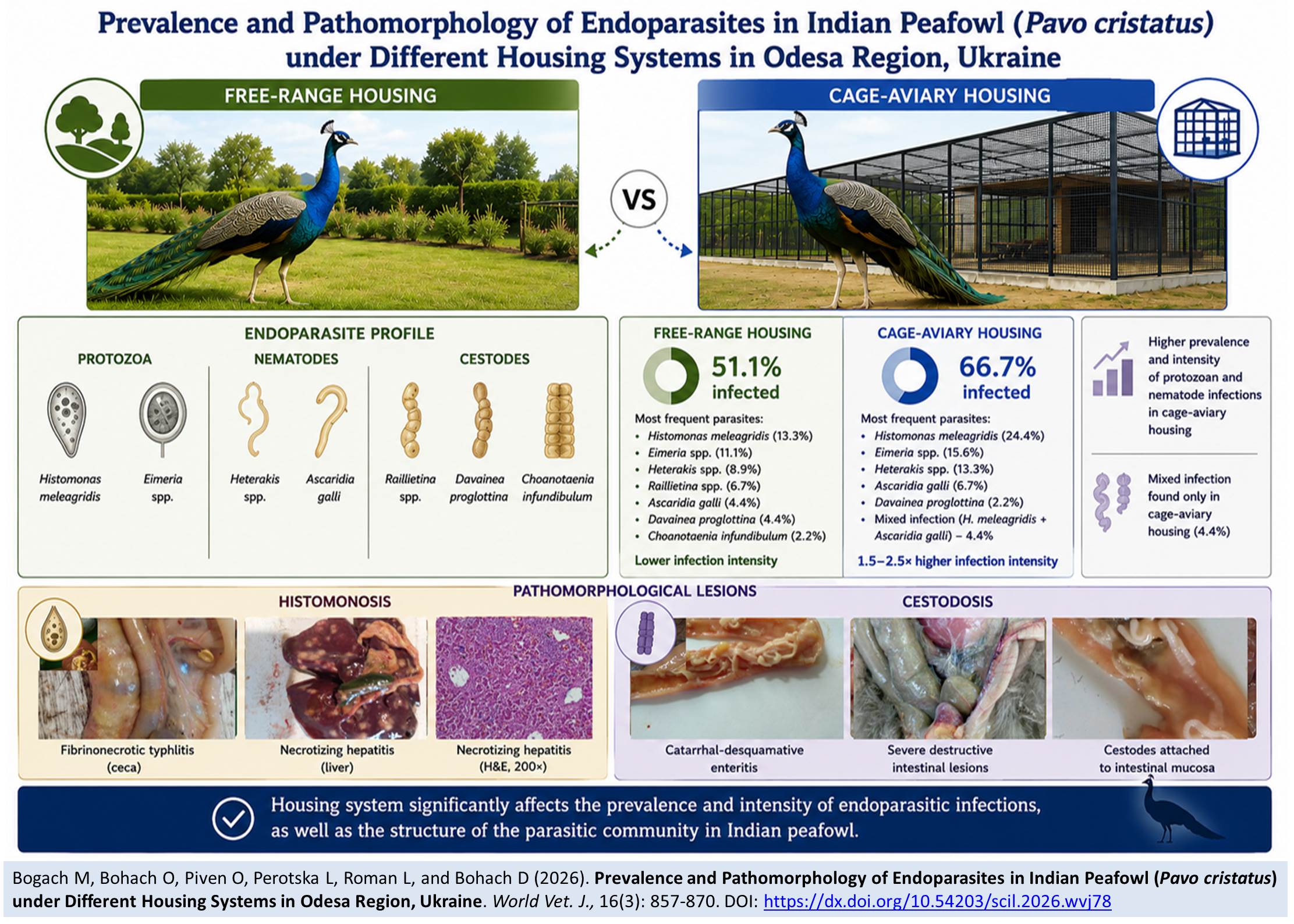
ABSTRACT: Parasitic infections represent a major health concern in ornamental and exotic poultry, adversely affecting the health, productivity, and survival of Indian peafowl (Pavo cristatus). The present study aimed to determine the prevalence and species composition of endoparasites in Indian peafowl maintained under free-range and aviary housing systems, and to characterize the gross and pathomorphological lesions associated with histomonosis and cestodosis. The present study was conducted in 2020-2025 on private farms and bioparks in the Odesa Region, Ukraine, and included 90 Indian peafowl, 44 males and 46 females, aged 1-2 years. Fecal samples were collected in all seasons, with 45 peafowl kept under free-range housing and 45 under cage-aviary housing. Fecal samples were analyzed by direct smear, flotation, and the McMaster method. The pathomorphological manifestations of histomonosis were examined through a retrospective analysis of 17 cases in Indian peafowl aged 6 weeks to 16 months. Meanwhile, gross lesions of cestodosis were assessed during postmortem examinations of three naturally infected peafowl. The overall prevalence of endoparasitic infections in Indian peafowl was 51.1% under free-range housing and 66.7% under cage-aviary housing. Under free-range housing, Indian peafowl were most frequently infected with Histomonas meleagridis (H. meleagridis; 13.3%), Eimeria spp. (11.1%), Heterakis spp. (8.9%), Raillietina spp. (6.7%), Ascaridia galli (4.4%), Davainea proglottina (4.4%), and Choanotaenia infundibulum (2.2%). In cage-aviary housing, the most common parasites were H. meleagridis (24.4%), Eimeria spp. (15.6%), Heterakis spp. (13.3%), Ascaridia galli (6.7%), and Davainea proglottina (2.2%). A mixed infection of H. meleagridis and Ascaridia galli was found exclusively in cage-aviary housing (4.4%). No apparent sex-related differences in susceptibility to protozoan infections were observed. The intensity of protozoan and nematode infections was generally higher in Indian peafowl housed in cage-aviaries than in those under free-range housing. Histomonosis was characterized by fibrinonecrotic typhlitis and characteristic necrotizing hepatitis, whereas cestodosis was associated with catarrhal-desquamative enteritis and severe destructive intestinal lesions. The current results indicated that the housing system affected the prevalence and intensity of parasitic infections, as well as the structure of the parasitic community, in Indian peafowl.
Keywords: Cestodosis, Hepatitis, Histomonosis, Indian peafowl, Protozoan infection
[Full text-PDF] [Crossref Metadata] [Scopus] [Export from ePrint]
 Research Paper
Isolation, Phenotypic Characterization, and Functional Potential of Indigenous Lactic Acid Bacteria from Fresh Duck Eggs
|
|
Irham M, Hatta W, and Maruddin F.
World Vet. J. 16(3): 871-880, 2026; pii:S232245682600079-16
DOI: https://dx.doi.org/10.54203/scil.2026.wvj79
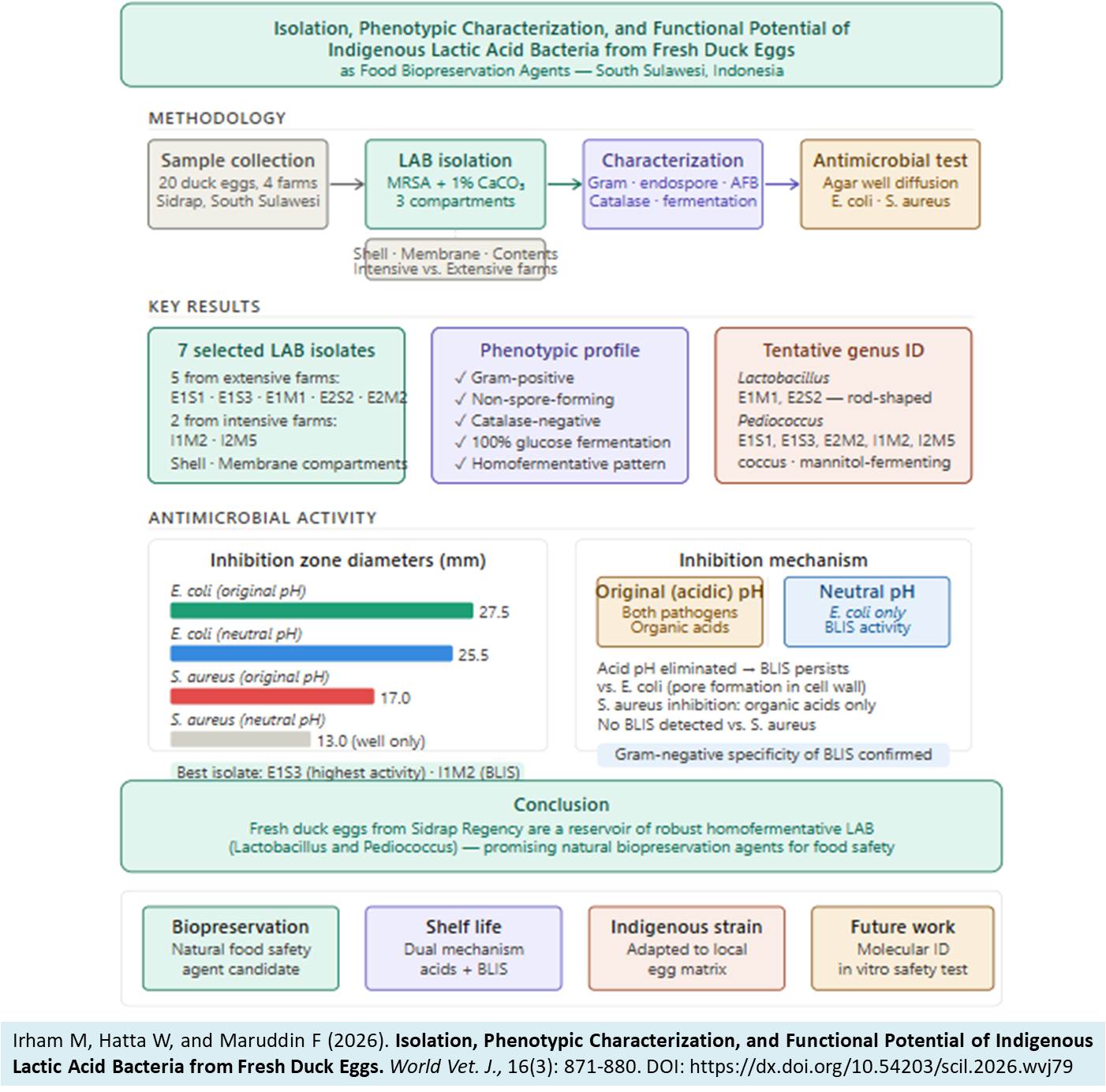
ABSTRACT: Duck eggs are a highly nutritious source of animal protein; however, they are particularly susceptible to microbial contamination. Indigenous lactic acid bacteria (LAB) capable of colonizing fresh egg matrices may possess adaptive traits, making them effective natural biopreservation agents. The present study aimed to isolate, phenotypically characterize, and evaluate the antimicrobial activity of LAB derived from different compartments of fresh duck eggs, specifically the inner eggshell, egg membrane, and egg contents. Duck eggs were obtained from two intensive farms (I1 and I2) and two extensive farms (E1 and E2) located in Sidrap Regency, South Sulawesi, Indonesia, during 2024. The LAB isolates were obtained using a selective culture method employing De Man, Rogosa and Sharpe agar enriched with 1% CaCO₂. Twenty fresh duck eggs (five per location) were sampled, yielding 35 isolates, of which seven were confirmed as LAB based on morphological and biochemical analyses. Characterization included Gram, endospore, and acid-fast staining, catalase testing, and carbohydrate fermentation profiling. Antimicrobial activity against Escherichia coli (E. coli) and Staphylococcus aureus (S. aureus) was evaluated using agar well diffusion method at the original (acidic) and neutral pH levels to identify bacteriocin-like inhibitory substances (BLIS). Seven selected LAB isolates were obtained, including five from extensive farms (E1S1, E1S3, E1M1, E2S2, E2M2) and two from intensive farms (I1M2, I2M5). All isolates demonstrated complete glucose fermentation and a homofermentative pattern. Isolates E2S2, E2M2, and I1M2 fermented glucose, lactose, fructose, and mannitol, whereas E1S1, E1S3, E1M1, and I2M5 fermented glucose exclusively. Based on phenotypic data, the isolates were preliminarily classified as Lactobacillus and Pediococcus species. Antimicrobial activity testing demonstrated significant inhibitory potential, with maximum inhibition zones of 27.5 mm against E. coli and 17.0 mm against S. aureus. Although inhibition zone diameters decreased at neutral pH, the persistence of a clear zone against E. coli indicated BLIS production. The disappearance of inhibitory activity against S. aureus at neutral pH indicated that organic acids caused the pathogen's inhibition. The current findings indicated that fresh duck eggs contain a high abundance of homofermentative LAB, which could serve as effective natural biopreservation agents to improve food safety and prolong shelf life.
Keywords: Antimicrobial activity, Duck egg, Lactic acid bacteria, Lactobacillus, Pediococcus
[Full text-PDF] [Crossref Metadata] [Scopus] [Export from ePrint]
 Research Paper
Prevalence, Risk Factors, and Clinicopathological Characterization of Ocular and Renal Complications of Diabetes Mellitus in Dogs
|
|
Dinh KN, Nguyen TN, Thuy Bui LN, Kim Le TT, and Nguyen TT.
World Vet. J. 16(3): 881-888, 2026; pii:S232245682600080-16
DOI: https://dx.doi.org/10.54203/scil.2026.wvj80
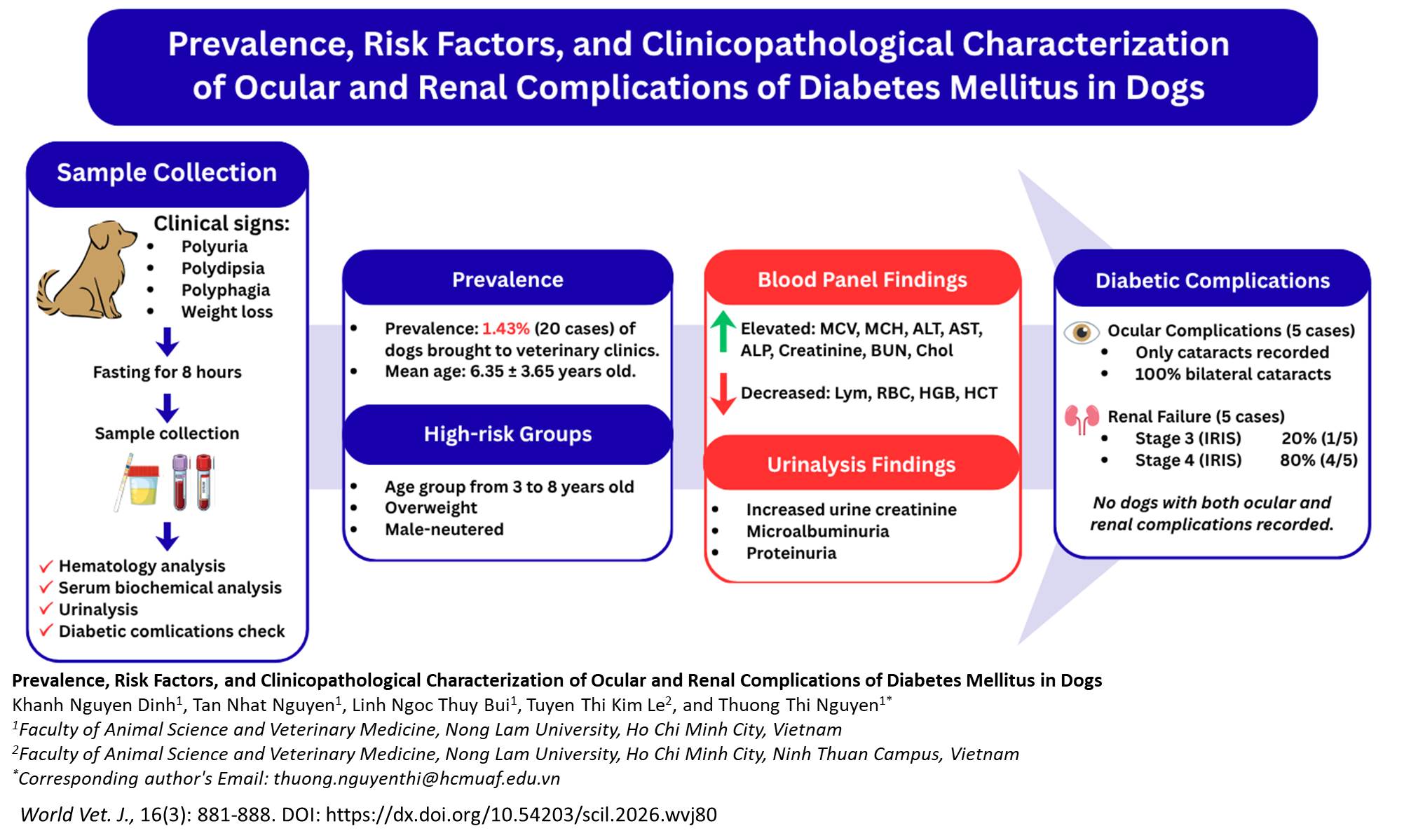
ABSTRACT: Canine diabetes mellitus (DM) is an endocrinopathy in dogs, which can lead to diabetic complications in the patient’s eyes and kidneys. The present study aimed to describe the prevalence, risk factors, hematologic and serum biochemical findings, and incidence of ocular and renal complications of DM in dogs at veterinary clinics in Ho Chi Minh City, Vietnam. Dogs brought to veterinary clinics with clinical signs of polyuria, polydipsia, polyphagia, and weight loss were examined for DM, including hematology, serum biochemical, and urine analyses, from January to December 2025. Dogs confirmed with DM had hyperglycemia after at least 8 hours of fasting and concomitant glycosuria. The incidence of ocular and renal complications of diabetic dogs was recorded by using slit-lamp and urine parameters (elevated serum creatinine, blood urea nitrogen, microalbuminuria, and urine protein-to-creatinine ratio), respectively. Twenty canine DM cases were identified, accounting for 1.43% of the total dogs brought to veterinary clinics during the study. The mean age of diabetic dogs was 6.35 ± 3.65 years. The highest prevalence of DM was in the 3-8 years old group, the overweight group, and the male-neutered group among male dogs; however, female-entire dogs had the highest overall prevalence (3.36%). Diabetic dogs demonstrated elevated mean corpuscular volume, mean corpuscular hemoglobin, alanine aminotransferase, aspartate transaminase, alkaline phosphatase, creatinine, blood urea nitrogen, and cholesterol, and decreased Lymphocytes, red blood cells, hemoglobin, and hematocrit in hematology and serum biochemical analyses. Urinalysis results of diabetic dogs demonstrated an increase in creatinine, microalbuminuria, and proteinuria, which could be used to diagnose diabetic renal complications in dogs. Cataract formation was the only ocular complication recorded in the present study, which was recorded in 5 diabetic dogs, and all diagnosed dogs had cataracts in both eyes. Renal failure was observed in 5 diabetic dogs, including 4 dogs with stage 4 renal failure and 1 dog with stage 3 renal failure. No dogs had both ocular and renal complications at the same time. In the current study, dogs that were older, overweight, or male-neutered had higher DM prevalence, with cataracts and stage 4 renal failure being the most common diabetic complications.
Keywords: Diabetes mellitus, Dog, Hematology, Ocular complication, Renal complication
[Full text-PDF] [Crossref Metadata] [Scopus] [Export from ePrint]
 Research Paper
Granulocyte Histomorphometry, Granulocyte Counts, and Platelet Profiles Associated with Age and Sex in Sumbawa Horses
|
|
Ardiana IPGSN, Suwiti NK, Dharmawan NS, Ardana IBK, Sulabda IN, Setiasih NLE, and Besung INK.
World Vet. J. 16(3): 889-899, 2026; pii:S232245682600081-16
DOI: https://dx.doi.org/10.54203/scil.2026.wvj81
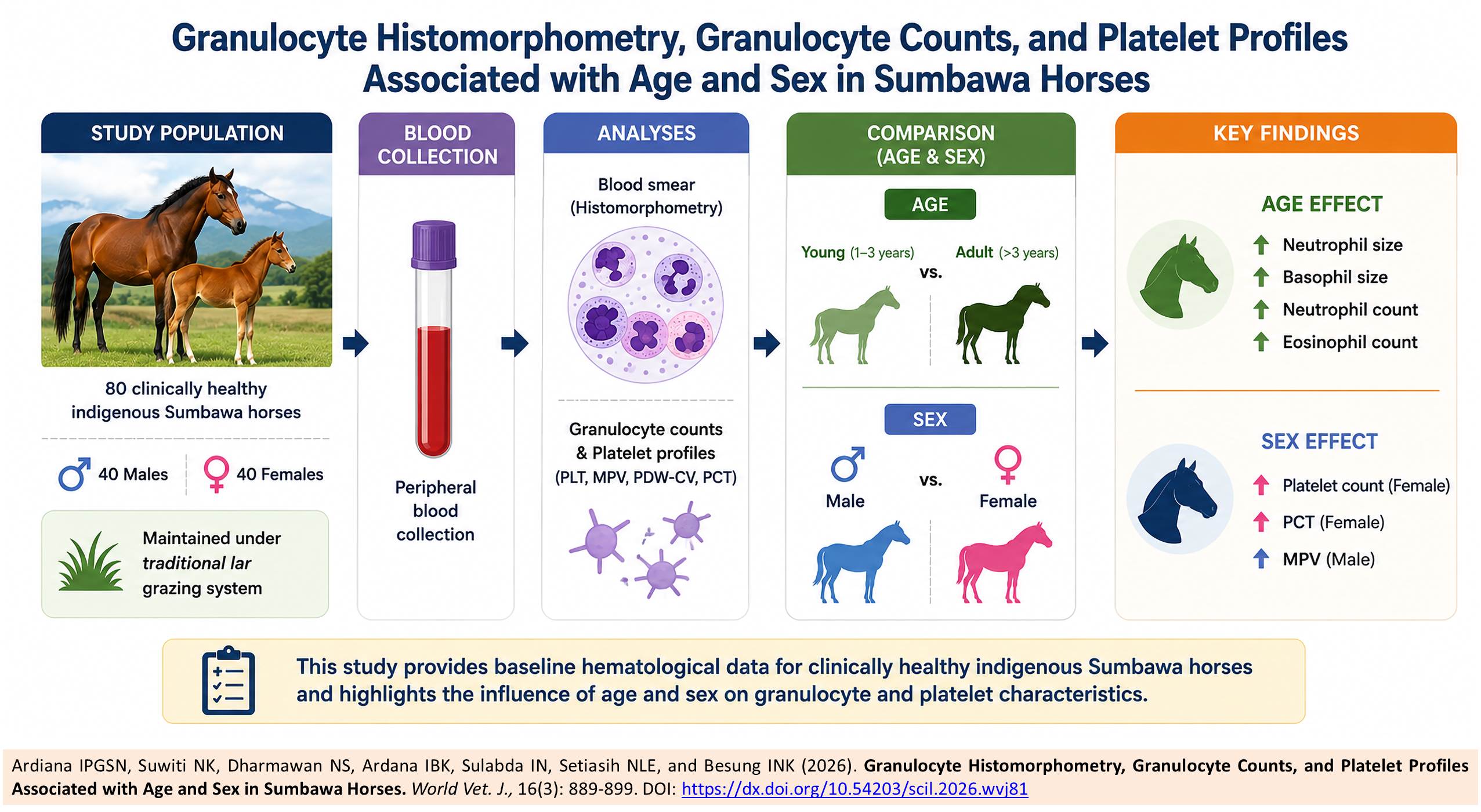
ABSTRACT: The Sumbawa horse (Equus caballus) is an indigenous Indonesian horse breed traditionally maintained under an extensive grazing system, characterized by unrestricted grazing and exposure to natural climatic conditions. This study aimed to evaluate granulocyte histomorphometry, granulocyte counts, and platelet profiles in clinically healthy indigenous Sumbawa horses in association with age and sex, providing baseline hematological data for this indigenous horse breed. A total of 80 clinically healthy indigenous Sumbawa horses meeting the predefined inclusion criteria were selected using purposive sampling and enrolled in this cross-sectional study. Peripheral blood smears were used for the histomorphometry evaluation of neutrophils, eosinophils, and basophils, whereas granulocyte counts, platelet counts, and platelet indices, including mean platelet volume (MPV), platelet distribution width (PDW-CV), and plateletcrit (PCT), were analyzed with an automated hematology analyzer. Sex had no significant effect on granulocyte histomorphometry or granulocyte counts. However, female horses exhibited significantly higher platelet counts and PCT values, whereas MPV was significantly higher in males. Adult horses exhibited significantly larger neutrophils and basophils, together with higher neutrophil and eosinophil counts. In contrast, platelet counts and platelet indices did not differ significantly between age groups. These findings indicated that granulocyte structural and quantitative characteristics are more responsive to age-related physiological adaptation, whereas platelet variation is predominantly associated with sex.
Keywords: Granulocyte count, Granulocyte histomorphometry, Platelet indices, Sumbawa horse, Sex
[Full text-PDF] [Crossref Metadata] [Scopus] [Export from ePrint]
 Research Paper
Serological Investigation of Antibodies Induced by Smooth and Rough Brucella Lipopolysaccharide in Sheep
|
|
Saytekin AM, Avcı H, Güllü Yücetepe A, Kiraly-Avcı E, Gül R, Metiner K, Aksoy AN, and Erdenliğ Gürbilek S.
World Vet. J. 16(3): 900-908, 2026; pii:S232245682600082-16
DOI: https://dx.doi.org/10.54203/scil.2026.wvj82
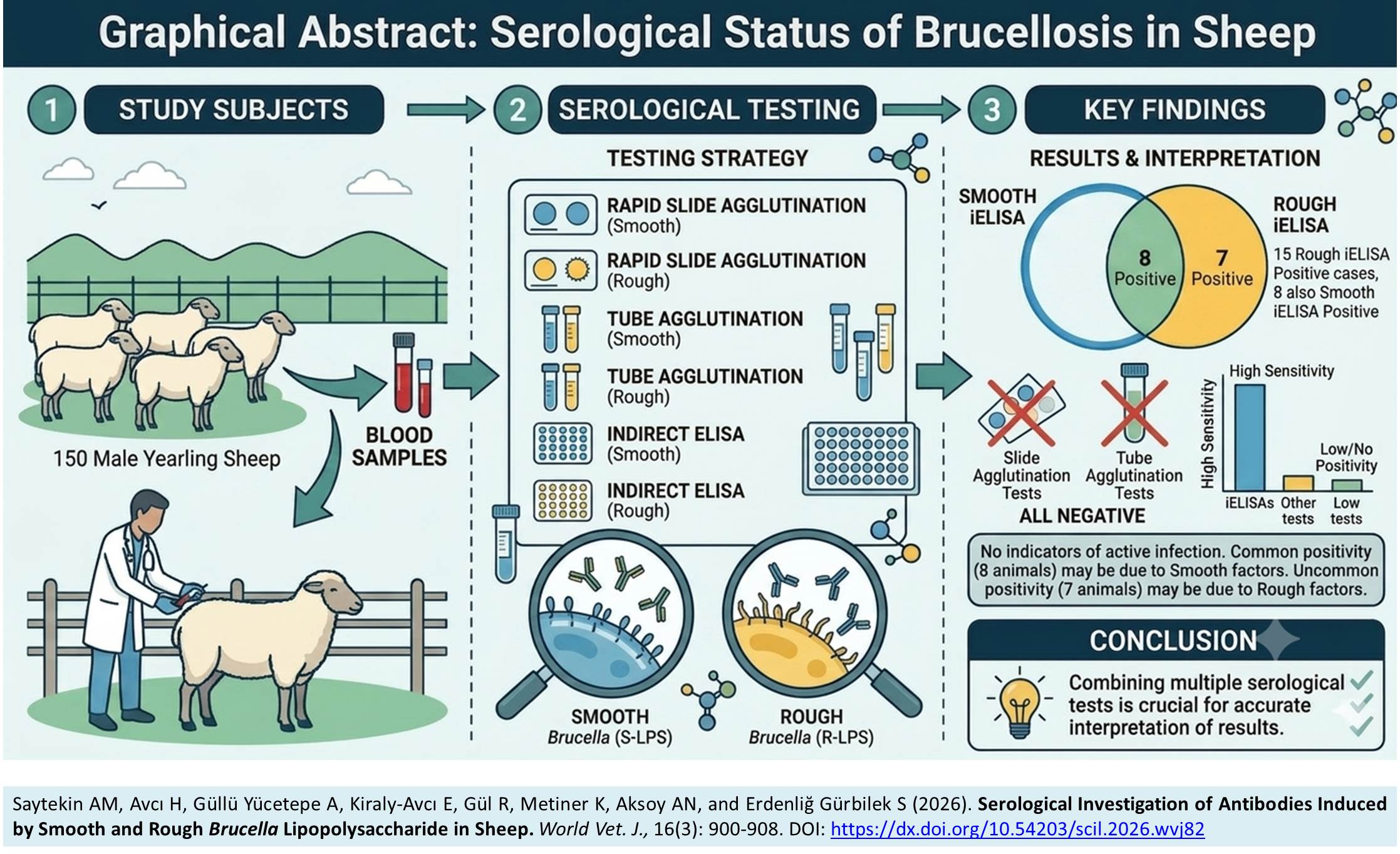
ABSTRACT: Different Brucella species, characterized by smooth and rough cell walls, are recognized as etiological agents of ovine brucellosis. While serological studies in adult and older sheep are common, those on the serological status of young animals are limited. The present study aimed to investigate brucellosis in sheep caused by smooth- and rough-walled Brucella species at two slaughterhouses in the Marmara Region of Turkey using serological methods. Three different analyses, including the rapid slide test, the tube agglutination test, and the indirect enzyme-linked immunosorbent assay (iELISA), each included smooth- and rough-structured Brucella antigens, resulting in a total of six separate tests. Blood sera were randomly obtained from 150 male sheep, approximately 1 year old and weighing about 70 kilograms, from the Merino, Kıvırcık, Lacauné, and Tahirova breeds. These sheep were brought to slaughterhouses from several provinces, including 25 from Tekirdağ, 45 from İstanbul, 43 from Kırklareli, 17 from Çanakkale, and 20 from Kocaeli. Using the rough iELISA, 15 positive cases (10%) were identified, of which eight were concurrently positive with the smooth iELISA. The low positivity rate and negative results from tube agglutination and rapid slide tests decreased the probability that the sheep had active brucellosis. Positive results for the same sample in both S-iELISA and R-iELISA tests may be linked to smooth LPSs, while positivity only in R-iELISA could be attributed to rough LPSs. Although no Brucella ovis or Brucella melitensis were found in the animals examined in the present study, the positive ELISA results suggested that brucellosis could have important epidemiological implications. Using two iELISA methods with smooth and rough LPS antigens concurrently enhanced the diagnostic sensitivity of indirect serological diagnosis of brucellosis.
Keywords: Brucellosis, Sheep, Slaughterhouse, Rough lipopolysaccharide, Smooth lipopolysaccharide
[Full text-PDF] [Crossref Metadata] [Scopus] [Export from ePrint]
Research Paper
The Implementation of Biosecurity Measures in Poultry Farms in Haut-Bassins Region, Burkina Faso
|
|
Dahourou LD, Bama BJW, Bako BIA, Wonou MCK, Savadogo M, and Traore A.
World Vet. J. 16(3): 909-917, 2026; pii:S232245682600083-16
DOI: https://dx.doi.org/10.54203/scil.2026.wvj83
ABSTRACT: Poultry farming is an important socio-economic sector in Burkina Faso. However, disease outbreaks can substantially impact livestock production, so appropriate preventive measures should be implemented. The present study aimed to assess the implementation of biosecurity measures in poultry farms in the Haut-Bassins Region, Burkina Faso. The present cross-sectional study included 79 poultry farms and used a validated questionnaire. Questions were asked of each poultry farmer through interviews, and farms were observed to verify the implementation of certain biosecurity measures, including the presence and quality of foot baths, the presence of stagnant water, the orientation of the buildings, and the presence of gates. The current results indicated that the majority of farms were managed by men (86.1%), and 45.6% of farmers had more than 10 years’ experience. Regarding farm capacity, 68.4% could house up to 10,000 poultry, and 64.6% of the reported farms had facilities that could accommodate more than 1,000 poultry. Over 59.5% of farms were located more than 300 meters away from the main road; however, 64.6% were located less than 500 meters from the nearest poultry farm. More than 97.5% of farms were enclosed by fences, and 87.3% of these fences were made from waterproof materials. On farms, 60.8% had functional footbaths, 11.4% produced poultry feed, and 92.4% were not protected against wild birds entering their airspaces. Most farms (97.5%) regularly cleaned and disinfected materials and equipment, but only 38% had suitable waste disposal practices, and 22.8% kept water waste outside the farm. The present study reported that 56.9% of farms implemented a satisfactory level of biosecurity. Farmers who attended poultry farming training were more likely to apply biosecurity practices on their farms. The present study delineated the application of biosecurity measures on farms and emphasized the importance of raising awareness about biosecurity among poultry farmers in the Haut-Bassins Region of Burkina Faso.
Keywords: Biosecurity, Implementation, Poultry farm, Survey, Questionnaire
[Full text-PDF] [Crossref Metadata] [Scopus] [Export from ePrint]
 Research Paper
Effects of Cinnamomum verum Supplementation on Physicochemical and Sensory Properties of Goat Milk Yogurt
|
|
Wanniatie V, Nurlatifah E, Loka NF, Ermawati R, Qisthon A, and Husni A.
World Vet. J. 16(3): 918-927, 2026; pii:S232245682600084-16
DOI: https://dx.doi.org/10.54203/scil.2026.wvj84
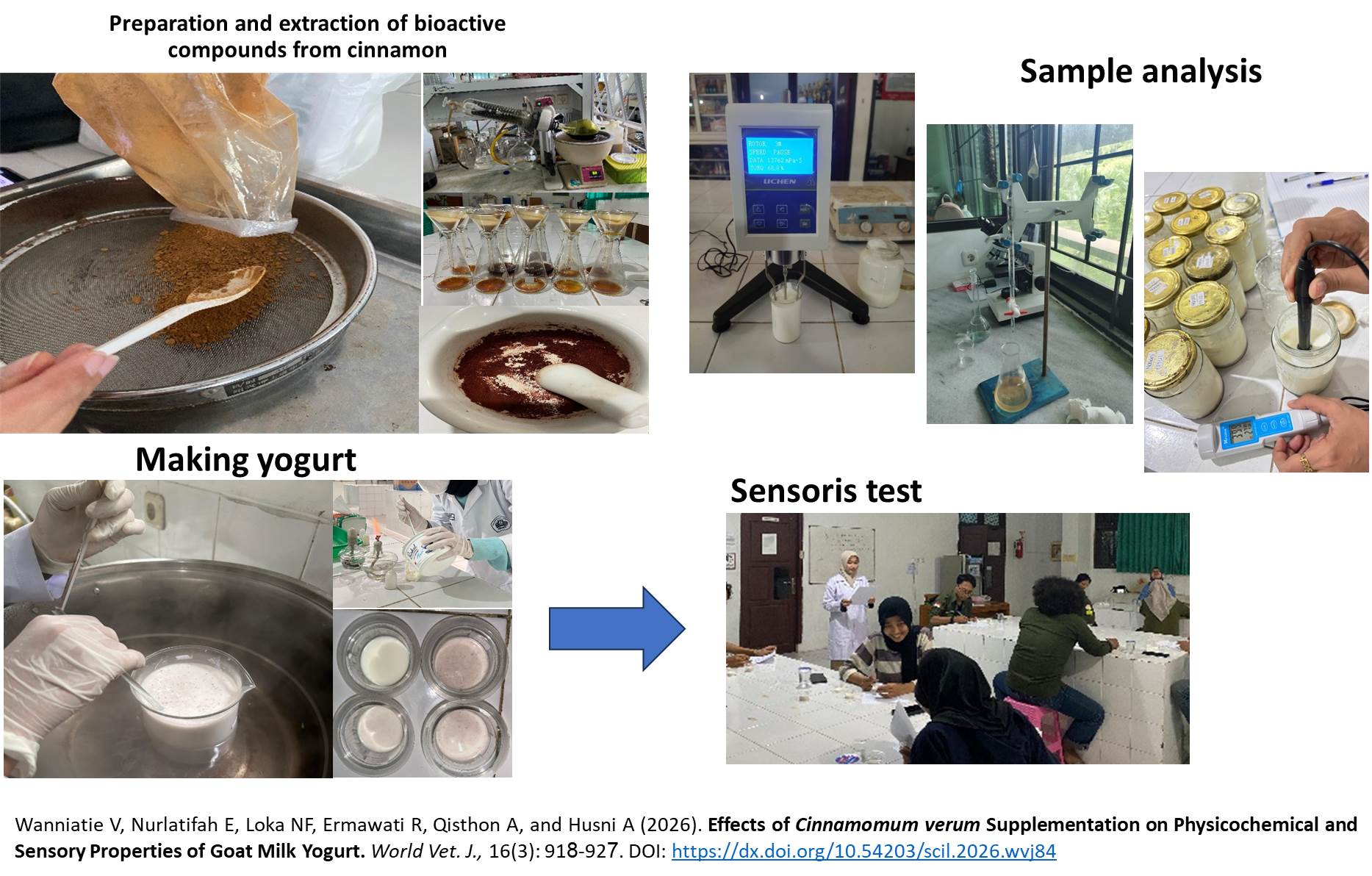
ABSTRACT: Yogurt made from goat's milk has a pungent odor that persists in the product. Cinnamon is high in cinnamaldehyde, a compound responsible for its sweet, slightly spicy flavor, distinctive aroma, and warming sensation, all of which can enhance the flavor of goat milk yogurt. The present study aimed to evaluate the physicochemical and sensory properties of goat milk yogurt products supplemented with cinnamon. A completely randomized design was employed, with five treatment groups and four replications for each. The control group included goat milk yogurt without cinnamon, and the remaining treatment groups included goat milk yogurt with cinnamon at concentrations of 0.1%, 0.2%, and 0.3%. The physicochemical characteristics, including fat content, moisture content, viscosity, pH, and acidity, as well as sensory attributes (color, aroma, taste, texture, and overall acceptability) were evaluated. The present results indicated that different cinnamon concentrations influenced the fat content, moisture level, and pH of the yogurt, but did not affect its acidity or viscosity. Sensory evaluation of the goat milk yogurt demonstrated that cinnamon addition impacted the yogurt’s color, aroma, taste, texture, and overall acceptability. The 0.2% cinnamon increased fat and pH levels, decreased moisture, and did not alter acidity or viscosity. The current findings suggest that 0.1% cinnamon enhanced the aroma of goat milk yogurt without reducing acceptability, whereas higher concentrations of cinnamon may be less favored.
Keywords: Cinnamon, Goat milk, Physicochemical, Sensory, Yogurt
[Full text-PDF] [Crossref Metadata] [Scopus] [Export from ePrint]
 Research Paper
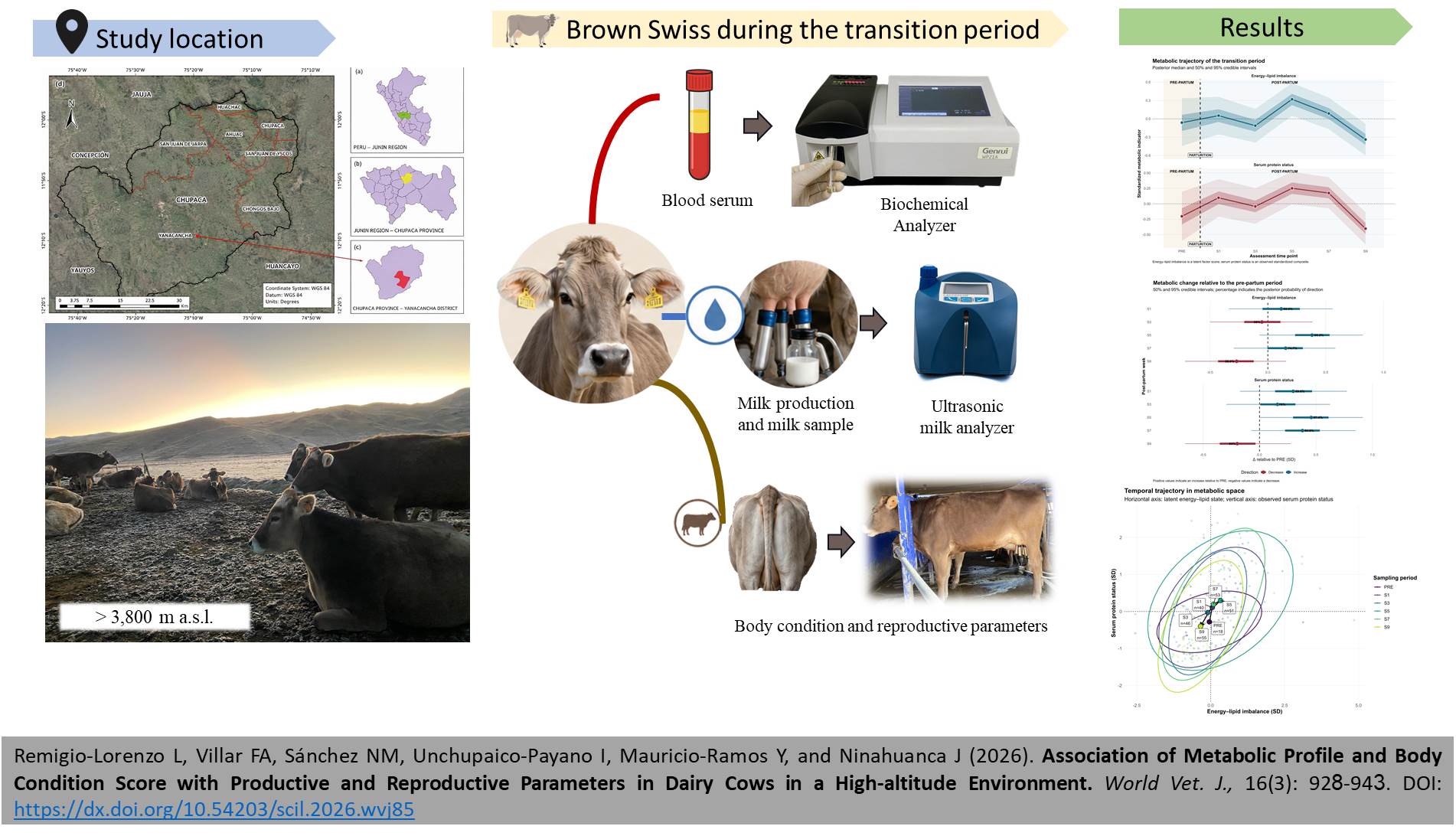
Association of Metabolic Profile and Body Condition Score with Productive and Reproductive Parameters in Dairy Cows in a High-altitude Environment
|
|
Remigio-Lorenzo L, Villar FA, Sánchez NM, Unchupaico-Payano I, Mauricio-Ramos Y, and Ninahuanca J.
World Vet. J. 16(3): 928-943, 2026; pii:S232245682600085-16
DOI: https://dx.doi.org/10.54203/scil.2026.wvj85
ABSTRACT: High-altitude environments impact metabolic adaptation during the transition from late gestation to early lactation, thereby affecting milk production, metabolic health, and reproductive recovery. The present study aimed to evaluate the associations between metabolic status and body condition with milk yield and composition, metabolic disorders, and reproductive intervals in Brown Swiss cows grazing in high-altitude areas. A prospective longitudinal observational study was conducted at a single production facility in Peru, located at an altitude of 3,829 meters above sea level. Sixty-one multiparous cows, approximately 5.5 to 7 years old, with 4 to 5 recorded calvings, had an average prepartum body weight of 692.4 ± 123.6 kilograms. These cows were monitored from 4 weeks before calving until 9 weeks postpartum. Metabolic adaptation during the transition period was evaluated prepartum and at postpartum weeks 1, 3, 5, 7, and 9. Levels of β-hydroxybutyrate, glucose, cholesterol, triglycerides, albumin, total protein, ionized calcium, body condition score, estimated body weight, milk yield and composition, and reproductive intervals were measured. Energy-lipid imbalance was determined by measuring β-hydroxybutyrate, glucose, cholesterol, and triglycerides, whereas serum protein levels were assessed by measuring albumin and total protein. Both integrated indicators, energy–lipid imbalance and serum protein status, demonstrated non-linear patterns, peaking at their highest posterior levels around postpartum week 5. Postpartum week had a greater impact on milk production and composition than the animals' metabolic status. The body condition score demonstrated the strongest association with ketosis, where a 1-standard-deviation increase was associated with lower odds of ketosis. Ketosis prevalence was highest at week 5 (19.6%), whereas hypocalcemia persisted as a common condition throughout the follow-up period. Higher serum protein levels were associated with a shorter calving-to-conception interval, although this finding was imprecise. The postpartum period was more strongly associated with milk production, whereas body condition was the most indicative measure of ketosis risk.
Keywords: Body condition score, Dairy cow, Ketosis, Milk yield, Postpartum period, Transition period
[Full text-PDF] [Crossref Metadata] [Scopus] [Export from ePrint]
 Research Paper
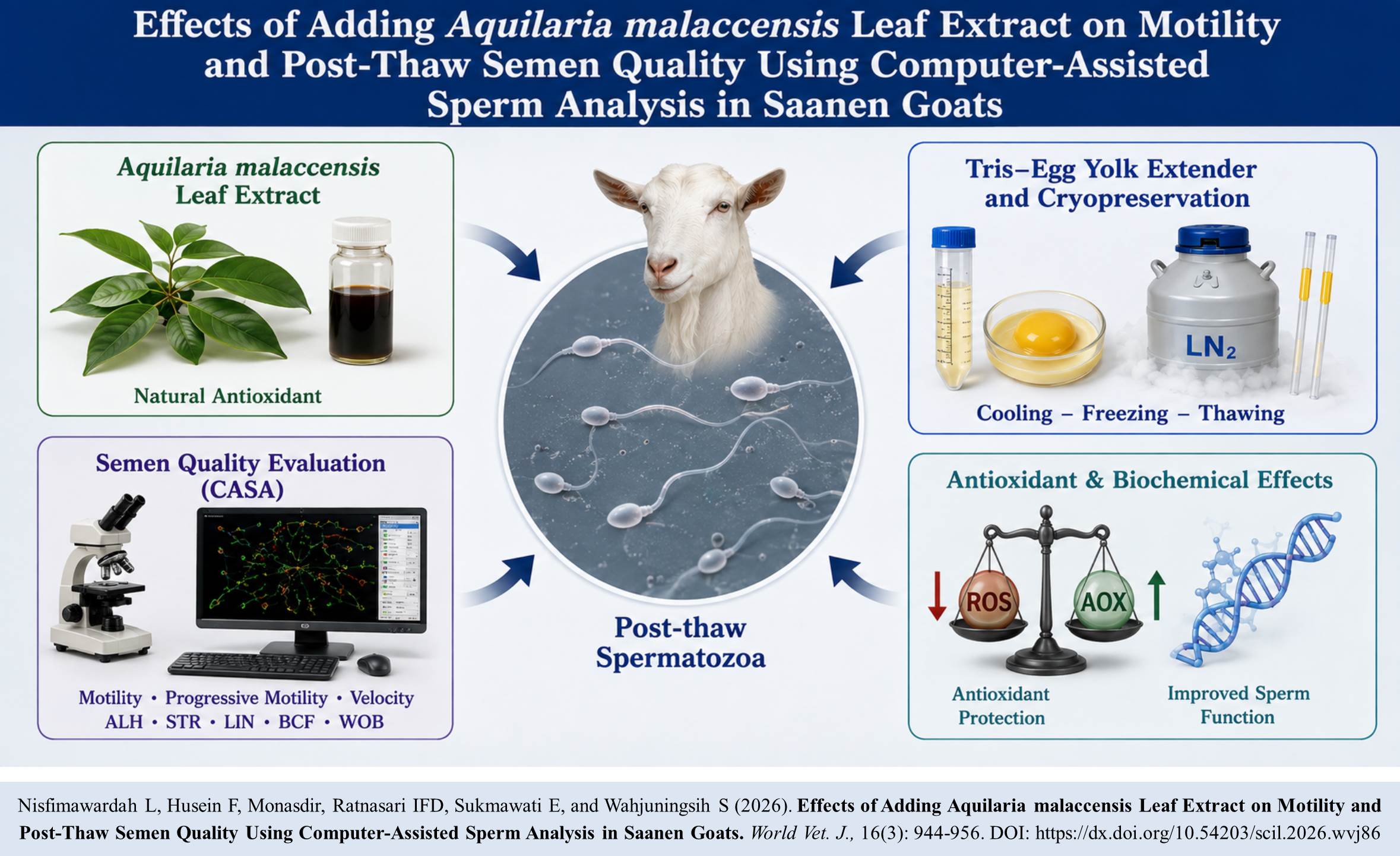
Effects of Adding Aquilaria malaccensis Leaf Extract on Motility and Post-Thaw Semen Quality Using Computer-Assisted Sperm Analysis in Saanen Goats
|
|
Nisfimawardah L, Husein F, Monasdir, Ratnasari IFD, Sukmawati E, and Wahjuningsih S.
World Vet. J. 16(3): 944-956, 2026; pii:S232245682600086-16
DOI: https://dx.doi.org/10.54203/scil.2026.wvj86
ABSTRACT: The quality of frozen semen from Saanen goats plays a vital role in the success of artificial insemination. The present study aimed to evaluate the effects of different semen diluents on post-thaw semen quality and sperm kinematic parameters using computer-assisted sperm analysis (CASA). Fresh semen samples were obtained from two 3-4-year-old Saanen goats, weighing 64 kilograms and 92 kilograms, with an average fresh motility of 80%. Semen quality was assessed under a microscope, focusing on motility, viability, abnormalities, concentration, and total motile spermatozoa. In the current laboratory experiment, five treatment groups were used with 10 replicates. The first group served as the negative control and consisted of tris-egg yolk without Aquilaria malaccensis leaf extract, the second group contained tris-egg yolk with 0.10 mg of Aquilaria malaccensis leaf extract, the third group consisted of tris-egg yolk with 0.15 mg of Aquilaria malaccensis leaf extract, the fourth group contained tris-egg yolk with 0.20 mg of Aquilaria malaccensis leaf extract, and the fifth group received the AndroMed® (positive control). The present results indicated that the use of different diluents had a significant effect on post-thawing semen quality, including motility, progressive motility, average path distance, curved line distance, straight line distance, average path velocity, straight line velocity, curvilinear velocity, amplitude of lateral head, beatcross frequency, and wobble. However, there was no significant difference in post-thawing semen quality in terms of individual motility, viability, abnormalities, concentration, total motile spermatozoa, straightness, and linearity. The use of tris-egg yolk diluents supplemented with Aquilaria malaccensis leaf extract at a concentration of 0.10 mg and AndroMed® indicated that the highest results among all treatments were demonstrated by the highest post-thaw semen quality.
Keywords: Antioxidant, Aquilaria malaccensis, Sperm kinematic, Saanen goat
[Full text-PDF] [Crossref Metadata] [Scopus ID: ] [Export from ePrint]
 Research Paper
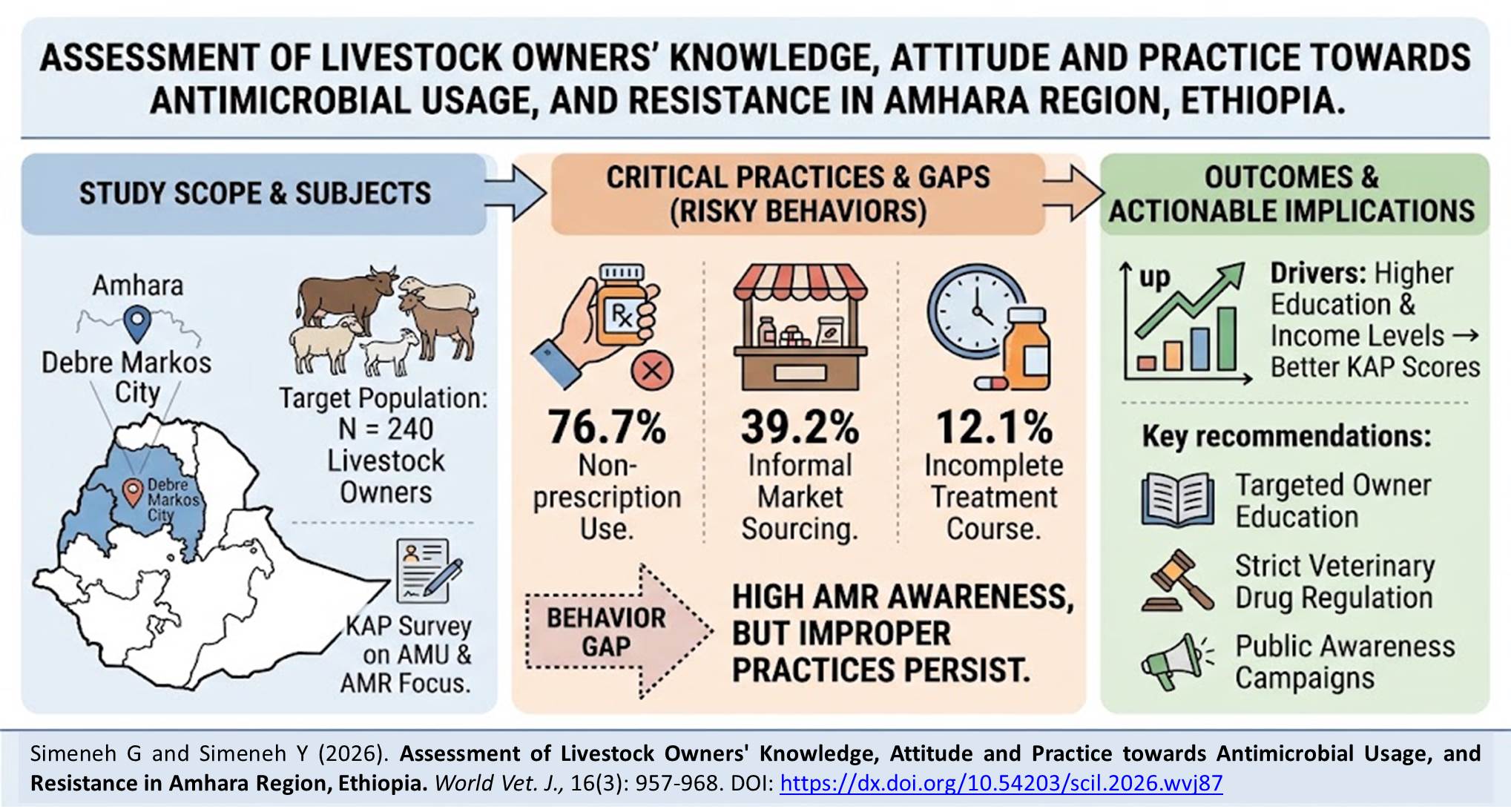
Assessment of Livestock Owners' Knowledge, Attitude and Practice towards Antimicrobial Usage, and Resistance in Amhara Region, Ethiopia
|
|
Simeneh G and Simeneh Y.
World Vet. J. 16(3): 957-968, 2026; pii:S232245682600087-16
DOI: https://dx.doi.org/10.54203/scil.2026.wvj87
ABSTRACT: Antibiotic resistance is a major concern for humans and animals, especially in less developed countries such as Ethiopia. Livestock owners often misuse antibiotics, use incorrect doses, and ignore instructions for proper medication use. The present study aimed to evaluate the knowledge, attitudes, and practices regarding antimicrobial use (AMU) and antimicrobial resistance (AMR) in Ethiopia. A cross-sectional study was conducted to assess livestock owners' knowledge, attitudes, and practices (KAP) regarding antibiotic use, antibiotic residues, and antibiotic resistance in Ethiopia. Structured interviews were conducted with eligible participants to gather insights on their perceptions and self-reported practices related to AMU and AMR. A survey involving 240 livestock owners assessed their backgrounds, knowledge, attitudes, and practices. Among the livestock owners, 84.6% were men, 36.2% had only completed primary education, and 88.8% were aware of AMR and AMU. Antimicrobial use and AMR were not comprehended by 58.8% of respondents. A significant number of respondents mistakenly believed that antibiotics were effective against viral infections. Additionally, 76.7% of respondents reported consuming animal-derived products at home from animals treated with over-the-counter medications without observing the recommended withdrawal periods, even though 75% of respondents were aware of the antibiotic withdrawal periods for ill animals. In the present study, 47.9% of respondents reported giving antibiotics to their animals in the past month, primarily for illness prevention or treatment. There was a significant association across KAP scores and gender, education, income, and farming experience. Although livestock owners have adequate knowledge and positive attitudes toward antibiotic use, many still engage in practices that may contribute to AMR.
Keywords: Antimicrobial use, Antimicrobial resistance, Drug residue, Livestock owner, Veterinary
[Full text-PDF] [Crossref Metadata] [Scopus] [Export from ePrint]
Previous issue | Next issue | Archive
 This work is licensed under a Creative Commons Attribution 4.0 International License (CC BY 4.0).