 |
|  |
| 
Previous issue | Next issue | Archive
 Volume 16 (1); March 2026 [Booklet] [EndNote XML for Agris]
 Research Paper
Evaluation of Copepods as an Alternative Feeding Strategy in Semi-Intensive Culture of Pacific White Shrimp (Litopenaeus vannamei)
|
|
Nurhudah M, Rahayu TH, Yanti LKW, Rahardjo S, Nuraini Y, Marlina E, Margono, Umidayati, Kiswanto A, Abrori M, Fitriadi R, and Ihtifazhuddin MI.
World Vet. J. 16(1): 01-20, 2026; pii:S232245682600001-16
DOI: https://dx.doi.org/10.54203/scil.2026.wvj1
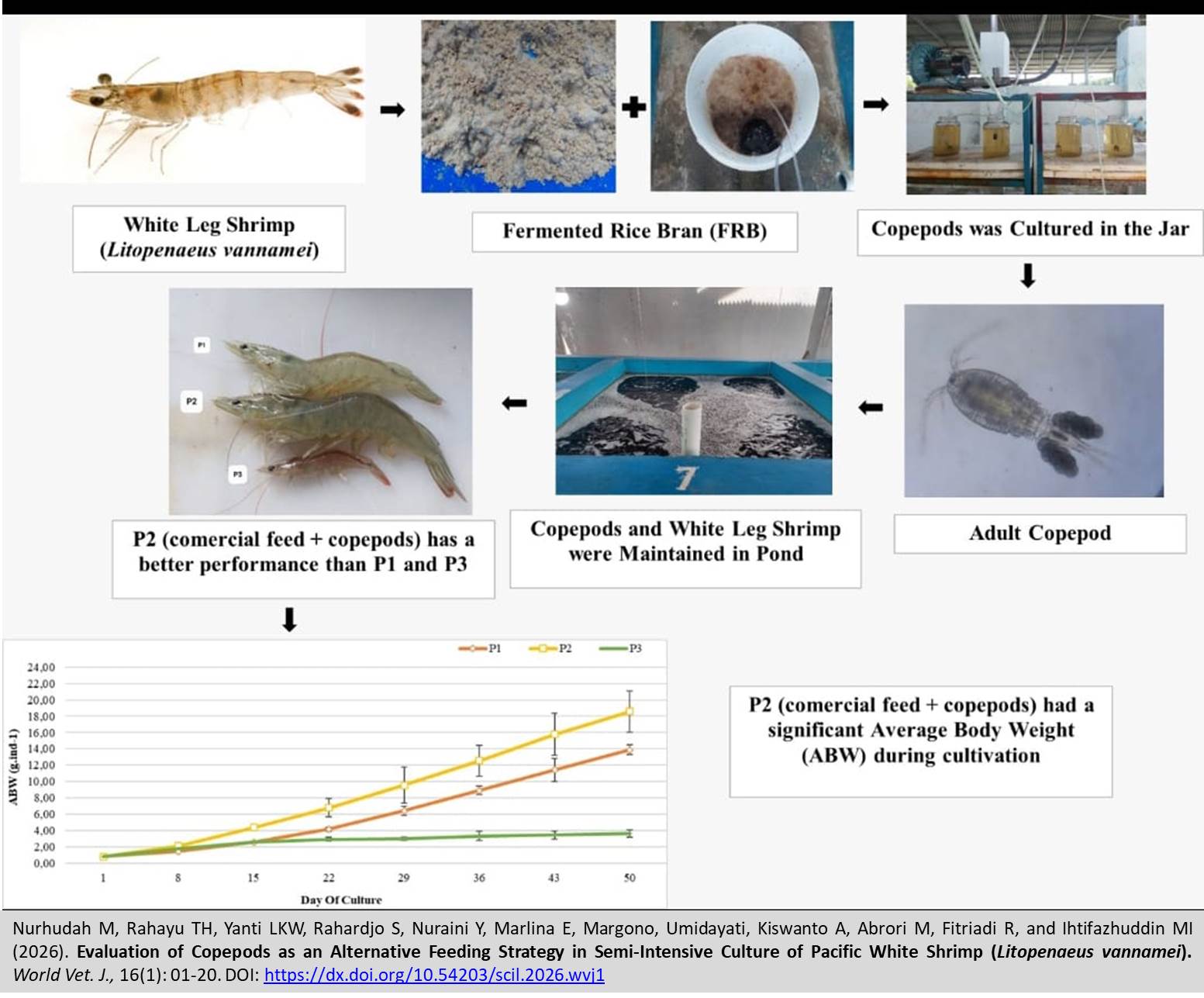
ABSTRACT: Indonesia is the fourth-largest global shrimp exporter but faces higher production costs than Ecuador. Using copepods in semi-intensive farming offers a potential solution, as their high content of eicosapentaenoic acid (EPA) and docosahexaenoic acid (DHA) can enhance shrimp growth and efficiency. The present study aimed to evaluate the effects of copepods as a live-feed supplement on growth and feed efficiency of vannamei shrimp (Litopenaeus vannamei) in the semi-intensive culture. A completely randomized design was established with three treatment groups and three replications. A total of 315 post-larvae Litopenaeus vannamei were kept at a density of 35 shrimp per tank, with each tank measuring 1.3 × 1.3 × 0.73 m3 during a 50-day cultivation period. The treatment groups included a commercial feed-only control group (P1), a commercial feed with copepods inclusion (P2), and a copepods-only group (P3). The growth (absolute daily growth, absolute body weight, absolute weight/length), feed efficiency, hepatopancreas histopathology, proximate composition, and water quality (temperature, salinity, pH, dissolved oxygen, total dissolved solids, alkalinity, total ammonia nitrogen, total organic matter, total bacteria count, total vibrio count) were assessed. The current results indicated that P2 achieved the highest growth performance among the treatment groups. Furthermore, P2 provided higher nutritional value for protein and fat than P1 and P3, showing the healthiest tissue structure, mild atrophy, and sloughing, with the lowest hemocyte infiltration, supporting improved epithelial health. Water quality remained within or approximately within the recommended ranges. Therefore, combining copepods with commercial feed improved growth, survival, and feed efficiency compared with using either copepods or commercial feed alone.
Keywords: Copepod, Shrimp growth, Vanname shrimp, Water quality
[Full text-PDF] [Crossref Metadata] [Scopus] [Export from ePrint]
 Research Paper
The Effect of a Mixture of Amino Acids and Endogenous Lipids on in vitro Oocyte Maturation of Cows
|
|
Gutnisky C, Gagneten P, Martinez S, Gadze T, Breininger E, and Cetica P.
World Vet. J. 16(1): 21-31, 2026; pii:S232245682600002-16
DOI: https://dx.doi.org/10.54203/scil.2026.wvj2
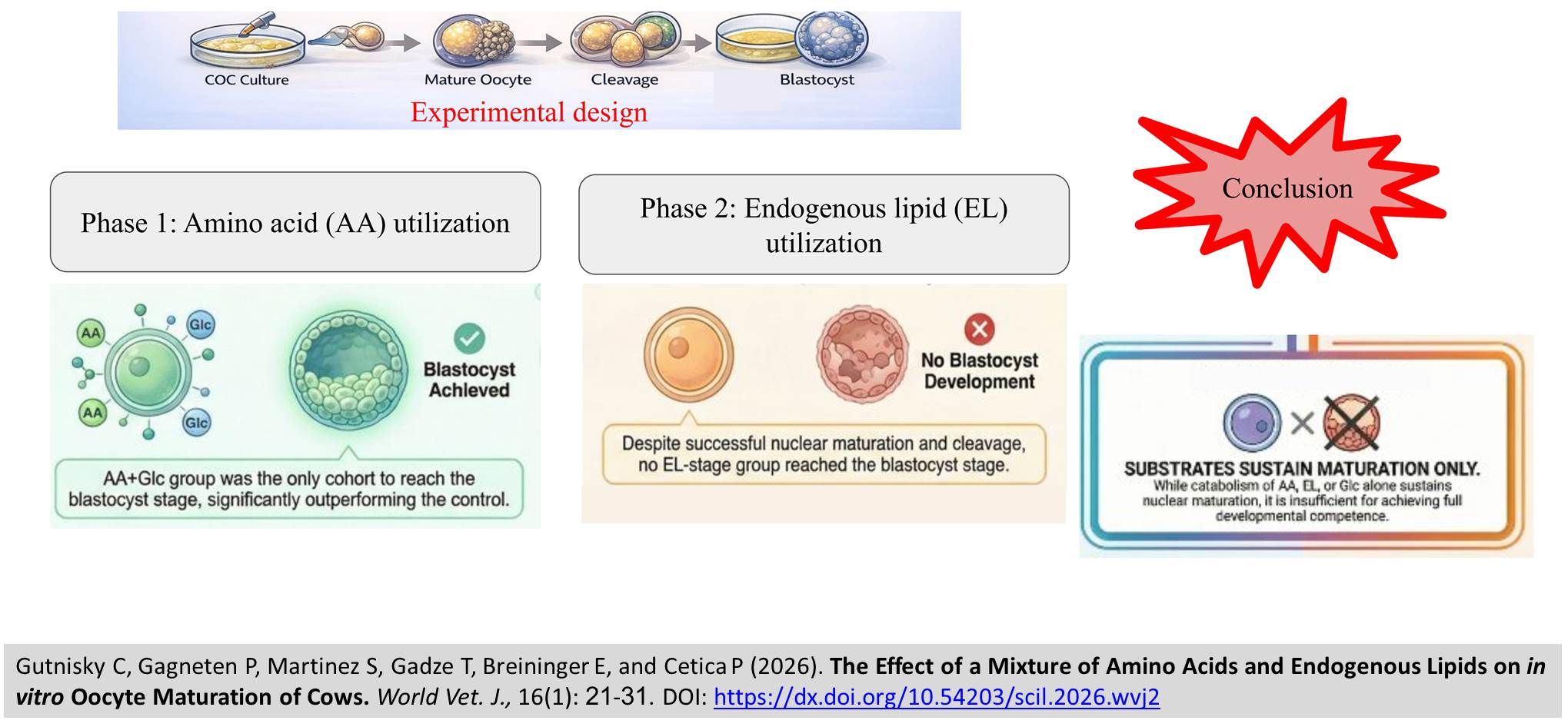
ABSTRACT: Understanding the effects of amino acid (AA) and endogenous lipid (EL) metabolism during in vitro oocyte maturation is important; however, most studies use undefined routine maturation media supplemented with glucose or an oxidative agent. The present study was conducted in two phases, with each phase consisting of two stages, and aimed to use supplemented AA (a mix of the 20 amino acids and glutamine) or EL (triacylglycerols) as unique oxidative substrates for oocytes during in vitro maturation (IVM) to understand the oocyte requirements during maturation. Cumulus-oocyte complexes (COCs) obtained from slaughtered Aberdeen Angus cows were matured in five groups to evaluate AA utilization and in the other five groups to evaluate EL utilization. The COCs were incubated in a defined medium either without oxidative substrates (negative control) or supplemented with AA, AA and salicylate as deamination inhibitor, AA and glucose (Glc), and Glc alone (positive control) to evaluate AA catabolism. To assess EL utilization, COCs were cultured with L-carnitine (β-oxidation activator), etomoxir (β-oxidation inhibitor), L-carnitine with Glc, Glc alone (positive control), and without oxidative substrates (negative control). Nuclear maturation, ammonia production, and oocyte lipid content were evaluated after maturation. Cleavage and blastocyst rates were assessed at 48 hours and seven days after fertilization. The results indicated that oocytes matured in media with AA and Glc (51% and 52%, respectively) or AA with salicylate (38%) had higher nuclear maturation rates than the control group (11.76 %), and a synergistic effect was observed in the group supplemented with AA and Glc (70 %). When AA was added to the maturation media as a unique oxidative substrate, ammonia production increased, while embryo development was observed only in the AA and Glc-supplemented group. Media with Glc (68 %) or L-carnitine with Glc (61%) increased the nuclear maturation. A higher lipid content was observed with Glc. Glc (63%) and L-carnitine with Glc (57.9%) increased cleavage rates compared with the other groups, but no group reached the blastocyst stage. Catabolism of AA, EL, or Glc alone served as an oxidative substrate and sustained bovine oocyte nuclear maturation, but they were insufficient to induce oocyte developmental competence.
Keywords: Amino acid, Endogenous lipid, Glucose, In vitro oocyte maturation, Nuclear maturation
[Full text-PDF] [Crossref Metadata] [Scopus] [Export from ePrint]
 Research Paper
The Effect of Temperature on Survival Rate of White leg Shrimp (Litopenaeus vannamei) Infected with Infectious Myonecrosis Virus
|
|
Za IFS, Zaidy AB, Sugama K, Hasan S, Fitriadi R, Ihtifazhuddin MI, Rahayu SYS, Mahariawan IDM, and kamaruddin.
World Vet. J. 16(1): 32-42, 2026; pii:S232245682600003-16
DOI: https://dx.doi.org/10.54203/scil.2026.wvj3
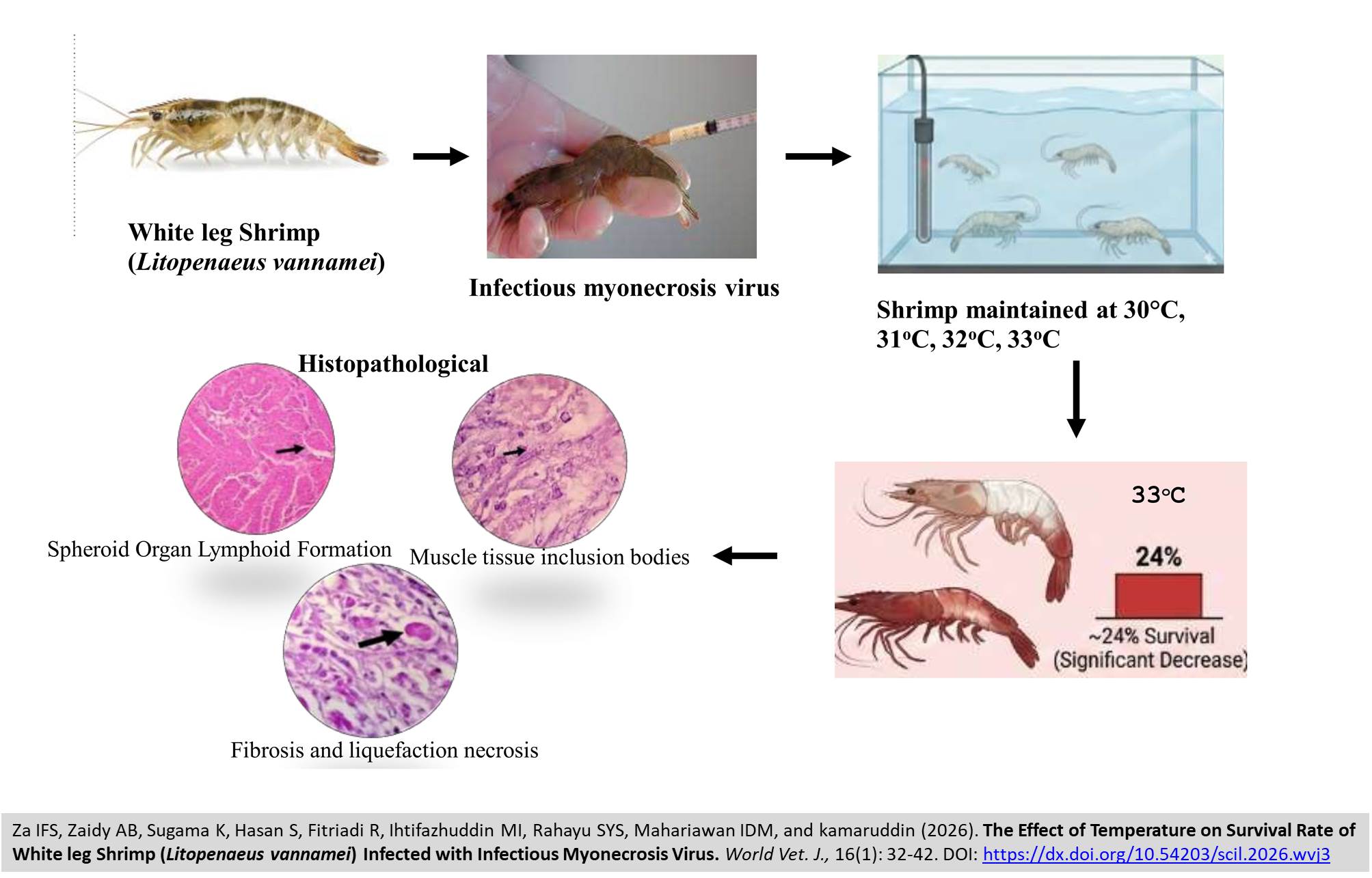
ABSTRACT: Infectious myonecrosis virus (IMNV) is a significant pathogen in shrimp aquaculture, causing high mortality. Environmental factors, particularly temperature fluctuations, are known to trigger IMNV outbreaks. The present study aimed to determine the effects of hyperthermia on the survival rate and incubation period of whiteleg shrimp (Litopenaeus vannamei) infected with IMNV. The present study utilized a completely randomized design with five treatment groups and three replications. Each replication consisted of 15 shrimp, with an average weight of 9.19 ± 0.58 grams, reared in 100 L plastic containers filled with seawater at 26 ppt salinity. The treatment groups consisted of shrimp infected with IMNV via intramuscular injection and reared at temperatures of 30°C (S30, positive control group), 31°C (S31), 32°C (S32), and 33°C (S33). Additionally, a negative control group of non-infected shrimp was reared at 30°C (Sk30). The observation period lasted 10 days post-infection. The present results demonstrated that hyperthermia significantly impacted shrimp mortality and viral incubation. The highest survival rate was observed in the control group at 97.78%. Among the infected groups, the highest survival rates were recorded in S30 (51.11%) and S31 (48.89%), whereas the lowest were in S32 (28.89%) and S33 (24.44%). In the S33 treatment, higher temperatures reduced the incubation period to 2 days, whereas in the S30 treatment, it lasted for 5 days. The current findings indicated that water temperatures of 32°C and 33°C act as environmental stressors, significantly reducing IMNV incubation period and increasing the risk of mortality in Litopenaeus vannamei shrimp.
Keywords: Hyperthermia, Infectious myonecrosis virus, Incubation period, Survival rate
[Full text-PDF] [Crossref Metadata] [Scopus] [Export from ePrint]
 Research Paper
Effects of Fermented Fish Waste and Meat-bone Scraps on Laying Performance and Profitability in Japanese Quail
|
|
Ramoso RF, Hebron IU, Taylaran RD, Alcantara CG, Gonzaga NR, Politud ERR, and Camay RM.
World Vet. J. 16(1): 43-53, 2026; pii:S232245682600004-16
DOI: https://dx.doi.org/10.54203/scil.2026.wvj4
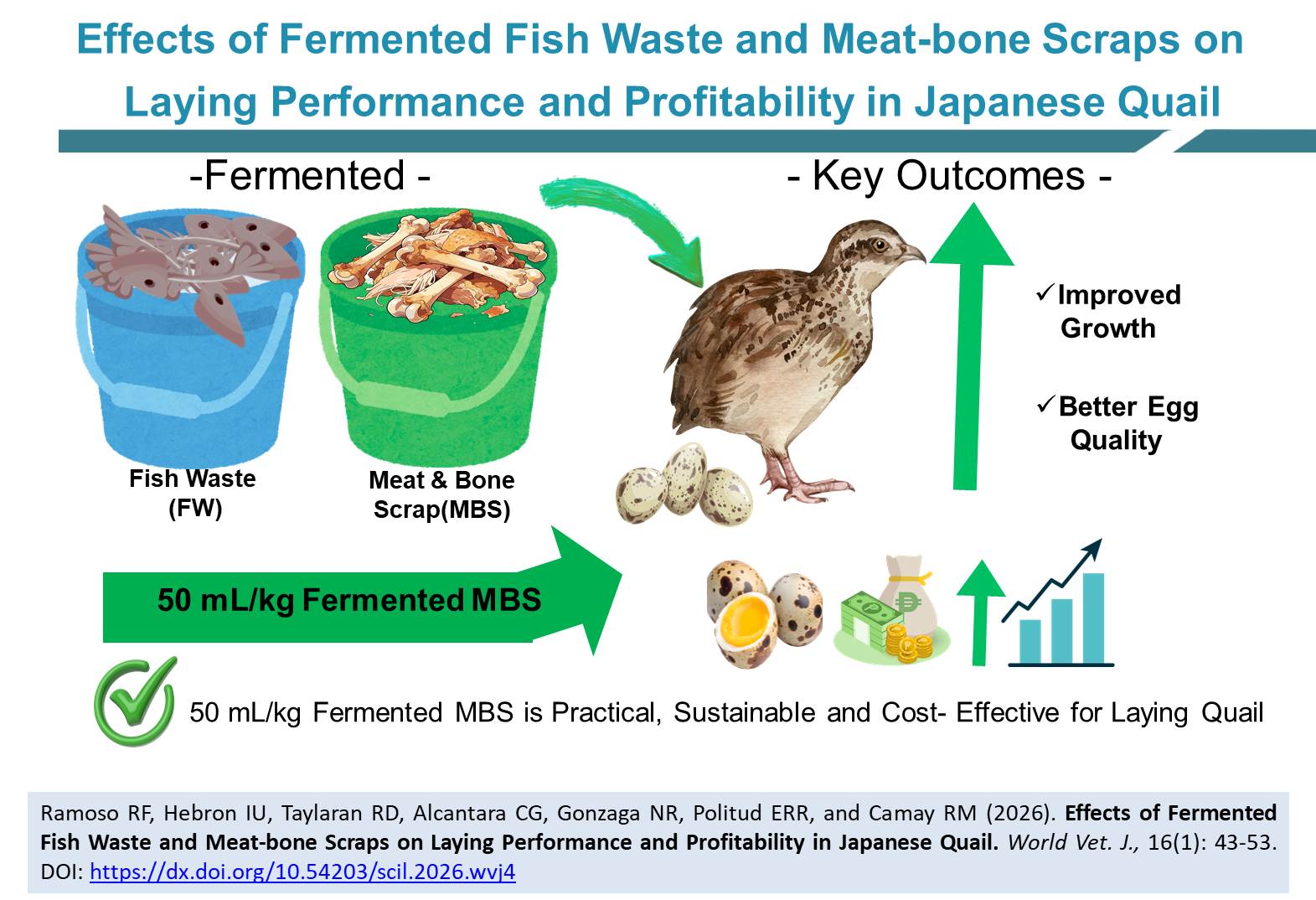
ABSTRACT: Calcium is essential for quail growth and eggshell formation, but commercial sources are expensive. The present study aimed to evaluate fermented fish waste (FW) and meat and bone scraps (MBS) as alternative calcium sources for Japanese quail, examining their effects on growth, reproduction, egg production and quality, and economic returns. A total of 240 female quail (120 ± 10 g at 35 days post-hatch) were randomly allocated to eight dietary treatments (n = 30) in a randomized complete block design with three replications (10 quails each), comprising a formulated calcium-deficient diet (0.8% Ca of dry matter [DM]), a standard layer diet (3.0% Ca DM), and six calcium-supplemented diets using fermented substrates (50 or 100 mL/kg, sprayed onto basal feed). The feeding trial lasted 85 days and evaluated growth performance, reproductive and productive traits, egg quality, and profitability. Mineral analysis of the fermented substrates showed that MBS contained significantly higher calcium than FW (14.86 versus 11.12 mg/kg), while phosphorus and iron levels were comparable. Growth performance differed significantly among treatments at 70 (mid-lay) and 120 (peak production) days post-hatch, with 50 mL MBS/kg producing the highest body weights (180.28 g at 70 days; 229.48 g at 120 days). Reproductive traits (age at first egg, age at sexual maturity, and body weight at maturity) were unaffected by dietary treatments. Production performance and egg quality improved significantly with calcium supplementation compared to the calcium-deficient control. At 120 days, 50 mL MBS yielded the highest hen-day production (96.82%), egg weight (10.83 g), and egg mass (41.94 g) compared to all other treatments, including the standard diet. Shell thickness and albumen height with 50 mL MBS significantly exceeded those of the calcium-deficient diet and matched or surpassed those of the standard diet at both measurement times. Economic analysis showed the highest return on investment for 50 mL MBS (68.69%), comparable to the standard diet (66.06%). These results demonstrate that 50 mL/kg fermented MBS provides a practical, sustainable, and cost-effective calcium source for laying quail, achieving optimal performance across growth, production, egg quality, and economic parameters under the conditions tested.
Keywords: Bone scrap, Calcium supplementation, Circular economy, Egg production, Egg quality, Fermented fish waste, Japanese quail
[Full text-PDF] [Crossref Metadata] [Scopus] [Export from ePrint]
 Research Paper
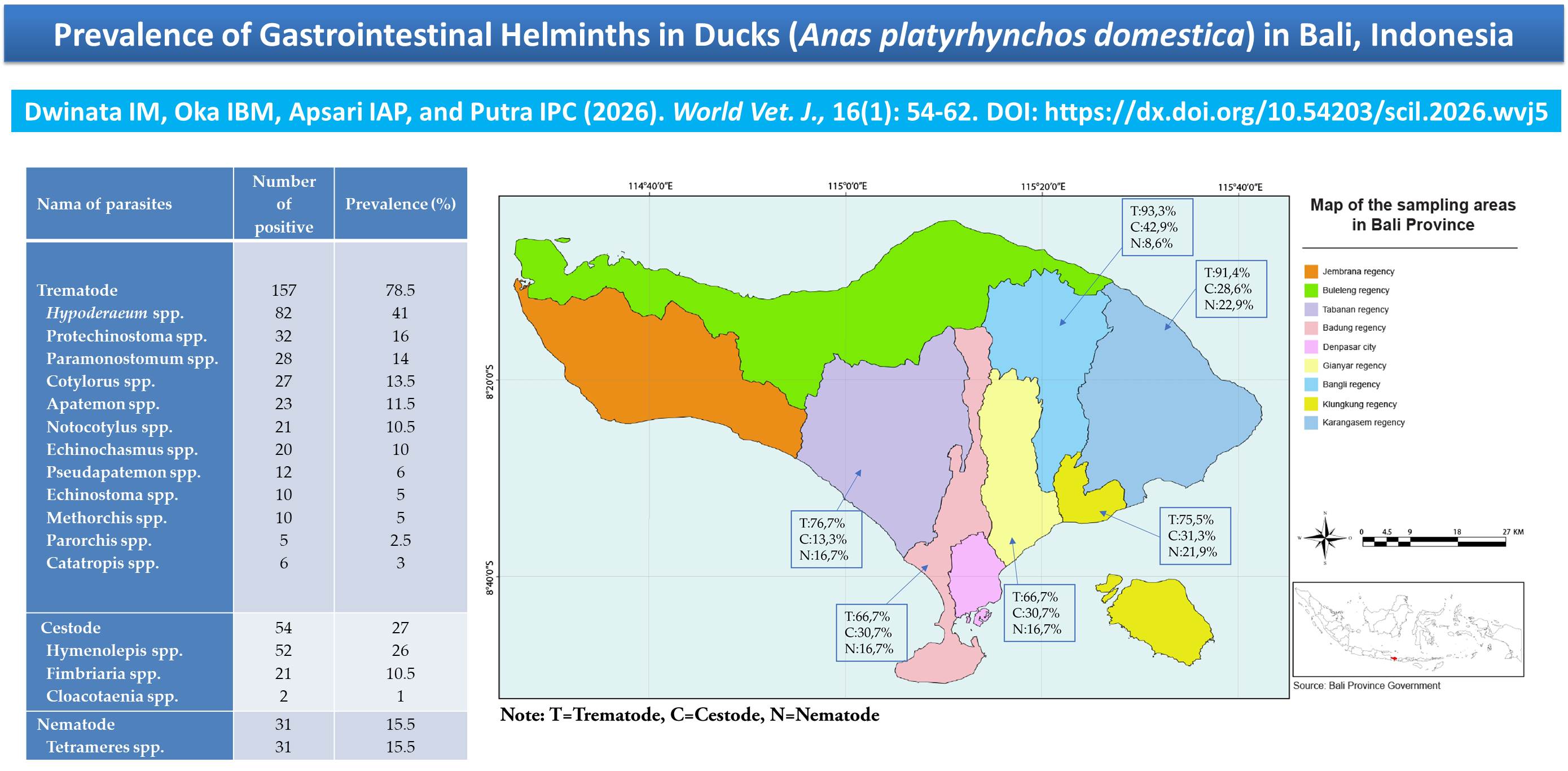
Prevalence of Gastrointestinal Helminths in Ducks (Anas platyrhynchos domestica) in Bali, Indonesia
|
|
Dwinata IM, Oka IBM, Apsari IAP, and Putra IPC.
World Vet. J. 16(1): 54-62, 2026; pii:S232245682600005-16
DOI: https://dx.doi.org/10.54203/scil.2026.wvj5
ABSTRACT: Helminth infections of the digestive tract in ducks (Anas platyrhynchos domestica) can cause significant economic losses, as they can lead to growth disorders, decreased egg production, and death in the case of severe infections. This study aimed to determine the prevalence and risk factors of digestive tract worms infecting ducks in Bali, Indonesia, through post-mortem examination. A total of 200 Balinese ducks (3–12 months) were examined post-mortem, obtained from six districts in the province of Bali using random sampling. The ducks were necropsied, and their digestive tracts and livers were sampled to identify the presence of the worms. The worms were collected and fixed in aceto-acetic-formalin-alcohol solution, stained with Carmine, and identified based on morphology. The relationship between the district origin, sex, and age of ducks and the infection of each helminth was analyzed using the chi-square test. The results showed that 83.5% (167/200) of ducks were infected with worms, consisting of 78.5% trematodes, 27% cestodes, and 15.5% nematodes. The identification of trematodes revealed 12 genera, including Hypoderaeum spp. (41%), Protechinostoma spp. (16%), Paramonostomum spp. (14%), Cotylorus spp. (13.5%), Apatemon spp. (11.5%), Notocotylus spp. (10.5%), Echinochasmus spp. (10%), Pseudapatemon spp. (6%), Echinostoma spp. (5%), Methorchis spp. (5%), Parorchis spp. (2.5%), and Catatropis spp. (3%). The cestodes found belonged to three genera, including Hymenolepis spp. (26%), Fimbriaria spp. (10.5%), and Cloacotaenia spp. (1%). The only nematode identified was Tetrameres spp., with a prevalence of 15.5%. The district of origin of the ducks was associated with trematode and cestode infections, whereas the age of the ducks was associated only with trematode infections. Based on these findings, this study documented the presence of 12 genera of trematodes, 3 cestodes and one nematode in ducks from Bali, Indonesia. Keywords: Bali, Cestode, Duck, Risk factor, Trematode
[Full text-PDF] [Crossref Metadata] [Scopus] [Export from ePrint]
 Research Paper
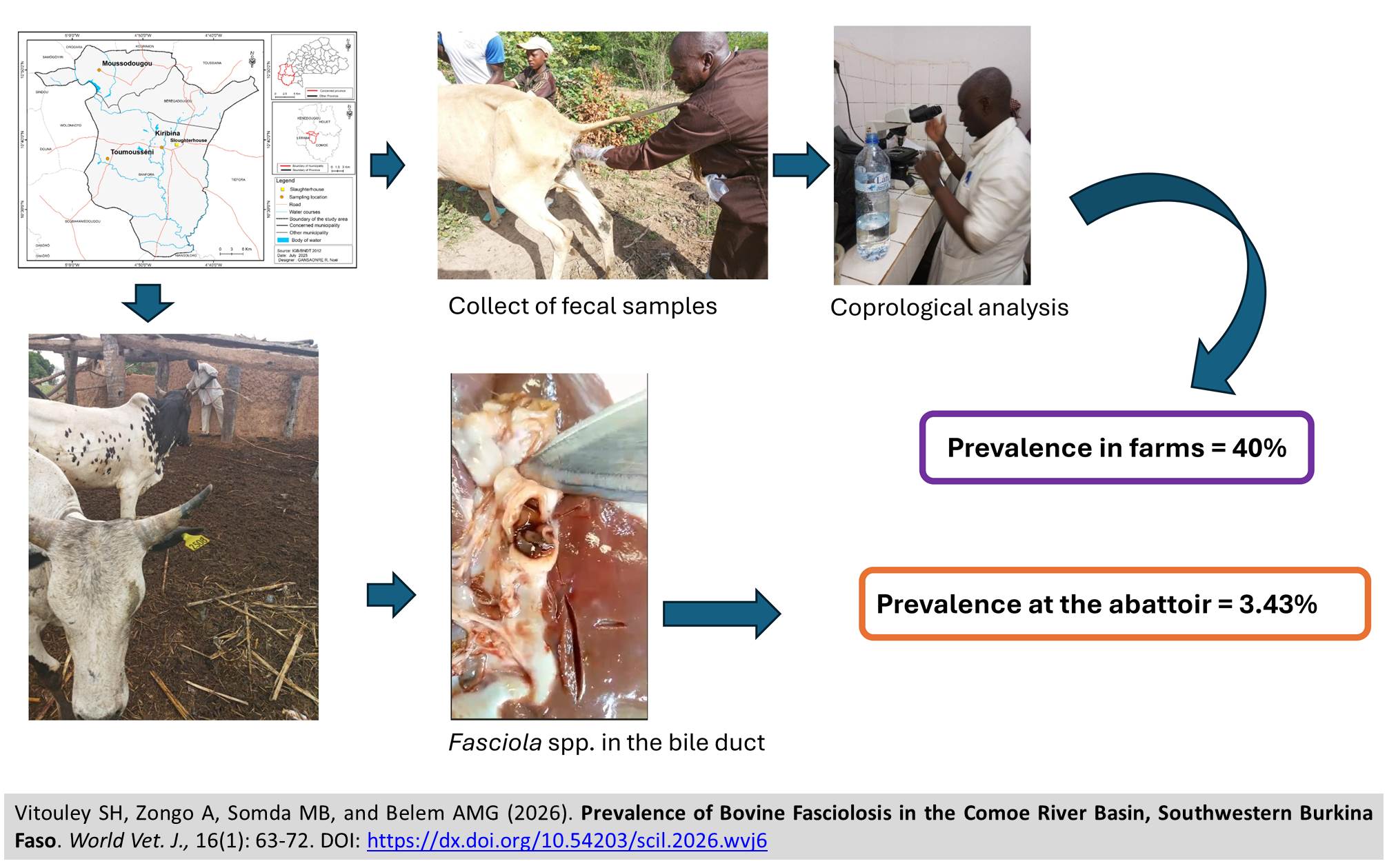
Prevalence of Bovine Fasciolosis in the Comoe River Basin, Southwestern Burkina Faso
|
|
Vitouley SH, Zongo A, Somda MB, and Belem AMG.
World Vet. J. 16(1): 63-72, 2026; pii:S232245682600006-16
DOI: https://dx.doi.org/10.54203/scil.2026.wvj6
ABSTRACT: Fasciolosis is considered a rising zoonotic infection and remains one of the main neglected tropical diseases. The present study aimed to determine the prevalence of bovine fasciolosis in the Comoé province of southwest Burkina Faso. A cross-sectional study was conducted in three villages of the Comoé River in the Cascades region of Burkina Faso. A total of 100 zebu cattle (Bos indicus), aged between 6 and 24 months and of both sexes (excluding pregnant animals), from nine farms across three villages were randomly selected and sampled. The presence or absence of Fasciola spp. eggs in relation to the animals’ sex and origin were evaluated in the selected samples. Fecal samples were collected from each bovine rectum in a tight plastic bag, kept at +4°C, and transferred to the laboratory of the International Research and Development Center on Livestock Farming in Sub-humid Areas (CIRDES) based in Bobo-Dioulasso, Burkina Faso, for subsequent analysis. Fasciola spp. eggs were detected in fecal samples using the Malan and Visser fecal egg counting method. The present study was conducted through a systematic examination of 4,992 bovine livers (including zebu and crossbred animals, both sexes, aged 2-4 years) collected over one year at the abattoir in Banfora, the capital of Comoé Province, Burkina Faso. At the slaughterhouse, the liver flukes were identified by size and morphology. According to the results, 40% of the fecal samples were positive for Fasciola spp. infection. There was no statistically significant difference between males and females. Fasciola gigantica was detected in only 3.43% of the examined livers. Fasciolosis was found to be affected by season and sex, with higher rates in the rainy season and among females at the abattoir, Burkina Faso. The current findings confirmed the endemic presence of bovine fasciolosis in Comoé Province, characterized by a high prevalence in farms (40%) and a low rate of adult Fasciola gigantica infection in slaughtered cattle livers (3.43%).
Keywords: Bovine, Egg, Fasciola, Fecal sample, Fluke, Liver
[Full text-PDF] [Crossref Metadata] [Scopus] [Export from ePrint]
 Research Paper
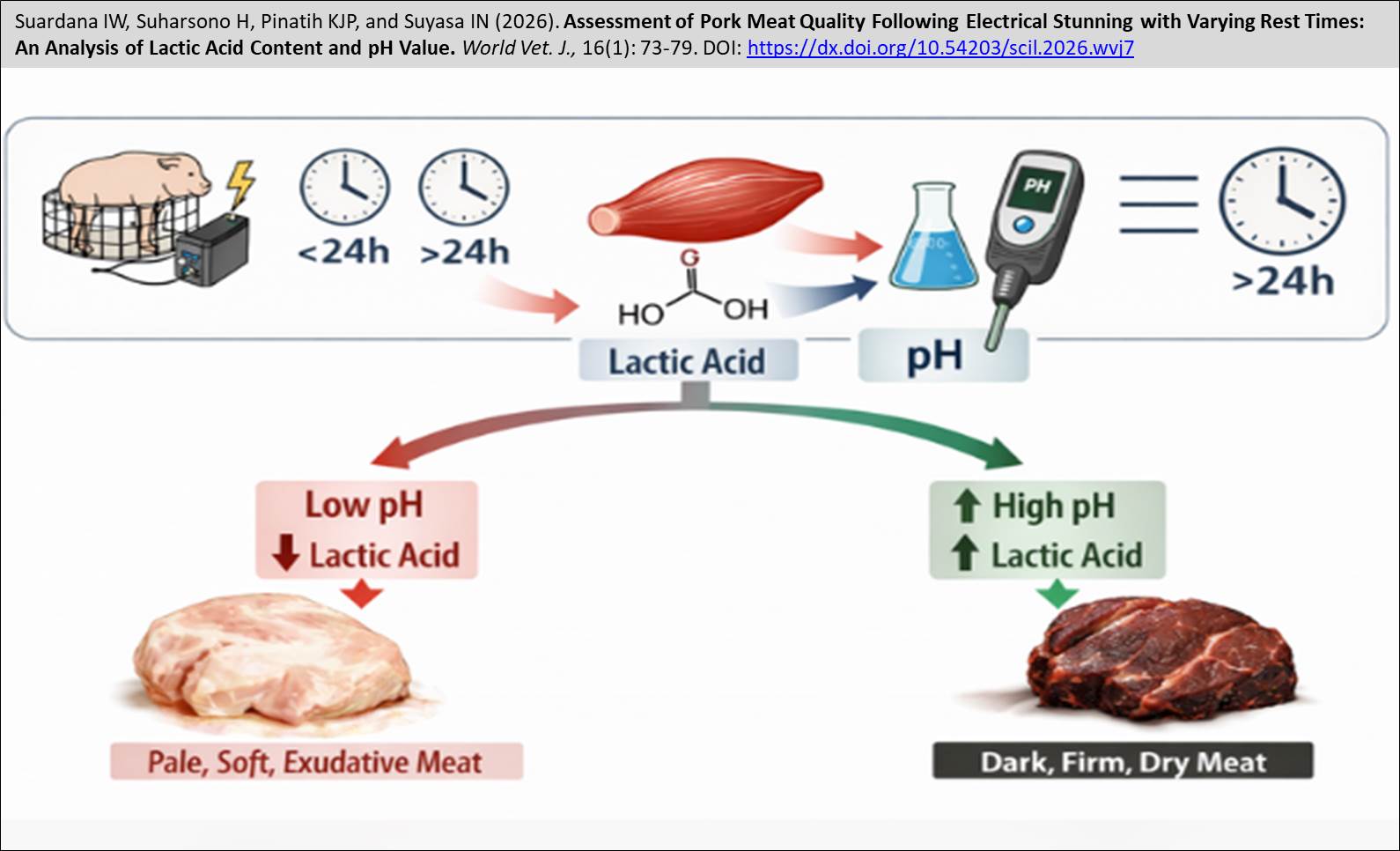
Assessment of Pork Meat Quality Following Electrical Stunning with Varying Rest Times: An Analysis of Lactic Acid Content and pH Value
|
|
Suardana IW, Suharsono H, Pinatih KJP, and Suyasa IN.
World Vet. J. 16(1): 73-79, 2026; pii:S232245682600007-16
DOI: https://dx.doi.org/10.54203/scil.2026.wvj7
ABSTRACT: The quality of pork is closely linked to the stress animals experience before slaughter. Implementing practices that ensure adequate rest and minimize stress in animals before slaughter can play a vital role in enhancing meat quality. The present study aimed to evaluate pork quality following electrical stunning with differing rest periods. A total of 24 landrace pigs, aged 5 to 7 months, were randomly assigned to four treatment groups, including pigs with no stunning and a rest period of 24 hours or more (P1), pigs with no stunning and a rest period of less than 24 hours (P2), pigs subjected to electric stunning with a rest of 24 hours or more (P3), and pigs subjected to electric stunning with a rest of less than 24 hours (P4). Muscle glycogen levels were measured using a L-lactic acid colorimetric assay kit, and pH was assessed using established methods. The present results indicated that lactic acid concentrations in pigs that rested for more than 24 hours were higher than those in pigs that rested for less than 24 hours. Lactic acid levels in the control group (without stunning) for a rest period of more than 24 hours were 2,197 ± 0.388 mmol/g protein, higher than in pigs with a rest period of less than 24 hours. Similarly, in pigs subjected to electric stunning, lactic acid levels during a rest period of more than 24 hours were 2,057 ± 0.391 mmol/g protein, higher than those in pigs with a rest period of less than 24 hours (1.622 ± 0.543 mmol/g protein). Meanwhile, pH was higher in P1 (6.04 ± 0.16) than in P2 (5.99 ± 0.14). However, pH in P4 (6.01 ± 0.45) was slightly higher than that in P3 (5.84 ± 0.21). Electrical stunning reduced muscle lactic acid levels and pH. Conversely, providing pigs with a longer rest period (> 24 hours) before slaughter has been associated with higher muscle lactic acid levels. Therefore, it is recommended to combine electrical stunning with sufficient rest periods (over 24 hours) and to keep the pigs in a spacious area before slaughter.
Keywords: Lactic acid, Meat quality, pH, Resting time, Stunning
[Full text-PDF] [Crossref Metadata] [Scopus] [Export from ePrint]
 Research Paper
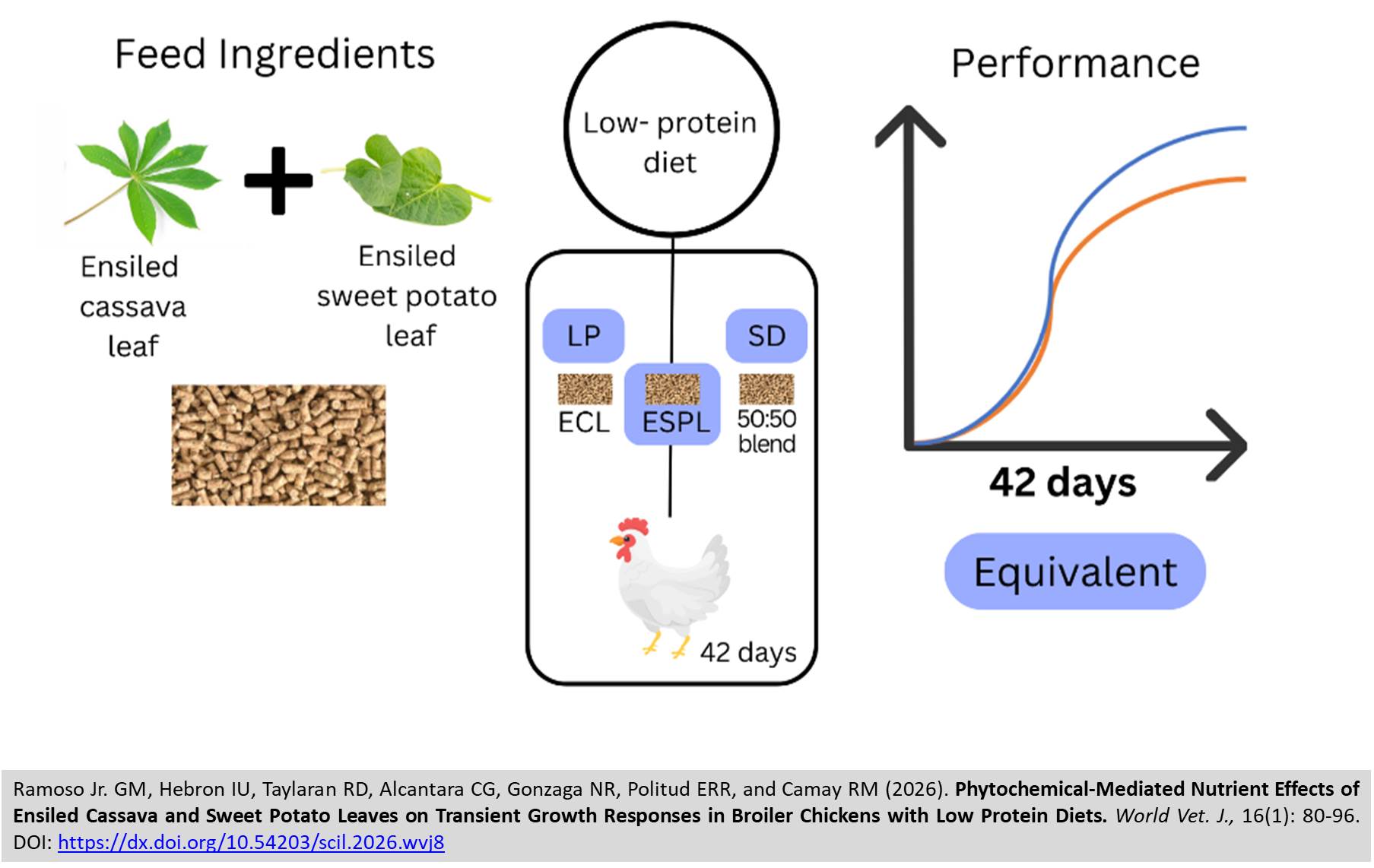
Phytochemical-Mediated Nutrient Effects of Ensiled Cassava and Sweet Potato Leaves on Transient Growth Responses in Broiler Chickens with Low Protein Diets
|
|
Ramoso Jr. GM, Hebron IU, Taylaran RD, Alcantara CG, Gonzaga NR, Politud ERR, and Camay RM.
World Vet. J. 16(1): 80-96, 2026; pii:S232245682600008-16
DOI: https://dx.doi.org/10.54203/scil.2026.wvj8
ABSTRACT: Improving the efficacy of low-protein feeding strategies is important for reducing feed costs and nitrogen emissions in broiler production. The present study aimed to evaluate whether a standard-protein broiler diet can be replaced by a low-protein diet containing 18% crude protein (CP) supplemented with ensiled cassava or sweet potato leaf meal. Ensiled cassava leaf (ECL) at 100 g kg⁻¹, ensiled sweet potato leaf (ESPL) at 100 g kg⁻¹, and ECL-ESPL blends (50 g kg⁻¹) were incorporated into both low-protein (18% CP in starter and grower) and standard-protein diets (22.5% CP in starter and 20% CP in grower). The present study used a 2 × 3 factorial design with 108 broiler chickens from day 1 to day 42. The treatment groups included ECL, ESPL, and a 50:50 blend of both protein levels, with 36 chickens in each group. Chemical analysis indicated that ECL exhibited stronger 2,2-diphenyl-1-picrylhydrazyl (DPPH) radical-scavenging activity (IC₅₀: 33.35 versus 88.08 μg mL⁻¹) and higher total phenolics (21.43 versus 12.34 mg Gallic acid equivalent g⁻¹) compared to the ESPL group, whereas ESPL contained higher flavonoids (12.00 versus 2.86 mg Quercetin equivalent g⁻¹) compared to the ECL group. During the dietary transition phase (days 14-21), broiler chickens subjected to the low-protein diet demonstrated superior average daily gain (51.57 versus 44.91 g) and feed conversion ratio (1.78 versus 2.11) in comparison to those fed the standard-protein diet. However, from day 22 onward, broiler chickens fed the standard-protein diet grew faster than those fed the low-protein diet, resulting in higher final body weight (1,887.89 g versus 1,751.67 g, respectively). Carcass yield, dressing percentage, meat cuts, income over feed and chick cost, and return on investment did not differ among protein levels or silage sources. Overall, an 18% CP diet supplemented with either ECL, ESPL, or the ECL plus ESPL blend can replace a standard-protein diet without adverse impact on carcass yield, dressing percentage, commercial meat cuts, or economic returns, despite a moderate reduction in final body weight. These findings supported the feasibility of using low-protein diets for broiler chickens, incorporating locally available ensiled leaf meals as a cost-effective strategy for smallholder producers.
Keywords: Broiler chicken, Ensiled cassava leaf, Ensiled sweet potato leaf, Low-protein diet, Phase-dependent growth, Phytochemical compound
[Full text-PDF] [Crossref Metadata] [Scopus] [Export from ePrint]
 Research Paper
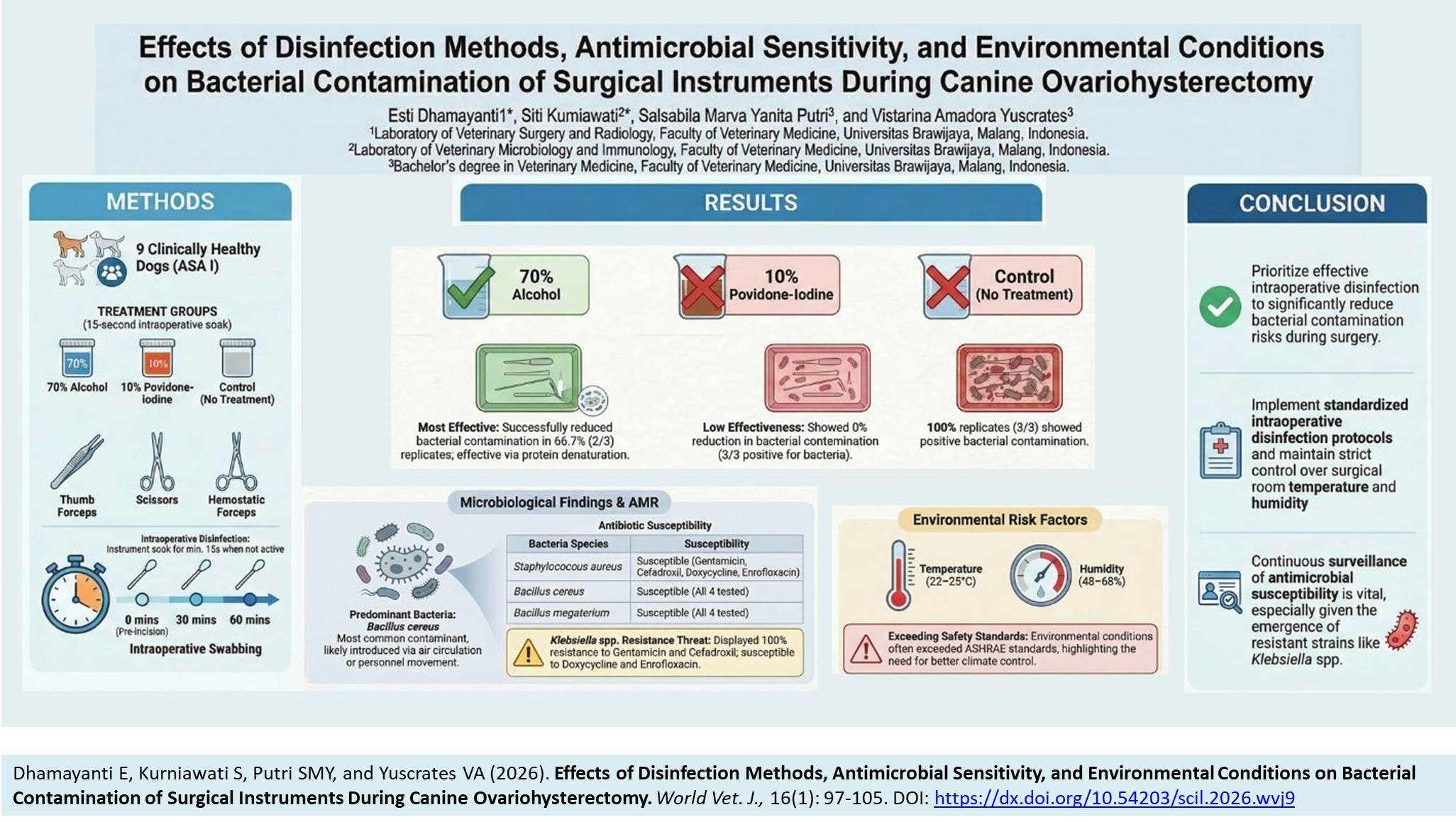
Effects of Disinfection Methods, Antimicrobial Sensitivity, and Environmental Conditions on Bacterial Contamination of Surgical Instruments During Canine Ovariohysterectomy
|
|
Dhamayanti E, Kurniawati S, Putri SMY, and Yuscrates VA.
World Vet. J. 16(1): 97-105, 2026; pii:S232245682600009-16
DOI:https://dx.doi.org/10.54203/scil.2026.wvj9
ABSTRACT: Surgical site infections (SSIs) pose a threat to animal health and potentially compromise recovery after surgical procedures. Antimicrobial resistance (AMR) also exacerbates SSI. Therefore, preventive measures are needed to reduce the risk of SSI during surgery, as well as surveillance of bacteria and antibiotic susceptibility. The present study aimed to observe the risk factors and prevention of SSI in canine ovariohysterectomy (OH), bacterial sensitivity to antibiotics commonly used in veterinary practice, and assess the association of surgical room environment and bacterial contamination. Nine mongrel dogs underwent OH procedures, with surgical instruments (thumb forceps, scissors, and hemostatic forceps) subjected to three intraoperative disinfection methods (70% alcohol, 10% povidone-iodine, or no treatment). Each of the surgical instruments on each disinfection method was swabbed at three points in time (0, 30, and 60 minutes) intraoperatively. Environmental conditions (humidity and temperature) of the surgical room were monitored at each sampling interval. The bacterial identification was performed using conventional microbiological methods. The identified bacteria were tested for antimicrobial susceptibility to doxycycline, enrofloxacin, cefadroxil, and gentamicin using the Kirby-Bauer method. Results indicated that 70% alcohol reduced bacterial contamination in two-thirds (2/3) of replicates, compared to 10% povidone-iodine (0/3) and untreated control (0/3). The bacteria that were identified were Bacillus cereus, Bacillus megaterium, Staphylococcus aureus, and Klebsiella spp. Most of the bacteria identified were susceptible to all antibiotics tested, except Klebsiella spp., which displayed resistance to gentamicin and cefadroxil, while doxycycline and enrofloxacin remained susceptible. The bacterial contamination also might be supported by the humidity and temperature of the surgical room, which is above the standard requirement. The present study findings highlighted the importance of standardized intraoperative disinfection protocols, surveillance of antimicrobial susceptibility, and environmental control in veterinary surgical procedures.
Keywords: Antimicrobial resistance, Ovariohysterectomy, Small animal, Surgical instrument, Surgical site infection
[Full text-PDF] [Crossref Metadata] [Scopus] [Export from ePrint]
 Research Paper
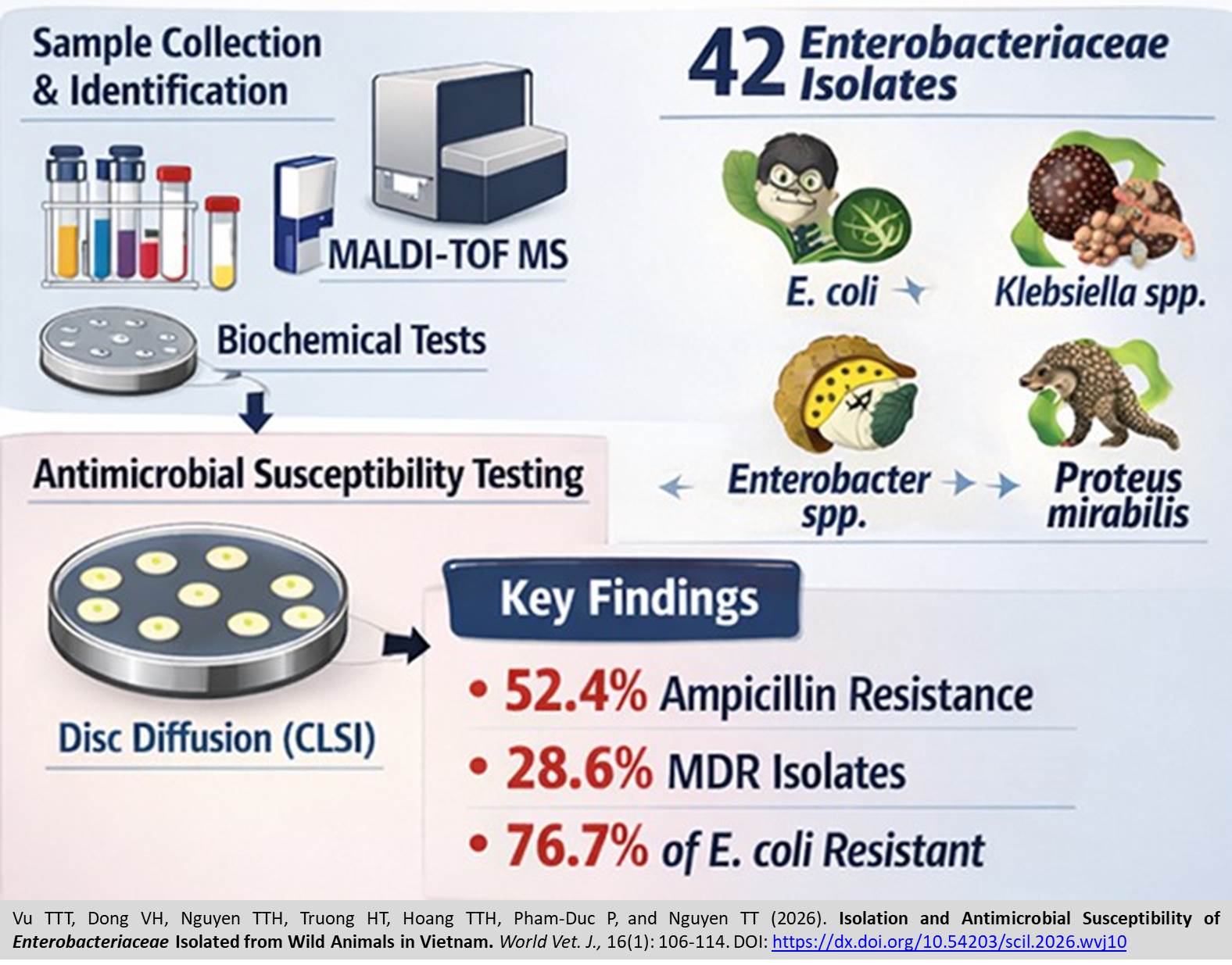
Isolation and Antimicrobial Susceptibility of Enterobacteriaceae Isolated from Wild Animals in Vietnam
|
|
Vu TTT, Dong VH, Nguyen TTH, Truong HT, Hoang TTH, Pham-Duc P, and Nguyen TT.
World Vet. J. 16(1): 106-114, 2026; pii:S232245682600010-16
DOI: https://dx.doi.org/10.54203/scil.2026.wvj10
ABSTRACT: Antimicrobial resistance has increased globally among bacteria within the family Enterobacteriaceae. The present study aimed to identify Enterobacteriaceae species isolated from wild animals in Vietnam, including sika deer, chevrotain, bamboo rat, binturong, otter, palm civet, and wildcat, and to evaluate their antimicrobial susceptibility profiles. A total of 20 samples from wild animals were subjected to biochemical characterization and species identification using matrix-assisted laser desorption/ionization time-of-flight mass spectrometry. Antimicrobial susceptibility was determined by the disc diffusion method according to Clinical and Laboratory Standards Institute guidelines. A total of 42 Enterobacteriaceae isolates were identified, including Escherichia coli (E. coli; 71.4%), Enterobacter asburiae, Enterobacter bugandensis, Enterobacter hormaechei, Escherichia fergusonii, Klebsiella aerogenes, Klebsiella pneumoniae, Klebsiella variicola, and Proteus mirabilis. Most isolates were susceptible to norfloxacin (92.9%) and trimethoprim/sulfamethoxazole (88.1%), and no resistance to imipenem was detected. In contrast, resistance to ampicillin was the most common at 52.4%, followed by ciprofloxacin at 30.9%, cefotaxime at 26.2%, tetracycline at 23.8%, chloramphenicol at 21.4%, and streptomycin at 21.4%. Intermediate susceptibility was observed for doxycycline (9.5%), cefoxitin (9.5%), norfloxacin (7.1%), and gentamicin (4.8%). Among the isolates, 76.7% of E. coli and 91.7% of the remaining Enterobacteriaceae species demonstrated resistance to at least one antimicrobial agent. Seventeen distinct resistance patterns were identified among E. coli, whereas five patterns were observed among other species. Overall, 12 isolates (28.6%) were classified as multidrug-resistant, exhibiting resistance to three or more antimicrobial classes. The present findings indicated that wild animals in Vietnam carried different Enterobacteriaceae species, including multidrug-resistant strains. Consequently, wild animals could serve as a reservoir for antimicrobial-resistant bacteria, emphasizing the need for ongoing surveillance within a One Health approach.
Keywords: Antimicrobial resistance, Enterobacteriaceae, Multidrug resistance, Wild animal
[Full text-PDF] [Crossref Metadata] [Scopus] [Export from ePrint]
 Research Paper
Effects of Organic Acids on Growth Performance, Livability, Carcass Traits, Leg Bone Qualities, and Economic Profitability in Broiler Chickens Fed Low-Protein Vegetable-Based Diets
|
|
Zaman S, Hossain MA, Akter N, Islam S, Nath SK, Mir DA, Akter N, Islam S, Khatun MM, Bahar F, and Islam MS.
World Vet. J. 16(1): 115-126, 2026; pii:S232245682600011-16
DOI: https://dx.doi.org/10.54203/scil.2026.wvj11
ABSTRACT: A variety of feed additives are widely used in the modern poultry industry for improving productivity and feed conversion efficiency. This study evaluated the effects of dietary organic acids, either butyric acid alone or in combination with acetic acid, supplemented low-protein (crude protein) vegetable diets on growth performance, livability, carcass traits, leg bone qualities, and cost-benefit of broiler production. A total of 216 unsexed one-day-old Ross-308 broiler chickens were randomly assigned to four treatments, each comprising six replicates of nine chickens. The treatments included D1c (basal diet without OA), D1 (0.6% butyric acid), D2c (basal diet without OA), and D2 (0.3% of butyric and acetic acid). The findings showed that the OA supplementation significantly increased live body weight (LBW) and feed intake (FI), while decreasing feed conversion ratio (FCR), both at 21 and 42 days, when compared to respective controls. Basal diets had no significant effect on LBW, FI, or FCR at either age. However, a significant interaction between basal diets and OA (A × B) was observed for FI and FCR at 21 days. Livability did not differ significantly among treatment groups. Carcass evaluation revealed that broiler chickens in the D2 group showed significantly increased dressing yield, drumstick, breast and giblet percentages, followed by D1, compared with control groups. However, neither basal diets nor A × B interaction had any significant effect on dressing yield or individual carcass parts. In terms of bone qualities, the D2 group demonstrated a significant increase in tibial bone length, width, and ash content compared with the control groups. Although basal diets significantly increased tibial phosphorus content in the D1c group, neither basal diets nor the A × B interaction significantly affected the overall bone traits. Economically, total production cost per kg live body weight reduced and profit increased significantly in the D2 group, followed by D1, compared with controls. Basal diets and A × B interaction did not significantly influence production cost or profitability. In conclusion, supplementation with 0.30% butyric and acetic acid in low-protein vegetable-based diets enhances growth performance, carcass traits, bone qualities, and profitability without affecting livability in broiler chickens.
Keywords: Broiler chicken, Carcass, Growth, Leg bone quality, Low-protein diet, Organic acid
[Full text-PDF] [Crossref Metadata] [Scopus] [Export from ePrint]
 Research Paper
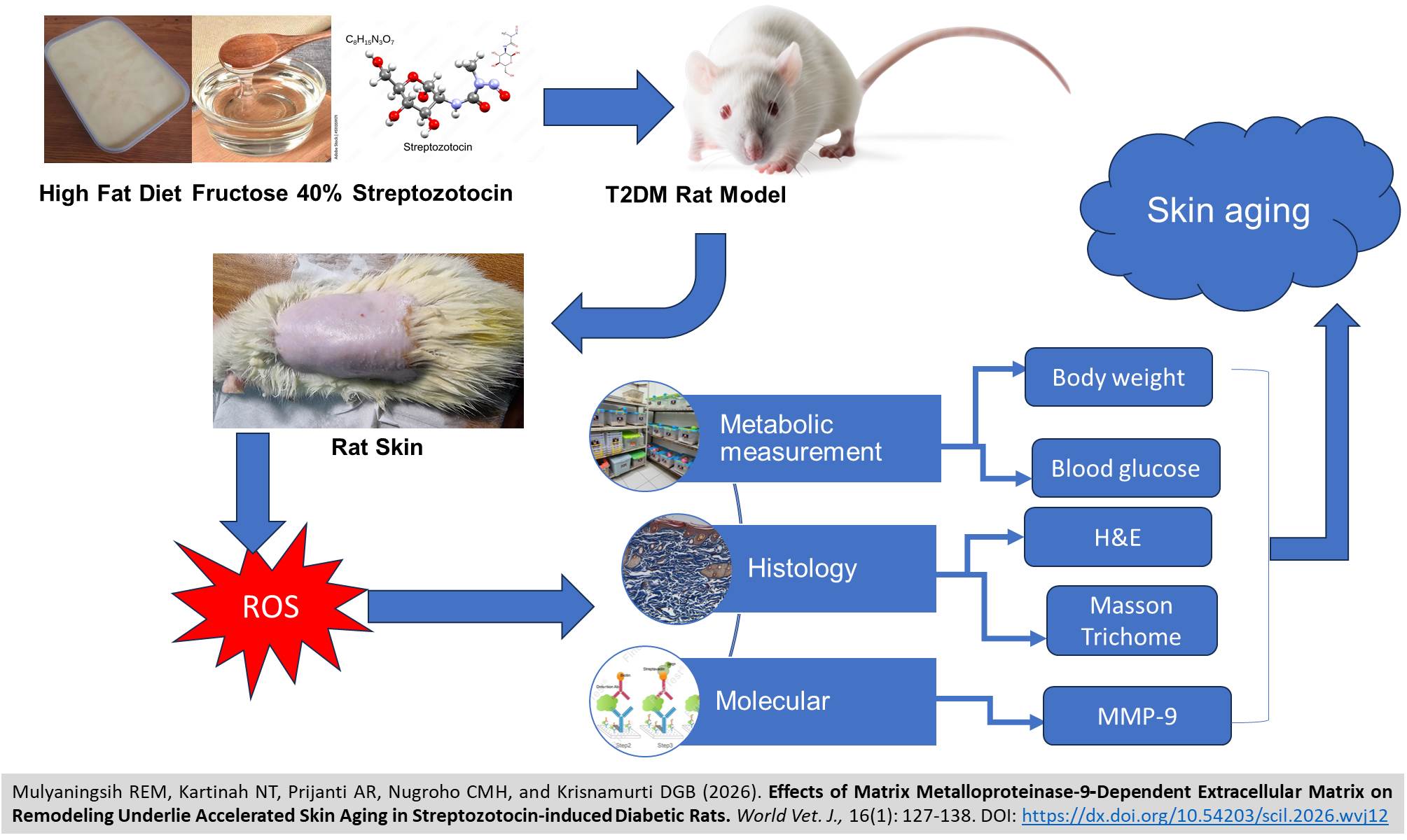
Effects of Matrix Metalloproteinase-9-Dependent Extracellular Matrix on Remodeling Underlie Accelerated Skin Aging in Streptozotocin-induced Diabetic Rats
|
|
Mulyaningsih REM, Kartinah NT, Prijanti AR, Nugroho CMH, and Krisnamurti DGB.
World Vet. J. 16(1): 127-138, 2026; pii:S232245682600012-16
DOI: https://dx.doi.org/10.54203/scil.2026.wvj12
ABSTRACT: Type 2 diabetes mellitus (T2DM) is a chronic metabolic disorder associated with progressive aging-related alterations in multiple organs, including the skin. Nonetheless, the specific structural and molecular changes that cause skin aging in diabetes remain poorly understood in preclinical animal models. The present study aimed to establish a rat model of T2DM-induced skin aging and to investigate the relationship between matrix metalloproteinase-9 (MMP-9) expression and dermal extracellular matrix (ECM) remodeling in diabetic skin aging. A total of 12 male Sprague-Dawley rats, aged 8-9 weeks and weighing 180-250 g, were assigned to the control and T2DM groups. Rats in the T2DM group received an 8-week high-fat diet (45% fat calories) with 40% fructose, followed by low-dose streptozotocin (25 mg/kg, IP) injection to induce diabetes. Metabolic phenotype was validated using fasting blood glucose and a 2-hour post-glucose measurement. After 16 weeks, dorsal skin was collected for histological evaluation, including measurements of epidermal/dermal thickness, collagen area, and fibroblast counts, as well as molecular analysis. The MMP-9 was measured using a sandwich enzyme-linked immunosorbent assay. Diabetic rats developed sustained hyperglycemia and increased body weight, confirming a T2DM-like metabolic phenotype. Histological analysis demonstrated a significant increase in dermal thickness and a marked reduction in dermal collagen density in diabetic skin, whereas epidermal thickness and fibroblast counts were not significantly altered. The MMP-9 concentration in diabetic dermal homogenates was elevated compared with that in the control group. The current findings demonstrated that T2DM in rats was associated with early dermal extracellular matrix remodeling, characterized by increased MMP-9 levels, decreased collagen density, and dermal thickening, suggesting an association between chronic hyperglycemia and altered dermal matrix homeostasis.
Keywords: Collagen, Dermal extracellular matrix, Matrix metalloproteinase-9, Rat, Skin aging, Type 2 diabetes mellitus
[Full text-PDF] [Crossref Metadata] [Scopus] [Export from ePrint]
 Research Paper
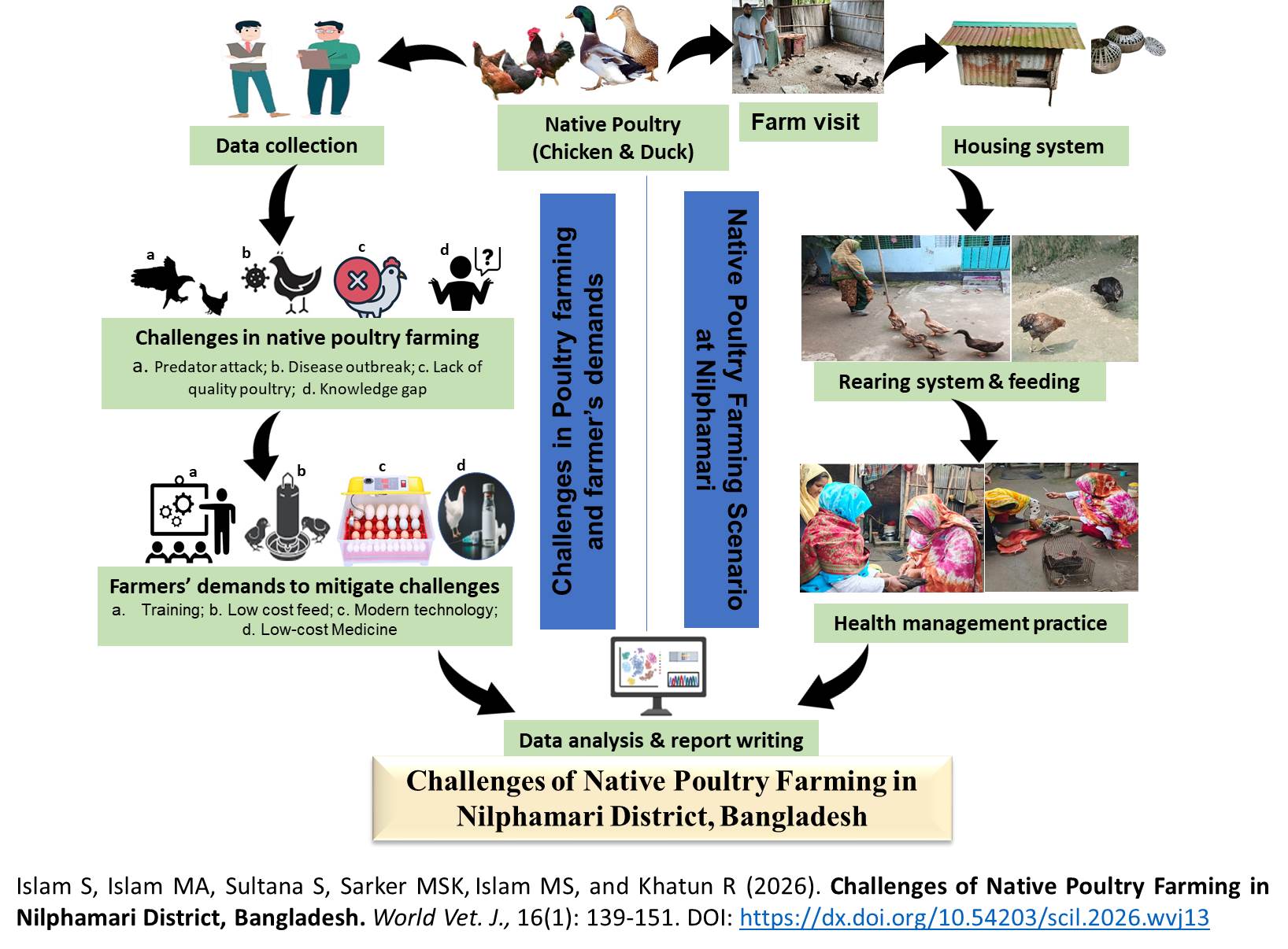
Challenges of Native Poultry Farming in Nilphamari District, Bangladesh
|
|
Islam S, Islam MA, Sultana S, Sarker MSK, Islam MS, and Khatun R.
World Vet. J. 16(1): 139-151, 2026; pii:S232245682600013-16
DOI: https://dx.doi.org/10.54203/scil.2026.wvj13
ABSTRACT: Poultry farming in Bangladesh is an essential part of the mixed farming system, contributing notably to household nutrition, economic development, and employment opportunities for women. The present study aimed to evaluate the current status and future prospects of local poultry (chicken and duck) farming in six sub-districts of Nilphamari, Bangladesh, to inform decisions on technological interventions and enhance the farming system. A cross-sectional survey of 210 households across six sub-districts of Nilphamari, Bangladesh, was conducted using a simple random method from July 2024 to June 2025. The current results indicated that women dominated poultry farming (86.77%), while household heads were mainly engaged in labor (29.24%), agriculture (27.14%), and business (20.95%). The literacy status of the respondents indicated that 36.19% had education below the secondary school level, 18.09% were illiterate, 11.43% could only sign, and 29.33% attained higher education levels. The average annual household income and expenditure were 252,029.52 BDT (2059.90 USD) and 166,062.85 BDT (1357.28 USD), respectively. Most households (55.71%) maintained small flocks, averaging seven native chickens each, while 14.26% of households reared ducks and only 3.33% reared commercial chickens. Native chickens had an average annual egg production of 64 eggs with a mean egg weight of 35.83 g, while native ducks produced 108 eggs annually with an average egg weight of 55.23 g. The majority of farmers (97.14%) practiced semi-intensive systems, with rice and broken rice being the main feed. Vaccination coverage was extremely low for chickens (17.14%) and ducks (9.68%), leading to high prevalence of Newcastle disease (75.24%) in chickens, followed by fowl pox (40.95%), fowl cholera (25.24%), infectious coryza (21.90%), and coccidiosis (21.43%). Prevalence of avian influenza was low (4.28%), and duck plague was reported at 35.48% in ducks. Morbidity and mortality rates were 66.64% and 35.10% for chickens, and 63.68% and 24.37% for ducks, respectively, due to disease, nutritional scarcity, and predation. Major constraints in poultry farming included predatory attacks, disease outbreaks, feed costs, and knowledge gaps. Poultry farming remains a vital livelihood strategy, highlighting the urgent need for training, technological assistance, and enhanced breeds to boost productivity and sustainability in the study area.
Keywords: Constraint, Native chicken, Poultry production, Vaccination
[Full text-PDF] [Crossref Metadata] [Scopus] [Export from ePrint]
 Research Paper
Prevalence and Antibiotic Resistance of Salmonella spp. in Pigeons Farmed at Bac Ninh Province, Vietnam
|
|
Huong CTT, Oanh TL, Tra VTT, and Thai TH.
World Vet. J. 16(1): 152-158, 2026; pii:S232245682600014-16
DOI: https://dx.doi.org/10.54203/scil.2026.wvj14
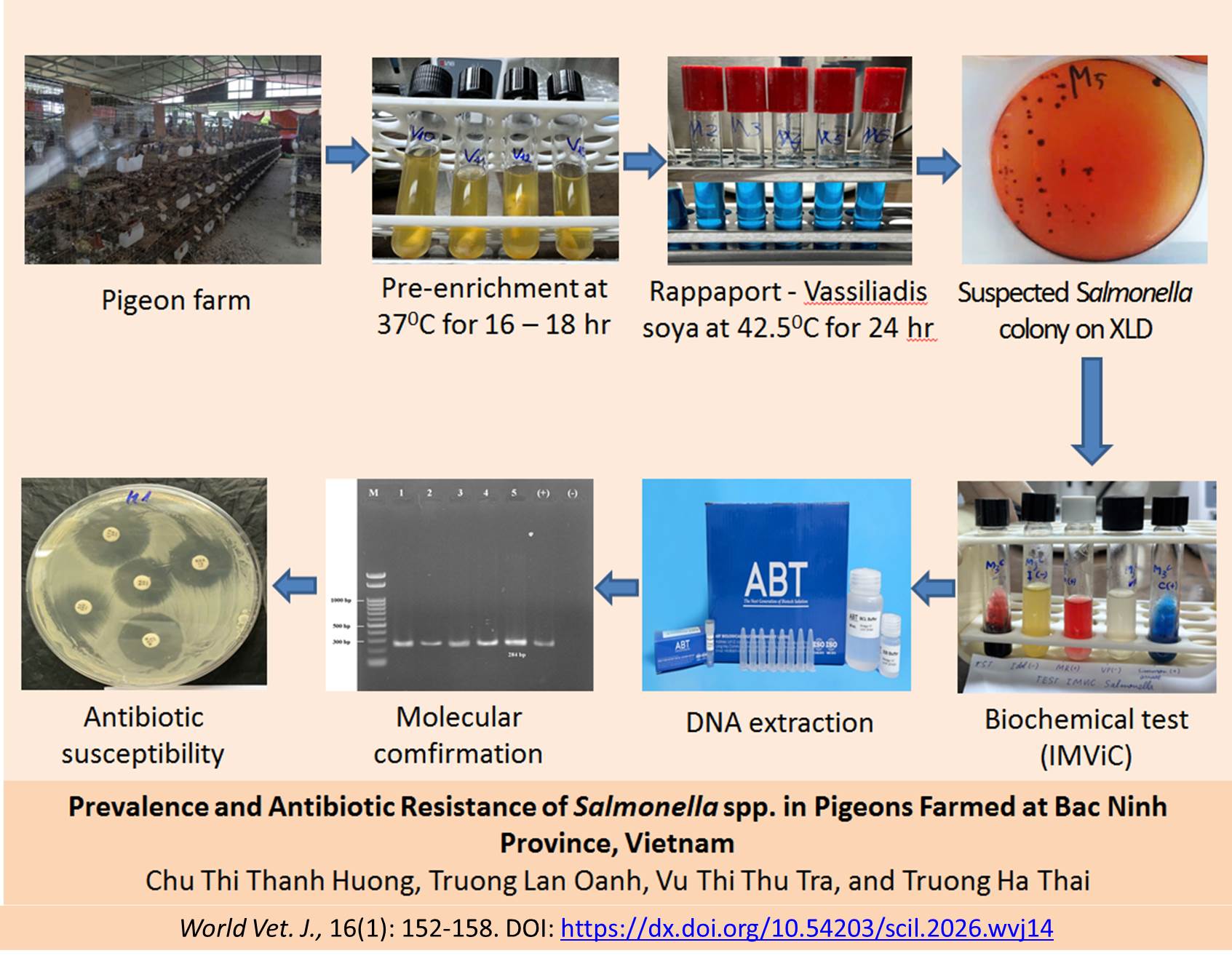
ABSTRACT: Pigeons are known to be the potential reservoir for several pathogenic microorganisms, including Salmonella, E. coli, Chlamydia spp., and Cryptococcus spp. This study aimed to determine the prevalence and antibiotic resistance of Salmonella in fecal samples from pigeons raised in Northern Vietnam. From January to December 2024, 128 fresh fecal samples were collected from 32 different pigeon farms in Bac Ninh province, Vietnam, for Salmonella isolation. Fecal samples were cultured on peptone buffer and selective media such as rappaport-vassilidis soybean broth and xylose lysine deoxycholate agar; suspected Salmonella colonies were confirmed by biochemical tests and InvA gene identification. Results showed that 40 out of 128 samples (31.3%) were positive for Salmonella. The isolated Salmonella strains were tested for antibiotic susceptibility by agar diffusion method for ampicillin, meropenem, cefotaxime, ceftazidime, doxycycline, tetracycline, gentamicin, streptomycin, nalidixic acid, ciprofloxacin, norfloxacin, sulfonamide, and trimethoprim/sulfamethoxazole. The isolates exhibited the highest resistance rate to tetracycline (67.5%), followed by ampicillin and sulfonamide (62.5%). Cefotaxime, streptomycin, and trimethoprim/sulfamethoxazole were resistant at rates of 52.0%, 47.5%, and 45.0%, respectively. Resistance to ciprofloxacin, gentamicin, doxycycline, nalidixic acid, and chloramphenicol ranged from 20.0% to 35.0%. No Salmonella strains were observed to be resistant to ceftazidime, meropenem, and norfloxacin. The current results indicated that 92.5% (37/40) isolates were resistant to at least one antibiotic, with 26 different antibiotic resistance patterns. Twenty-eight (70.0%) strains were identified as multidrug-resistant (MDR), with resistance to 3-4 antibiotic classes, and 5-6 antibiotic classes and 7 antibiotic classes found in 11 (27.5%), 12 (30.0%), and 5 (12.5%) of the isolates, respectively. Overall, the findings of the current study indicated a high prevalence of antibiotic-resistant Salmonella in pigeon farms, with many strains identified as MDR.
Keywords: Antibiotic resistance, InvA, Pigeon, Salmonella
[Full text-PDF] [Crossref Metadata] [Scopus] [Export from ePrint
 Research Paper
Microbiological Quality and Adulterants of Cattle Milk in Egypt
|
|
Soliman MMH, Abuelnaga ASM, Abd EL-Razik KAE-H, Kandil MM, and Hassan ER.
World Vet. J. 16(1): 159-170, 2026; pii:S232245682600015-16
DOI: https://dx.doi.org/10.54203/scil.2026.wvj15
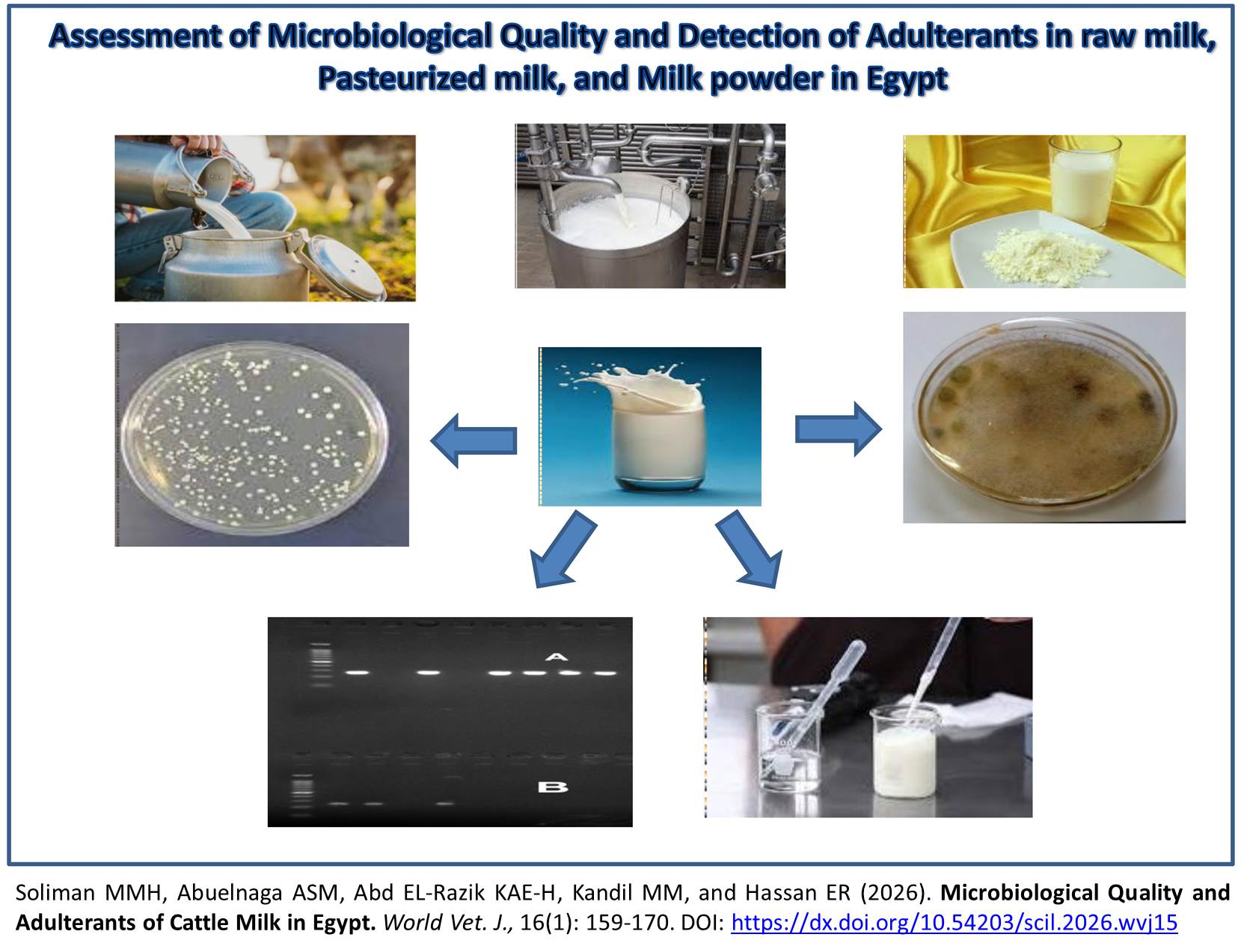
ABSTRACT: Milk is a rich, highly nutritious food; therefore, it is essential to ensure its purity by eliminating harmful microbes and adulterants that could affect public health. This cross-sectional, laboratory-based analytical study aimed to evaluate the hygienic quality of milk and detect chemical adulterants, with a focus on differentiating buffalo milk from cow milk by utilizing PCR to detect cow and buffalo DNA. A total of 110 milk samples, including raw milk, pasteurized milk, and milk powder from milk shops and dairy companies in Cairo and Giza governorates in Egypt, were collected. The present findings revealed that raw milk exhibited the highest levels of standard plate count (7 × 10⁵ ± 1.7 × 10⁶ CFU/mL), Staphylococcus aureus (1.9 × 10³ ± 2.9 × 10³ CFU/mL), coliforms (2.8 × 10² ± 3.1 × 10² CFU/mL), and Escherichia coli (E. coli) O157 (7.4 × 10 ± 7.8 × 10) and yeast (1.7 × 10² ± 1.7 × 10² CFU/mL), indicating poor hygiene and presenting significant public health concerns. Pasteurized milk and milk powder exhibited superior but variable microbial quality, although mold contamination levels remained consistent across all milk sample types. Sugar, soap, starch, salicylic acid, and formalin were detected at 2%, 6%, 16%,20%, and 6% in raw milk, respectively. Starch was found at 2% and 10% in pasteurized milk and milk powder, and salicylic acid was detected at 10% in milk powder. In the current study, 40% of the raw milk was cattle milk, 50% was buffalo milk, and 10% was mixed milk. In addition, 50% of the pasteurized milk was from cows, 26% from buffalo, and 24% was mixed milk from cows and buffalo. Milk powder was 100% from cows. The current results indicated that although pasteurized milk and milk powder are safer choices, raw milk poses notable chemical and microbiological risks, underscoring the need for stronger regulations to reduce milk contamination.
Keywords: Adulteration, Milk, PCR, Total bacterial count, Total fungal count
[Full text-PDF] [Crossref Metadata] [Scopus] [Export from ePrint]
 Research Paper
Influences of Demographic Factors on Knowledge, Attitudes, and Practices Related to Animal Welfare among Pet Owners in Vietnam
|
|
Minh DLT, Dat ND, Giang NTH, and Minh TX.
World Vet. J. 16(1): 171-181, 2026; pii:S232245682600016-16
DOI: https://dx.doi.org/10.54203/scil.2026.wvj16
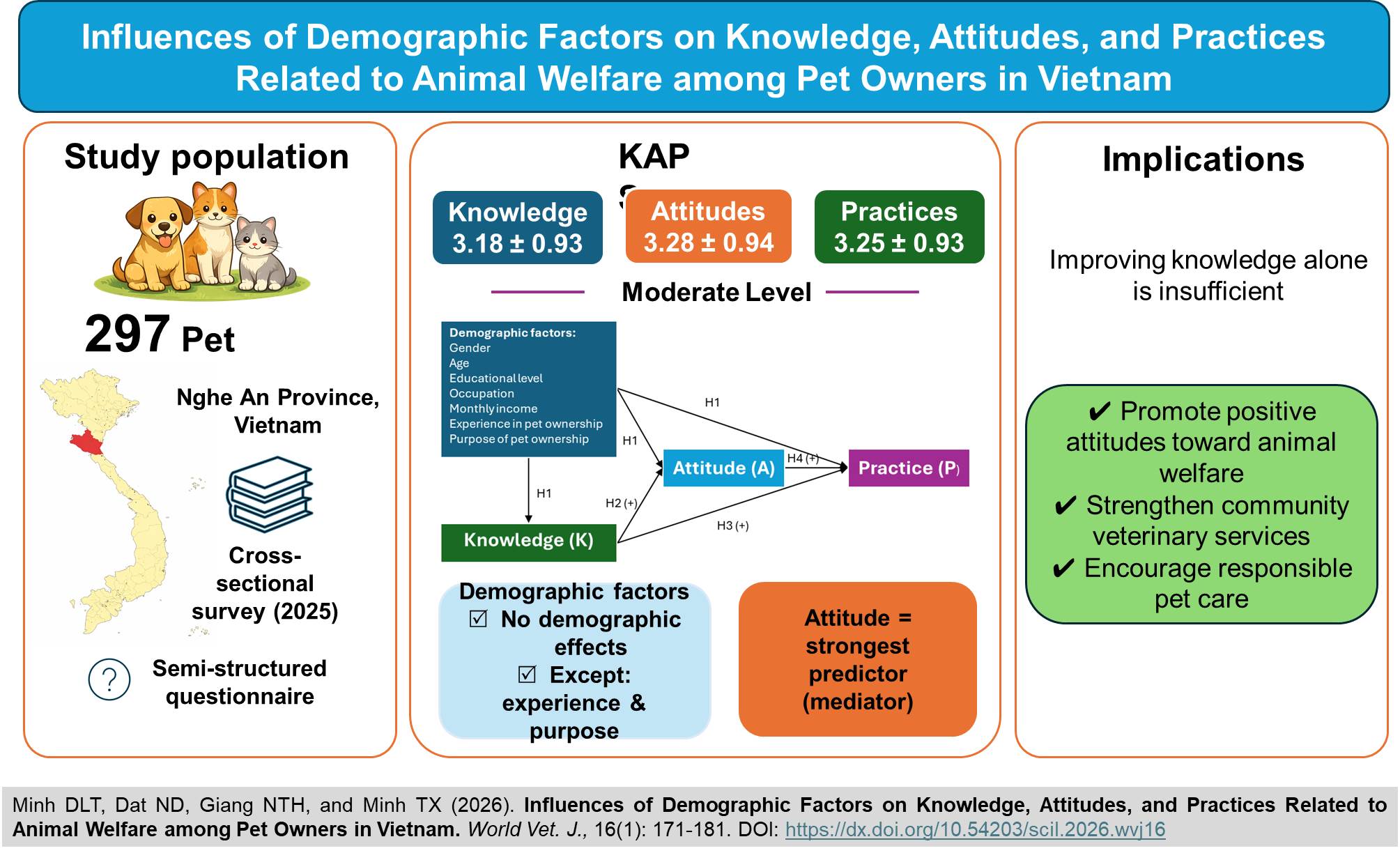
ABSTRACT: Animal welfare has become an increasingly important issue in rapidly urbanizing societies, particularly in developing countries where pet ownership is expanding. This study was conducted to examine the influence of demographic factors on pet owners’ knowledge, attitudes, and practices (KAP) related to animal welfare in Nghe An Province, Vietnam, in 2025 and to analyze the relationships among knowledge, attitudes, and caregiving behaviors. A cross-sectional study design was employed, involving 297 pet owners who were surveyed using a semi-structured questionnaire. The results indicated that overall knowledge, attitudes, and practices regarding animal welfare were moderate, with mean scores of 3.18 ± 0.93, 3.28 ± 0.94, and 3.25 ± 0.93, respectively. No statistically significant associations were observed between demographic characteristics (gender, age, educational level, occupation, and income) and the knowledge, attitude, or practice scores in the adjusted regression models, except for pet ownership experience and the purpose of pet keeping. The results indicated that knowledge had a positive effect on attitudes and practices. Attitudes were identified as the strongest predictor of animal welfare practices. The results confirmed that attitudes partially mediated the relationship between knowledge and practices, with a statistically significant indirect effect. These findings suggested that improving knowledge alone is insufficient to enhance animal welfare practices, and effective interventions should prioritize attitude change and strengthen the role of community veterinary services in promoting responsible pet care.
Keywords: Behavioral determinant, Companion care, Mediation analysis, Responsible ownership
[Full text-PDF] [Crossref Metadata] [Scopus] [Export from ePrint]
 Research Paper
Effects of Coconut Oil Supplementation on Growth Performance, Egg Production, and Egg Characteristics in Merawang Chickens
|
|
Harahap RS, Gushairiyanto, Nurhayati, Wiyanto E, Wibowo SE, Daulay WL, and Depison.
World Vet. J. 16(1): 182-190, 2026; pii:S232245682600017-16
DOI: https://dx.doi.org/10.54203/scil.2026.wvj17
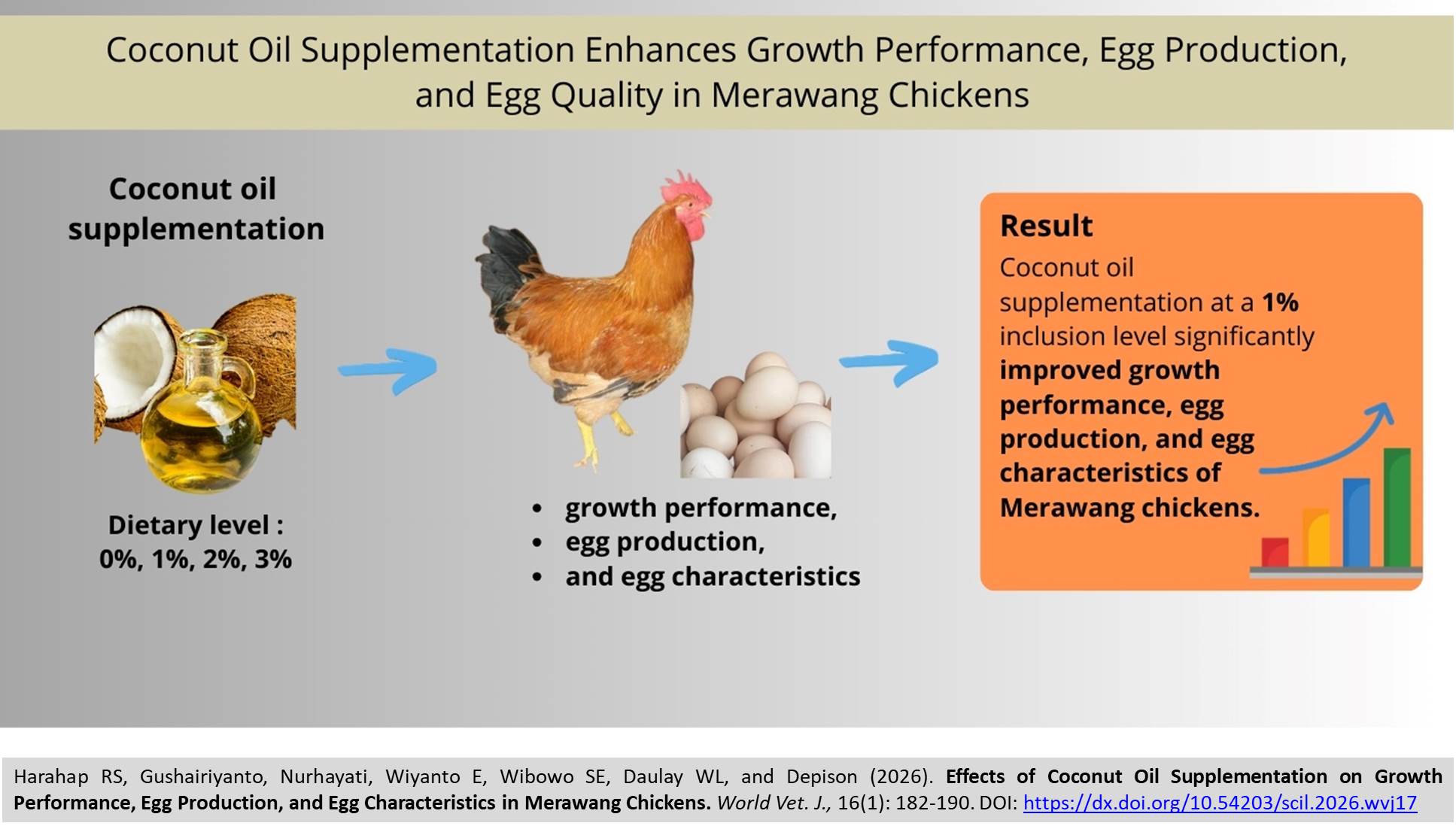
ABSTRACT: Feed plays an important role in influencing the growth and reproductive performance of chickens. In recent years, the use of natural feed additives in chicken production has attracted considerable attention from both the scientific and commercial communities. Therefore, the present study aimed to investigate the effects of supplementing Merawang chickens with coconut oil on their growth performance, egg production, and egg characteristics. Subsequently, 240-day-old chicken Merawang chickens were used, divided into four treatments with four replications each. The groups consisted of a basic diet without coconut oil (T0), a basic diet with 1% coconut oil (T1), a basic diet with 2% coconut oil (T2), and a basic diet with 3% coconut oil (T3). The Merawang chickens were reared for seven months, kept in communal cages for four months according to the prescribed treatment, and then transferred to battery cages when they entered the egg-laying phase, remaining there until seven months of age. Parameters measured included body weight, body weight gain, morphometric measurements, feed efficiency, egg production, and characteristics. The results revealed that T1 and T2 significantly improved growth performance parameters compared to other treatments, especially in body weight, body weight gain, and different morphometric traits such as beak length, head height, chest width, upper thigh length, third toe length, pubic width, neck length, upper body length, back length, lower body length, and tibia circumference. The T1 and T2 also significantly affected egg production and egg characteristics of Merawang chickens compared to T0 and T3, including hen day production (HDP), egg length, egg width, and egg circumference. Consequently, it is determined that adding 1-2% of coconut oil to Merawang chickens' feed can enhance growth performance, egg production, and egg characteristics.
Keywords: Coconut oil, Egg characteristics, Egg production, Growth performance, Merawang chicken
[Full text-PDF] [Crossref Metadata] [Scopus] [Export from ePrint]
 Research Paper
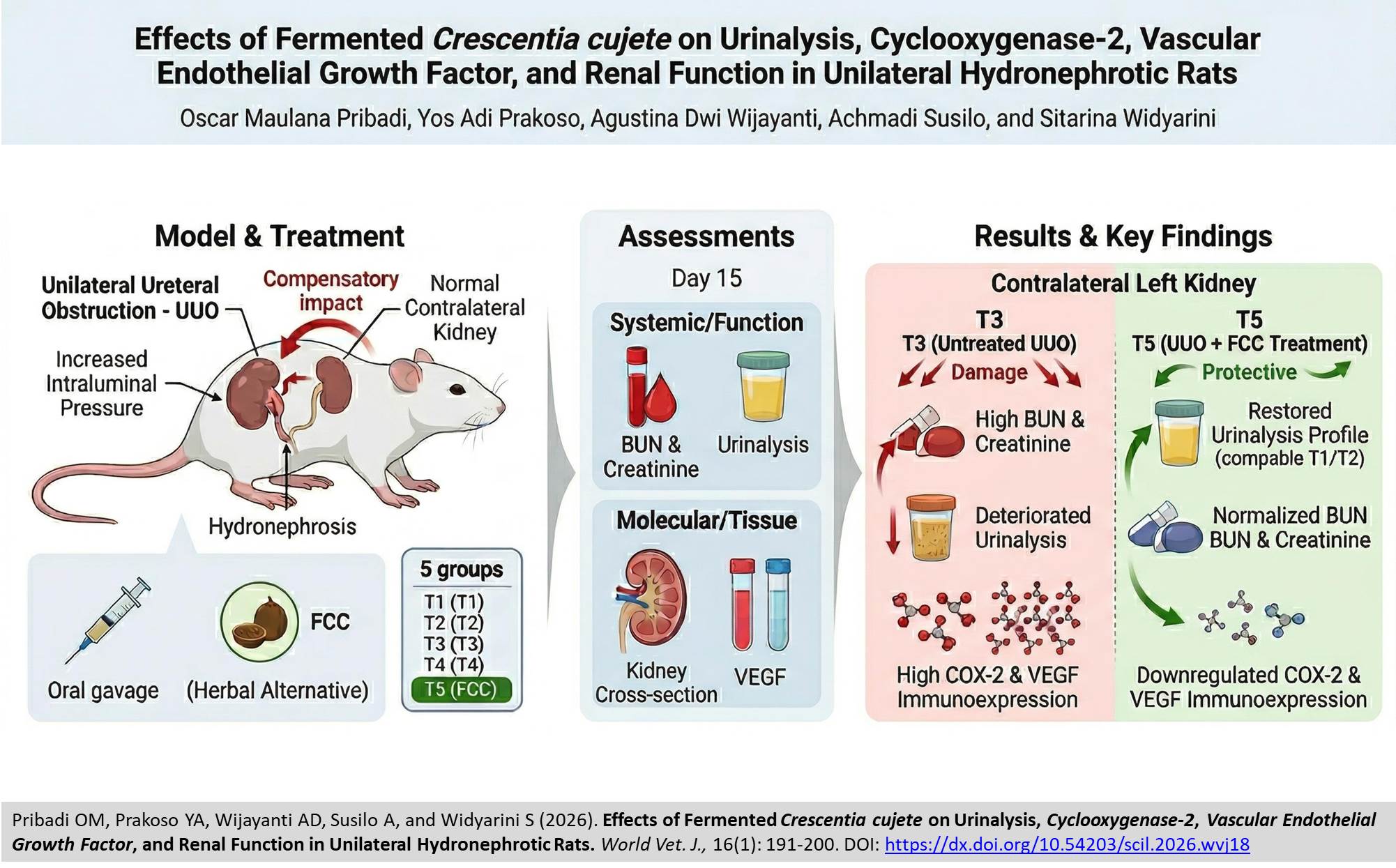
Effects of Fermented Crescentia cujete on Urinalysis, Cyclooxygenase-2, Vascular Endothelial Growth Factor, and Renal Function in Unilateral Hydronephrotic Rats
|
|
Pribadi OM, Prakoso YA, Wijayanti AD, Susilo A, and Widyarini S.
World Vet. J. 16(1): 191-200, 2026; pii:S232245682600018-16
DOI: https://dx.doi.org/10.54203/scil.2026.wvj18
ABSTRACT: Unilateral ureteral obstruction (UUO) leads to increased intraluminal pressure, causing a compensatory impact on the contralateral kidney. Common treatments involving diuretics and surgical interventions often fail to offer a complete resolution of the underlying renal damage. Fermented Crescentia cujete (FCC), an herbal-derived product with multifaceted therapeutic benefits, presents a potential alternative treatment. The present study aimed to evaluate the potential of FCC to protect renal function using UUO rat models. The study employed 30 male Sprague Dawley rats (6 months old, weighing 253.76 ± 8.32 g) which were distributed randomly into five distinct groups, including a healthy control (T1), a sham-operated group (T2), an untreated UUO group (T3), a group receiving UUO plus 92.5 mg/kg BW Prive Uricran® (T4), and a group receiving UUO plus 5.92 mg/kg BW FCC (T5). The test subjects received oral gavage treatment twice daily over a period of 14 days. On day 15, serum and urine were assessed to assess blood urea nitrogen (BUN) and creatinine concentrations, and urinalysis. Moreover, the rats were euthanized, and the kidney tissue was harvested to assess the immunoexpression of cyclooxygenase-2 (COX-2) and vascular endothelial growth factor (VEGF). The results showed that unilateral hydronephrosis caused significant renal impairment in the untreated group (T3) compared to the healthy (T1) and sham (T2) groups. The changes in the T3 group were characterized by marked elevations in BUN and creatinine, deteriorated urinalysis profiles, and a surge in COX-2 and VEGF immunoexpression. Therapeutic intervention with FCC (T5) successfully mitigated compensatory effects, demonstrating a capacity to restore urinalysis parameters to levels compared to T1 and T2. Furthermore, the treatment effectively downregulated COX-2 and VEGF immunoexpression in the contralateral renal tissue, reducing them to levels statistically indistinguishable from those of the healthy control. The present findings confirmed that FCC has a reno-protective activity on the contralateral kidney following UUO induction, evidenced by stabilized urinalysis profiles and suppressed COX-2 and VEGF immunoexpression.
Keywords: Cyclooxygenase-2, Fermented Crescentia cujete, Hydronephrosis, Unilateral ureteral obstruction, Vascular endothelial growth factor
[Full text-PDF] [Crossref Metadata] [Scopus] [Export from ePrint]
 Research Paper
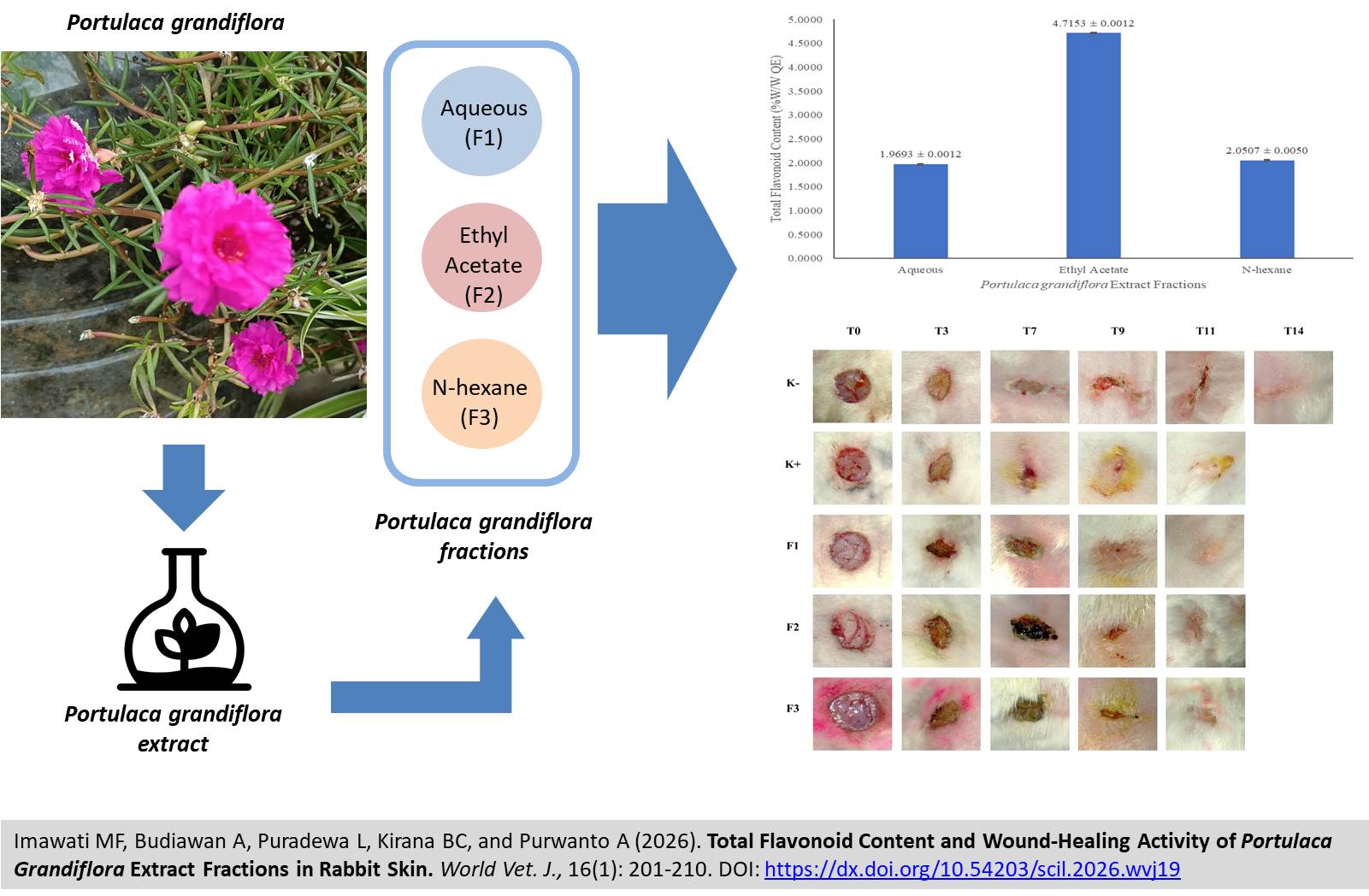
Total Flavonoid Content and Wound-Healing Activity of Portulaca Grandiflora Extract Fractions in Rabbit Skin
|
|
Imawati MF, Budiawan A, Puradewa L, Kirana BC, and Purwanto A.
World Vet. J. 16(1): 201-210, 2026; pii:S232245682600019-16
DOI: https://dx.doi.org/10.54203/scil.2026.wvj19
ABSTRACT: Portulaca grandiflora extract demonstrated wound-healing activity and contains high levels of flavonoids. However, the specific secondary metabolites of Portulaca grandiflora herb extract that are responsible for the wound-healing mechanism of action remain unclear. The present study aimed to evaluate the wound-healing effect of the total flavonoid content of purslane (Portulaca grandiflora) extract fractions on rabbit skin. The wound-healing activity was assessed in a New Zealand white rabbit model. The total flavonoid content of aqueous, ethyl acetate, and n-hexane fractions of Portulaca grandiflora was quantified using an aluminum chloride (AlCl3) colorimetry method, and the effects of these fractions were compared to the positive control group (betadine solution) and the negative control group (distilled water). Among the fractions tested, the ethyl acetate fraction of Portulaca grandiflora exhibited the highest total flavonoid content at 4.7153% ± 0.0012% Weight/Weight (W/W) quercetin equivalent (QE), followed by the n-hexane and aqueous fractions at 2.0507% ± 0.0050% W/W (QE) and 1.9693% ± 0.0012% W/W (QE), respectively. All three fractions, including the aqueous, ethyl acetate, and n-hexane, demonstrated wound-healing activity in rabbit skin, which were significantly different from the negative control group on day 11. The aqueous fraction indicated the highest wound-healing effect, similar to the positive control group. The aqueous fraction and the positive control group were significantly different from the negative control group on day 9. The present findings indicated an inverse correlation between the total flavonoid content and the wound healing activity test. The aqueous fraction, which represented the lowest total flavonoid content, revealed the highest wound healing activity.
Keywords: Flavonoid, Fractionation, Portulaca grandiflora, Rabbit, Wound-healing
[Full text-PDF] [Crossref Metadata] [Scopus] [Export from ePrint]
 Research Paper
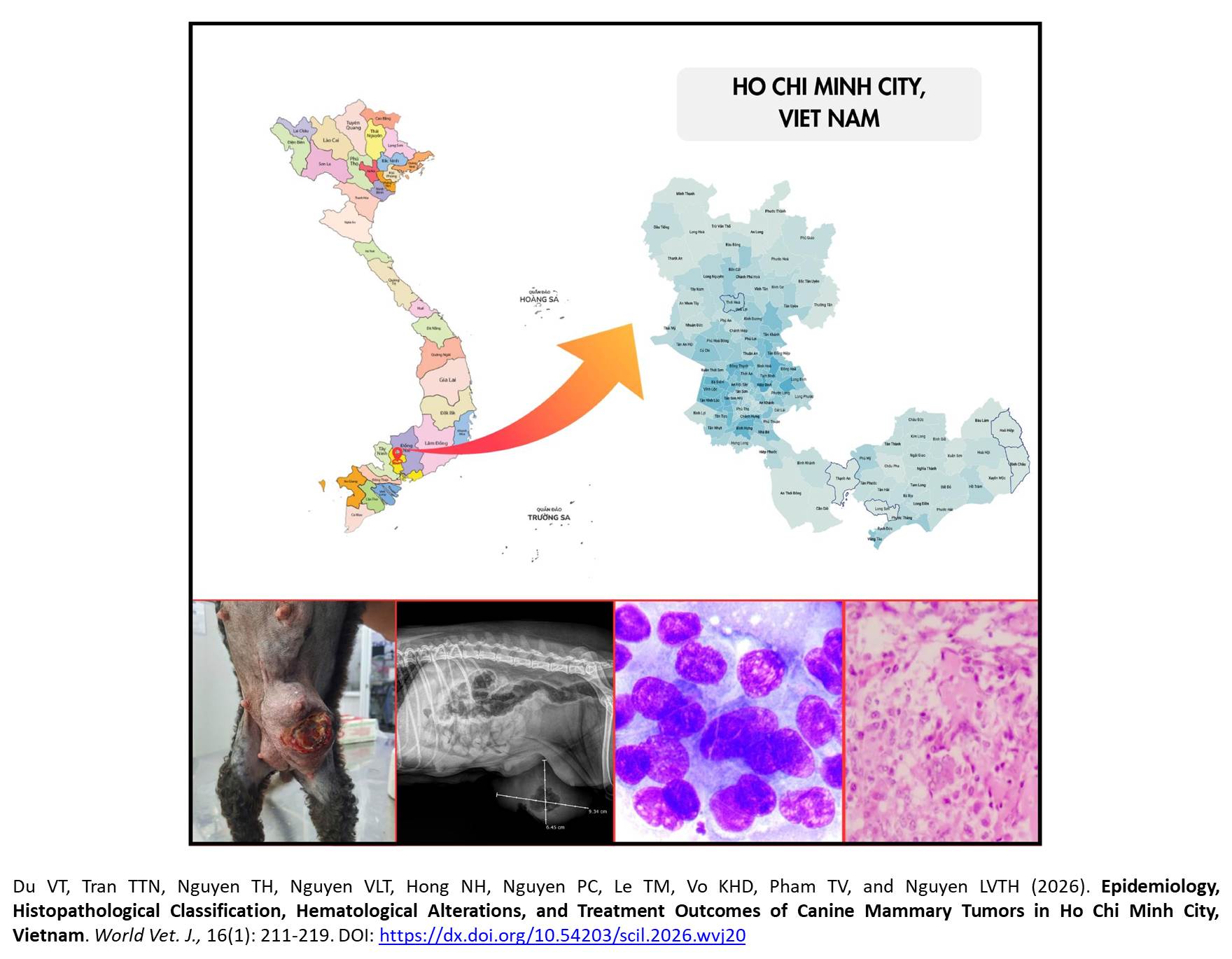
Epidemiology, Histopathological Classification, Hematological Alterations, and Treatment Outcomes of Canine Mammary Tumors in Ho Chi Minh City, Vietnam
|
|
Du VT, Tran TTN, Nguyen TH, Nguyen VLT, Hong NH, Nguyen PC, Le TM, Vo KHD, Pham TV, and Nguyen LVTH.
World Vet. J. 16(1): 211-219, 2026; pii:S232245682600020-16
DOI: https://dx.doi.org/10.54203/scil.2026.wvj20
ABSTRACT: Canine mammary tumors (CMTs) are among the most common neoplasms in female dogs. A clinic-based study was conducted to describe the occurrence, clinicopathological features, hematologic findings, and treatment outcomes of CMTs in dogs presented to the K9 Veterinary Clinic system in Ho Chi Minh City, Vietnam. From March 2023 to March 2024, 2,564 female dogs were examined. Mammary tumors were identified in 67 dogs through clinical examination, fine-needle aspiration cytology, and subsequent histopathological evaluation after surgical excision, of which 56 were classified as malignant. Canine mammary ductal carcinoma was the predominant histopathological type, characterized by proliferation of ductal epithelial cells with high cellular density, a high nuclear-to-cytoplasmic ratio, and poor differentiation. Of 56 dogs with malignant mammary tumors, 54 underwent treatment and were included in outcome evaluation. Stage II was the most common malignant stage (48.21%), followed by stage I (25.00%), stage III (14.28%), stage IV (8.93%), and stage V (3.58%). Higher tumor occurrence was recorded in dogs older than 10 years, intact females, and obese dogs. Hematologic abnormalities were frequently observed, including neutrophilia and thrombocytopenia in 27 cases each (40.30%), leukocytosis and reduced hematocrit in 20 cases each (29.85%), reduced red blood cell count in 16 cases (23.8%), and decreased hemoglobin concentration in 14 cases (20.89%). During the 12-month follow-up period, recovery was recorded in all treated dogs in stage I, in 81.48% of dogs in stage II, and in 25.00% of dogs in stage III, whereas no recovery was observed in stage IV. Findings highlight the importance of early detection and timely clinical management in dogs with mammary tumors.
Keywords: Cancer; Canine mammary tumor, Chemotherapy, Histopathology, Risk factor
[Full text-PDF] [Crossref Metadata] [Scopus] [Export from ePrint]
 Research Paper
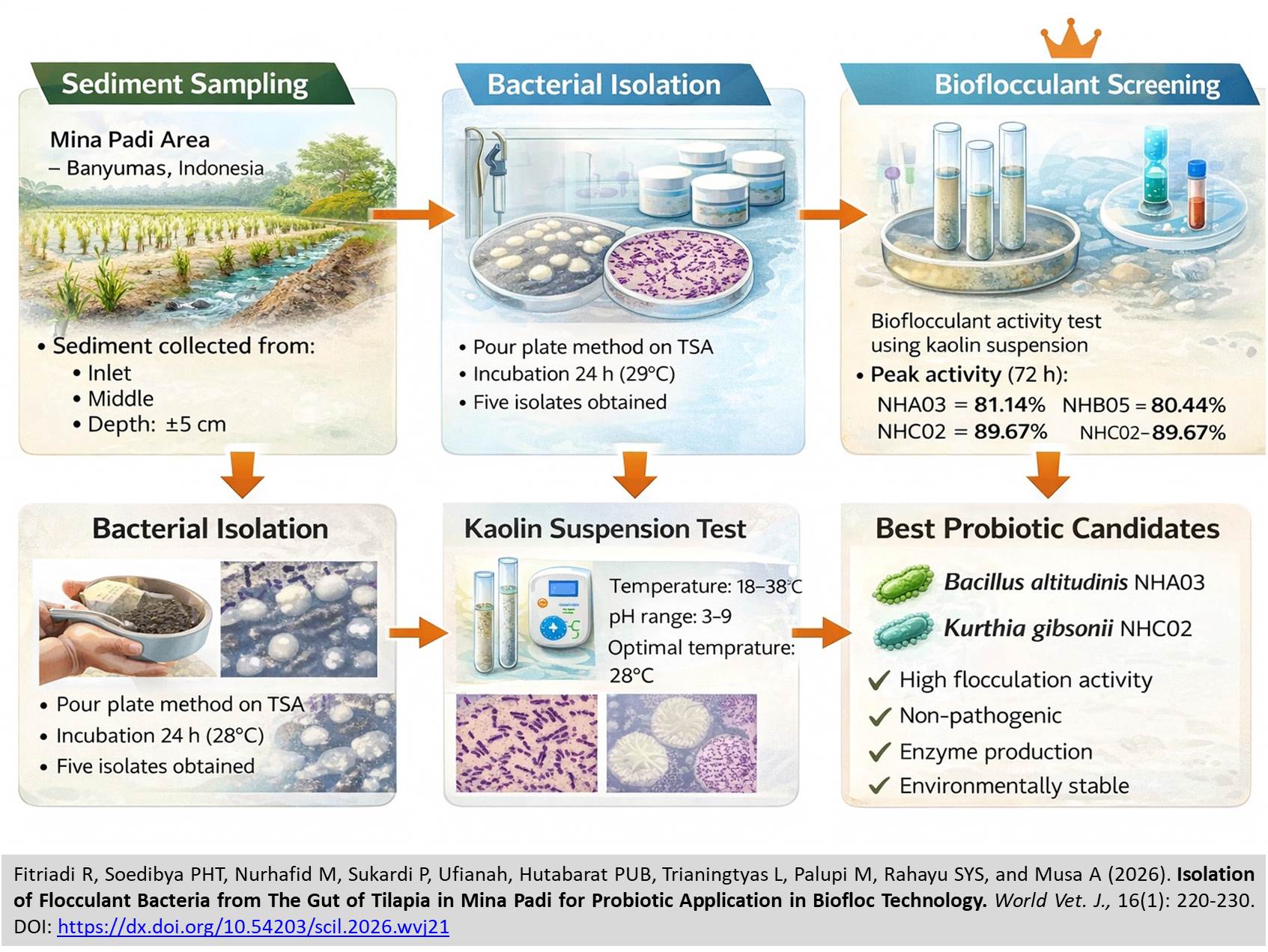
Isolation of Flocculant Bacteria from The Gut of Tilapia in Mina Padi for Probiotic Application in Biofloc Technology
|
|
Fitriadi R, Soedibya PHT, Nurhafid M, Sukardi P, Ufianah, Hutabarat PUB, Trianingtyas L, Palupi M, Rahayu SYS, and Musa A.
World Vet. J. 16(1): 220-230, 2026; pii:S232245682600021-16
DOI: https://dx.doi.org/10.54203/scil.2026.wvj21
ABSTRACT: Biofloc technology is a sustainable aquaculture system with considerable potential. The system operates through complex bacterial interactions, which require effective flocculant bacterial isolates to function optimally within the system. The present study aimed to isolate flocculant bacteria from the Mina Padi region in Banyumas, Indonesia, as candidate probiotics for fish farming using biofloc technology. Flocculant bacteria were selected using the kaolin suspension method, yielding three high-activity flocculant bacterial isolates as potential candidates. The flocculant bacterial isolates were successfully identified using 16S rRNA gene sequencing, namely Bacillus altitudinis NHA03, Staphylococcus ureilyticus NHB05, and Kurthia gibsonii NHC02. In the kaolin suspension test, peak flocculation activity was achieved at 72 hours, with values of 81.14% for NHA03, 80.44% for NHB05, and 89.67% for NHC02. The three isolates demonstrated stable performance across a pH range of 3-9 and a temperature range of 18-38°C. The highest flocculation activity was observed at 28°C, with NHC02 reaching 80%, followed by NHB05 at 75% and NHA03 at 65%. Regarding pH, NHB05 exhibited the highest activity at pH 3-5, NHA03 was optimal at pH 5, while NHC02 maintained consistent activity across all pH levels. Based on supporting tests, Bacillus altitudinis NHA03 and Kurthia gibsonii NHC02 were non-pathogenic, produced enzymes (protease, amylase, and cellulase), and demonstrated resistance to pH and temperature variations, indicating a strong capacity for environmental adaptation. Staphylococcus ureilyticus NHB05 demonstrated no extracellular enzyme activity and exhibited increased antibiotic resistance, making it less appropriate as a probiotic candidate. Bacillus altitudinis NHA03 and Kurthia gibsonii NHC02 can currently be recommended as probiotic candidates for use in aquaculture with biofloc technology based on their flocculation performance and other beneficial traits.
Keywords: Bacillus altitudinis, Biofloc technology, Flocculant bacteria, Kurthia gibsonii
[Full text-PDF] [Crossref Metadata] [Scopus] [Export from ePrint]
 Research Paper
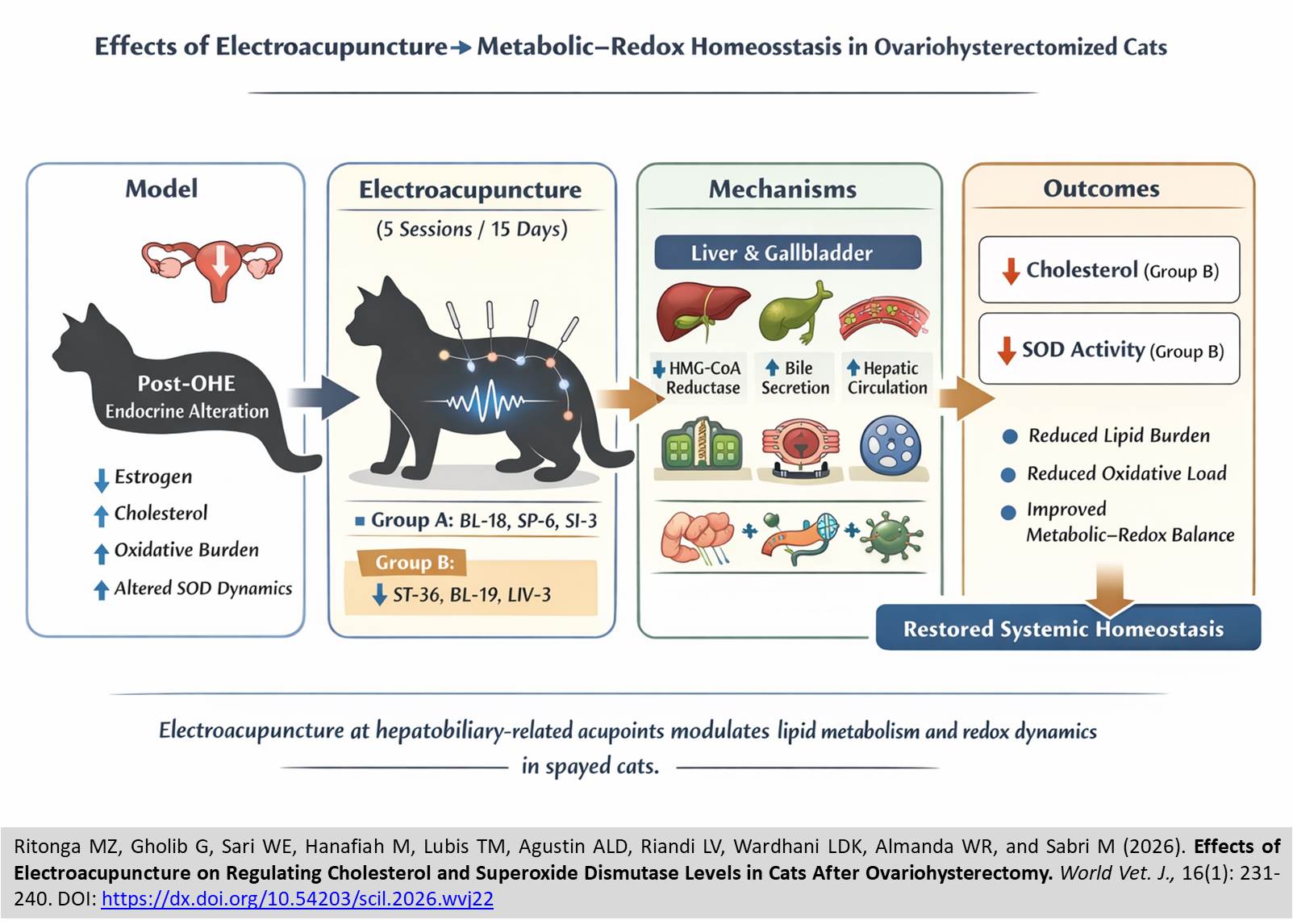
Effects of Electroacupuncture on Regulating Cholesterol and Superoxide Dismutase Levels in Cats After Ovariohysterectomy
|
|
Ritonga MZ, Gholib G, Sari WE, Hanafiah M, Lubis TM, Agustin ALD, Riandi LV, Wardhani LDK, Almanda WR, and Sabri M.
World Vet. J. 16(1): 231-240, 2026; pii:S232245682600022-16
DOI: https://dx.doi.org/10.54203/scil.2026.wvj22
ABSTRACT: Electroacupuncture (EA) has gained attention as a non-pharmacological intervention that can influence metabolic and oxidative pathways through autonomic and neuroendocrine regulation. Cholesterol and superoxide dismutase (SOD) are important indicators of lipid metabolism and redox status. The present study aimed to investigate the modulation of cholesterol and SOD activity following EA in cats after ovariohysterectomy, a model of chronic estrogen depletion associated with dysregulated lipid control and increased oxidative susceptibility. Fifteen healthy, neutered adult female domestic cats weighing 2-3 kilograms, aged 1-2 years, were assigned to three groups in a completely randomized design. One group served as the control with no EA treatment (Group 1), the second group received EA at bladder 18 (BL-18), spleen 6 (SP-6), and small intestine 3 points (SI-3; Group 2), and the third group received EA at stomach 36 (ST-36), BL-19, and liver 3 points (LIV-3; Group 3). The EA was administered five times at three-day intervals, with each session lasting 10 minutes. Blood samples were collected before and after treatment and analyzed for cholesterol and SOD using standard biochemical assays and enzyme-linked immunosorbent assay. The present study was conducted over 15 days. Groups 2 and 3 demonstrated significant reductions in cholesterol levels compared to the control group. Group 2 achieved the lowest cholesterol level after EA, which was significantly lower than that of Group 3 and Group 1. Group 3 maintained significantly higher SOD levels than Group 2 and Group 1 before and after treatment, whereas no significant differences were observed between Group 1 and Group 2 at either time point. All groups demonstrated numerical decreases in SOD activity over the study period. The concurrent changes in cholesterol and SOD levels across treatment groups indicated interconnected physiological responses that improved lipid homeostasis and modulated oxidative stress. The present results demonstrated that EA supported coordinated regulation of metabolic and antioxidant pathways in neutered cats through distinct acupoint-specific mechanisms. These findings highlighted the potential of EA as a complementary approach for restoring metabolic-redox balance in animals with long-term endocrine alterations. The integrated changes in cholesterol and SOD underscored the relevance of acupuncture-based interventions for enhancing systemic homeostasis.
Keywords: Cat, Cholesterol, Electroacupuncture, Lipid metabolism, Ovariohysterectomy, Oxidative stress, Superoxide dismutase
[Full text-PDF] [Crossref Metadata] [Scopus] [Export from ePrint]
 Research Paper
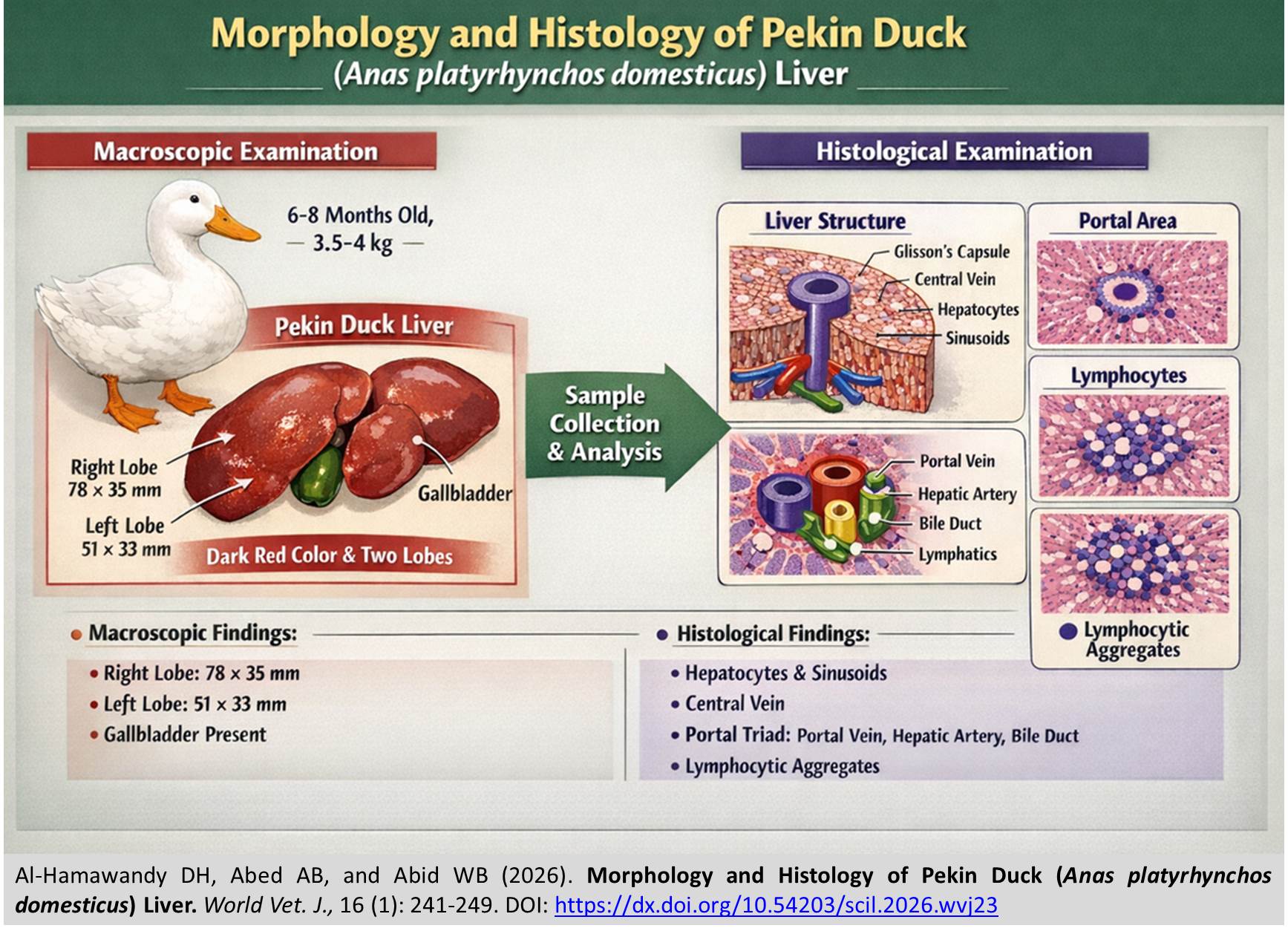
Morphology and Histology of Pekin Duck (Anas platyrhynchos domesticus) Liver
|
|
Al-Hamawandy DH, Abed AB, and Abid WB.
World Vet. J. 16(1): 241-249, 2026; pii:S232245682600023-16
DOI: https://dx.doi.org/10.54203/scil.2026.wvj23
ABSTRACT: The liver is a vital organ in animals, particularly in poultry, and having a detailed understanding of its anatomy and histology is important for veterinary and comparative anatomical studies. The present study aimed to examine the macroscopic and microscopic characteristics of the liver in healthy male Pekin ducks. Ten male ducks, aged 6-8 months and weighing 3.5-4 kg, were obtained from different areas of Baghdad, Iraq, to examine the anatomical size and internal structure of their livers. The size, color, lobes, and gallbladder position of the Pekin duck liver were assessed through macroscopic observation. Histological examination was performed to assess the capsule, hepatic tissue structure, sinusoids, hepatocytes, portal areas, and lymphocytic aggregates. The present results indicated that the Pekin ducks' livers were dark red to reddish-brown and located ventrally in the abdominal cavity. Pekin ducks' livers consisted of two lobes without any secondary lobulation. The right lobe measured 78 mm in length, 35 mm in width, and the left lobe measured 51 mm in length and 33 mm in width. The liver was surrounded by Glisson’s capsule with thin septa. Hepatocytes were arranged in radial cords around the central vein, with sinusoids containing Kupffer cells. The portal area contained branches of the portal vein, hepatic artery, bile duct, and lymphatics. Lymphocytic aggregates were observed in hepatic cords and portal areas. The present findings provided baseline morphological and histological data on the Pekin duck liver, supporting future anatomical and veterinary investigations.
Keywords: Duck, Hepatocyte, Liver, Sinusoid
[Full text-PDF] [Crossref Metadata] [Scopus] [Export from ePrint]
 Research Paper
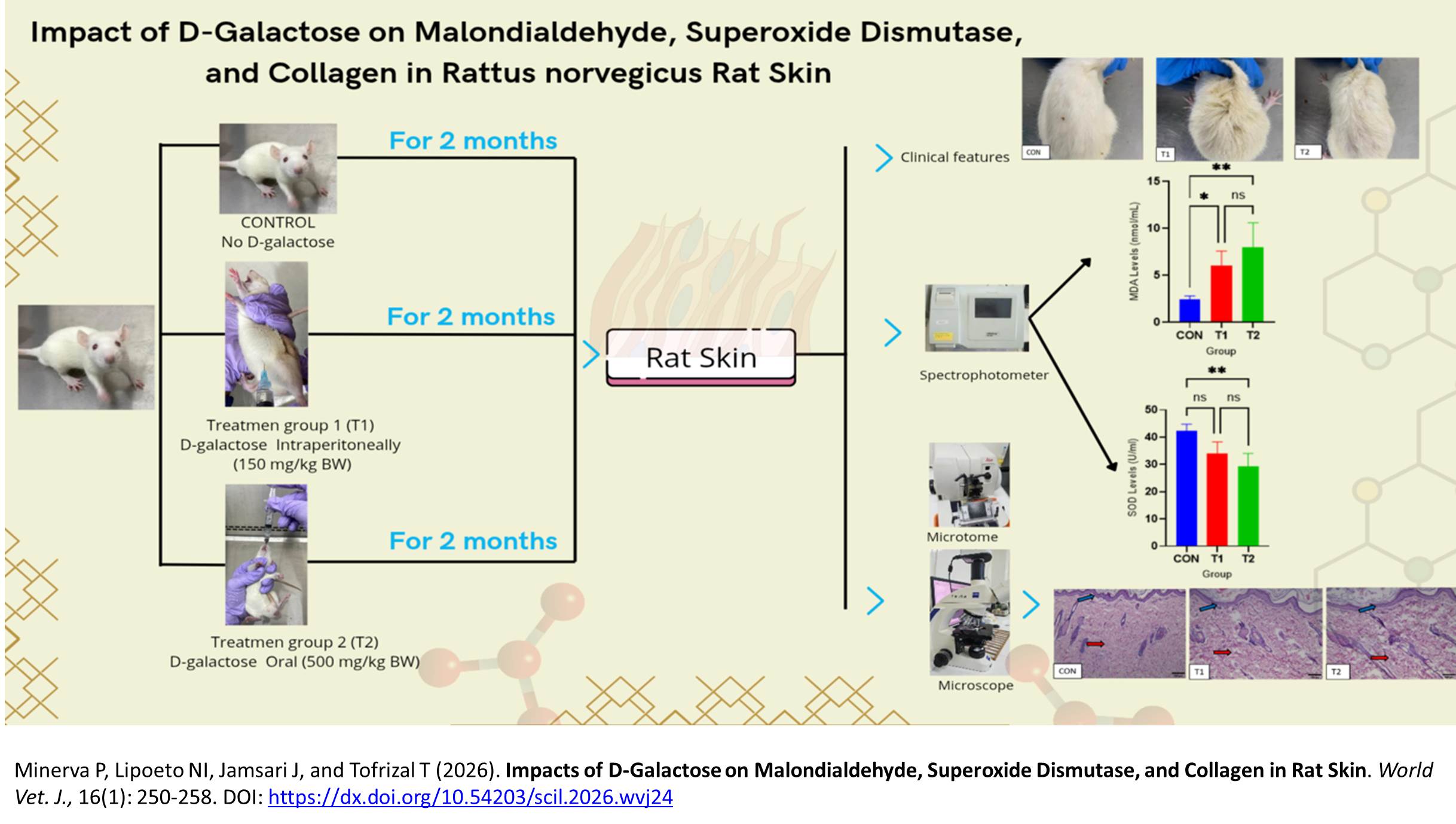
Impacts of D-Galactose on Malondialdehyde, Superoxide Dismutase, and Collagen in Rat Skin
|
|
Minerva P, Lipoeto NI, Jamsari J, and Tofrizal T
World Vet. J. 16(1): 250-258, 2026; pii:S232245682600024-16
DOI: https://dx.doi.org/10.54203/scil.2026.wvj24
ABSTRACT: Oxidative stress, primarily mediated by reactive oxygen species (ROS), accelerates skin aging by causing damage, altering antioxidant levels, and promoting inflammation. D-galactose induces oxidative stress by increasing advanced glycation end products and ROS, resulting in cell damage. The present study aimed to assess the effect of intraperitoneal and oral administration of D-galactose on the aging process in rat skin. A total of 27 three-month-old Rattus norvegicus were allocated to three groups, each consisting of nine animals. Rats in the control group were not induced with D-galactose (CON). The first treatment group received an intraperitoneal injection of D-galactose at 150 mg/kg body weight (BW; T1), while the second treatment group received oral administration of D-galactose at 500 mg/kg BW (T2). D-galactose was administered for 60 days, and samples of the rat's dorsal skin were collected and examined for malondialdehyde (MDA) levels, superoxide dismutase (SOD) activity, and histological examination using hematoxylin and eosin staining. The clinical features exhibited that the rat's skin treated with D-galactose was dry, rough, and dull, with brownish-yellow fur. Histopathology analysis indicated a significant decrease in collagen density in the treatment group. Intraperitoneal injection of D-galactose significantly increased MDA levels but did not lead to a significant reduction in SOD levels or skin collagen density compared to the control group. The oral administration of D-galactose significantly increased MDA levels but reduced SOD levels and collagen density in skin tissue compared to the control group. The present study indicated no significant differences in SOD, MDA levels, or collagen density between the intraperitoneal D-galactose group and the orally administered group. Oral administration of D-galactose could increase oxidative stress, decrease antioxidant activity, and decrease collagen density in mouse skin. Oral D-galactose can be used as an alternative method to induce skin aging in rats.
Keywords: Aging, D-galactose, Rat, Skin
[Full text-PDF] [Crossref Metadata] [Scopus] [Export from ePrint]
 Research Paper
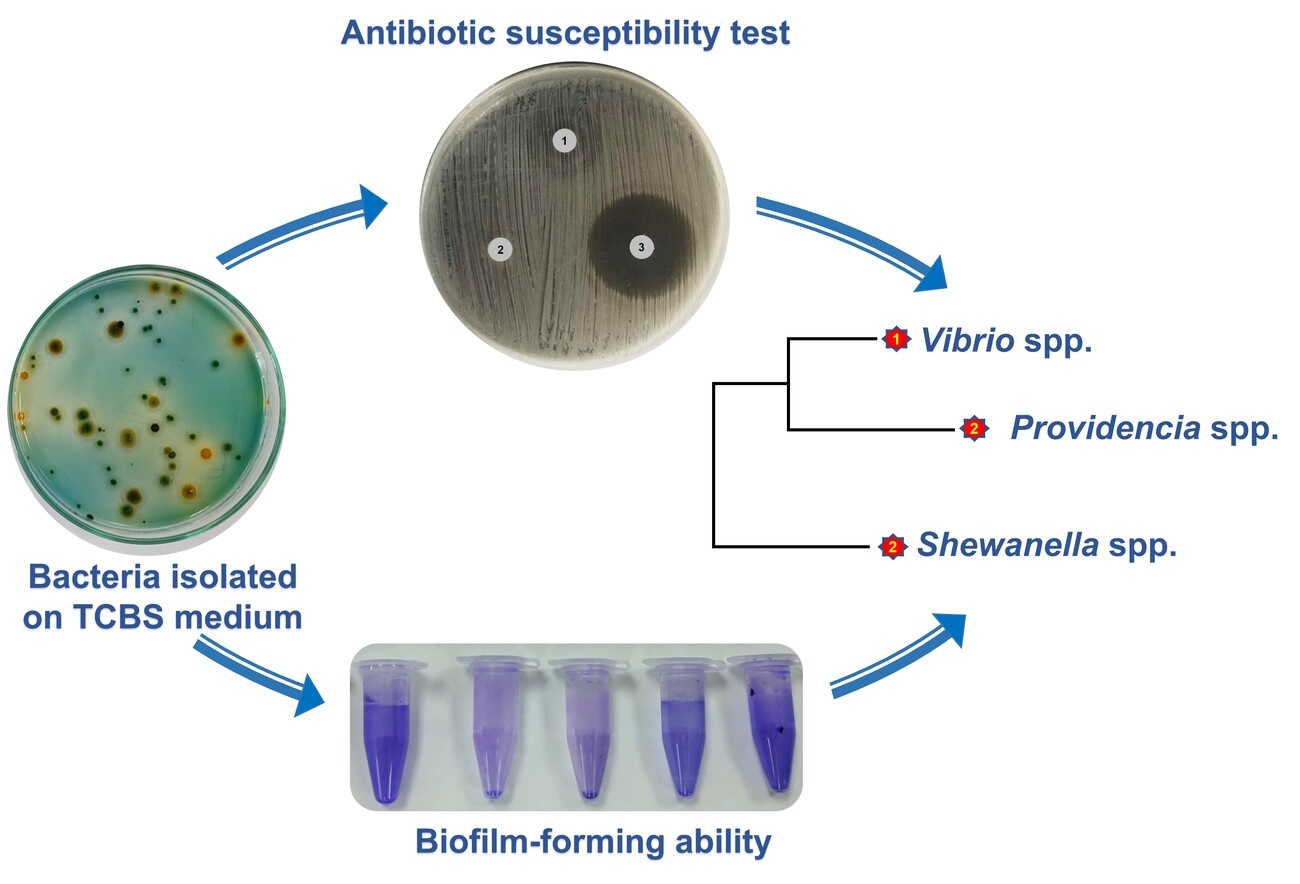
Assessment of Antibiotic Susceptibility and Biofilm Formation in Bacteria Isolated from White-Leg Shrimp in Traditional Markets, Can Tho City, Vietnam
|
|
Tran HH, Huynh NT, Tran NVB, Le TU, and Huynh TNT.
World Vet. J. 16(1): 259-270, 2026; pii:S232245682600025-16
DOI: https://dx.doi.org/10.54203/scil.2026.wvj25
ABSTRACT: In shrimp aquaculture, antibiotics are used to control bacteria, particularly species capable of growing on thiosulfate citrate bile salts sucrose (TCBS) agar. However, the overuse of antibiotics may lead to the emergence of antibiotic-resistant bacteria and the presence of antibiotic residues in food products. The present study aimed to evaluate the antibiotic susceptibility of bacterial isolates recovered from market shrimp against nine antibiotics, as well as their biofilm-forming capacity. The investigation focused on isolating bacteria capable of growing on TCBS agar, assessing antibiotic susceptibility using the disk diffusion method, and determining biofilm formation by the 1% crystal violet staining assay. From four shrimp samples collected at local markets, a total of 18 bacterial isolates were obtained, exhibiting yellow, green, and black colonies on TCBS agar. All isolates were resistant to at least one antibiotic and were capable of forming biofilms. Specifically, all 18/18 isolates were resistant to cefotaxime (100%), while resistance rates to azithromycin, ampicillin, and erythromycin ranged from 77.8% to 83.3%. Lower resistance frequencies were observed for doxycycline, tetracycline, and trimethoprim-sulfamethoxazole (16.7-22.2%), and only 5.6% of isolates were resistant to ciprofloxacin. Notably, all isolates remained susceptible to levofloxacin (100%). The multiple antibiotic resistance (MAR) index indicated that different isolates exhibited high levels of multidrug resistance, particularly Mar2.2, Mar3.4, and Mar3.5 (MAR = 0.67). Moreover, all 18 isolates demonstrated biofilm-forming ability, with Mar1.2, Mar2.4, and Mar4.4 producing significantly greater biofilm biomass compared to the remaining isolates. Phylogenetic analysis based on 16S rRNA gene sequencing revealed that Mar1.2 and Mar2.2 belonged to the genus Vibrio, Mar2.4 and Mar4.4 were assigned to the genus Shewanella, whereas Mar3.4 and Mar3.5 were classified within the genus Providencia.
Keywords: Antibiotic, Biofilm, Marketable whiteleg shrimp, Shewanella, Vibrio, Providencia
[Full text-PDF] [Crossref Metadata] [Scopus] [Export from ePrint]
 Short Communication
Microbial Contamination of Chicken Meat in Traditional Markets, Indonesia
|
|
Zelpina E, Noor PS, Amir YS, and Suliha
World Vet. J. 16(1): 271-277, 2026; pii:S232245682600026-16
DOI: https://dx.doi.org/10.54203/scil.2026.wvj26
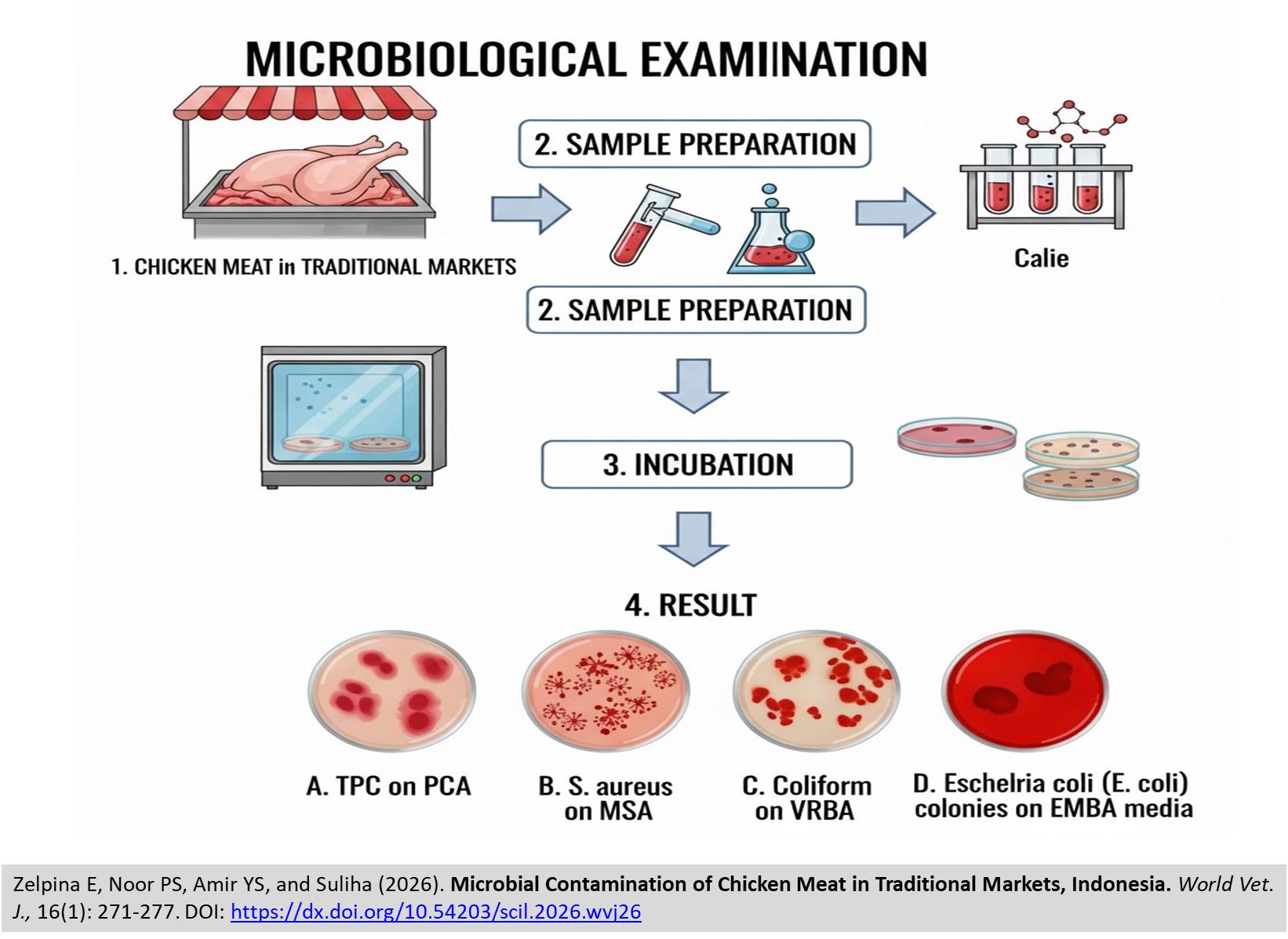
ABSTRACT: Animal-derived foods, particularly chicken meat, are a vital source of high-quality protein for human nutrition. Chicken meat is highly perishable and prone to contamination by harmful and spoilage microorganisms, particularly when handled or stored without proper hygiene and temperature control. In Indonesia, traditional markets remain the primary outlets for fresh chicken meat, yet scientific data on microbial contamination at the local level are still limited. The present study aimed to evaluate the microbiological quality of chicken meat sold in traditional markets in West Sumatra, Indonesia. A cross-sectional observational study was conducted from July to September 2025. A total of 65 chicken meat samples were collected from traditional markets in Payakumbuh City (n = 34) and Lima Puluh Kota Regency (n = 31). Samples were analyzed for total plate count (TPC), coliform bacteria, Escherichia coli, and Staphylococcus aureus using established microbiological methods in accordance with Indonesian national standards and international guidelines. The present results revealed that chicken meat from Payakumbuh city exhibited a mean TPC of 2.4 × 10⁶ CFU/g, exceeding the maximum permissible limit of ≤ 1 × 10⁶ CFU/g established by the Indonesian national standard, whereas samples from Lima Puluh Kota Regency indicated a slightly lower TPC of 9.6 × 10⁵ CFU/g. Coliform counts were recorded at 1.6 × 10⁴ CFU/g in Payakumbuh city and 1.8 × 10³ CFU/g in Lima Puluh Kota regency. Furthermore, E. coli contamination ranged from 1.5 × 10³ to 2.5 × 10³ CFU/g, while S. aureus levels ranged from 9.0 × 10¹ to 1.4 × 10² CFU/g. The high levels of microbial contamination observed in chicken meat sold in traditional markets in West Sumatra highlighted the importance of food safety concerns. Strengthening hygiene management, implementing effective cold chain systems, enhancing hygiene training for food handlers, and reinforcing regulatory oversight are strongly recommended to improve the microbiological quality of chicken meat and protect public health.
Keywords: Chicken meat, Microbial contamination, Traditional market
[Full text-PDF] [Crossref Metadata] [Scopus] [Export from ePrint]
 Short Communication
Diversity Identification of Follicle Stimulating Hormone with PstI Restriction Enzyme in Female Mud Buffalo (Bubalus bubalis)
|
|
Afriani T, Khasrad, Jaswandi, Farhani F, Artha TP, and Merdana IM.
World Vet. J. 16(1): 278-286, 2026; pii:S232245682600027-16
DOI: https://dx.doi.org/10.54203/scil.2026.wvj27
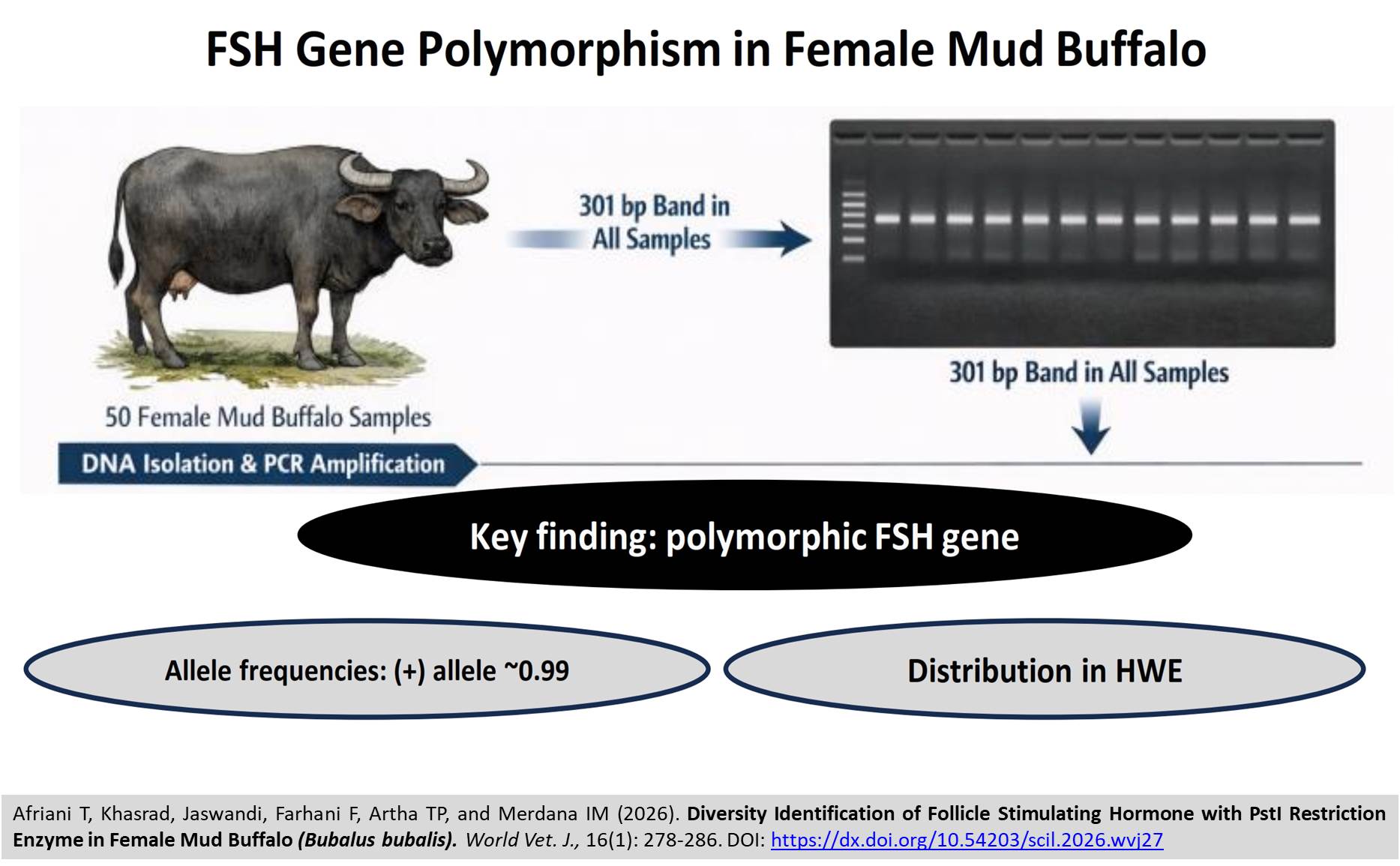
ABSTRACT: Low reproductive efficiency limits the productivity and milk yield in swamp buffaloes. Identifying follicle-stimulating hormone (FSH) is essential, as genetic variation in this gene can indicate reproductive potential. The present study aimed to characterize polymorphisms in the FSH gene, specifically exon 2, in female mud buffalo (Bubalus bubalis) using Polymerase Chain Reaction-Restriction Fragment Length Polymorphism (PCR-RFLP) with the PstI restriction enzyme. Blood samples (n = 50) were collected through purposive sampling from healthy, mature female buffaloes (3-4 years of age, weighing 300-400 kilograms) across 50 farms in West Sumatra, Indonesia. Genomic DNA was extracted from the blood samples, and exon 2 of the FSH gene was amplified by PCR-RFLP, followed by PstI digestion to detect sequence variations. The PCR-RFLP analysis revealed two distinct genotypes, including a predominant homozygous genotype (+/+) in almost all buffaloes and a heterozygous genotype (+/-) observed in one sample. Additionally, one exhibited no visible DNA band. The allele frequencies for the allele with the PstI site (+) were ~0.99, and the genotype distribution conformed to the Hardy-Weinberg equilibrium. The assessment of FSH gene diversity in Indonesian mud buffaloes confirmed that the exon 2 locus is polymorphic. These preliminary findings offered important insights for targeted breeding programs and promoting the conservation of local buffalo genetic resources.
Keywords: Follicle-stimulating hormone, Genotype, Mud buffalo, PstI enzyme
[Full text-PDF] [Crossref Metadata] [Scopus] [Export from ePrint]
 Systematic Review
Distribution of Antibiotic Resistance Genes in Salmonella spp. in Africa: A Systematic Review
|
|
Esserghini H, Ansong DO, Ziyate N, Darkaoui S, Al Idrissi N, Benmoussa I, Ghazal H, Benmoussa A, Bakkali F, and Hamdi S.
World Vet. J. 16(1): 287-301, 2026; pii:S232245682600028-16
DOI: https://dx.doi.org/10.54203/scil.2026.wvj28
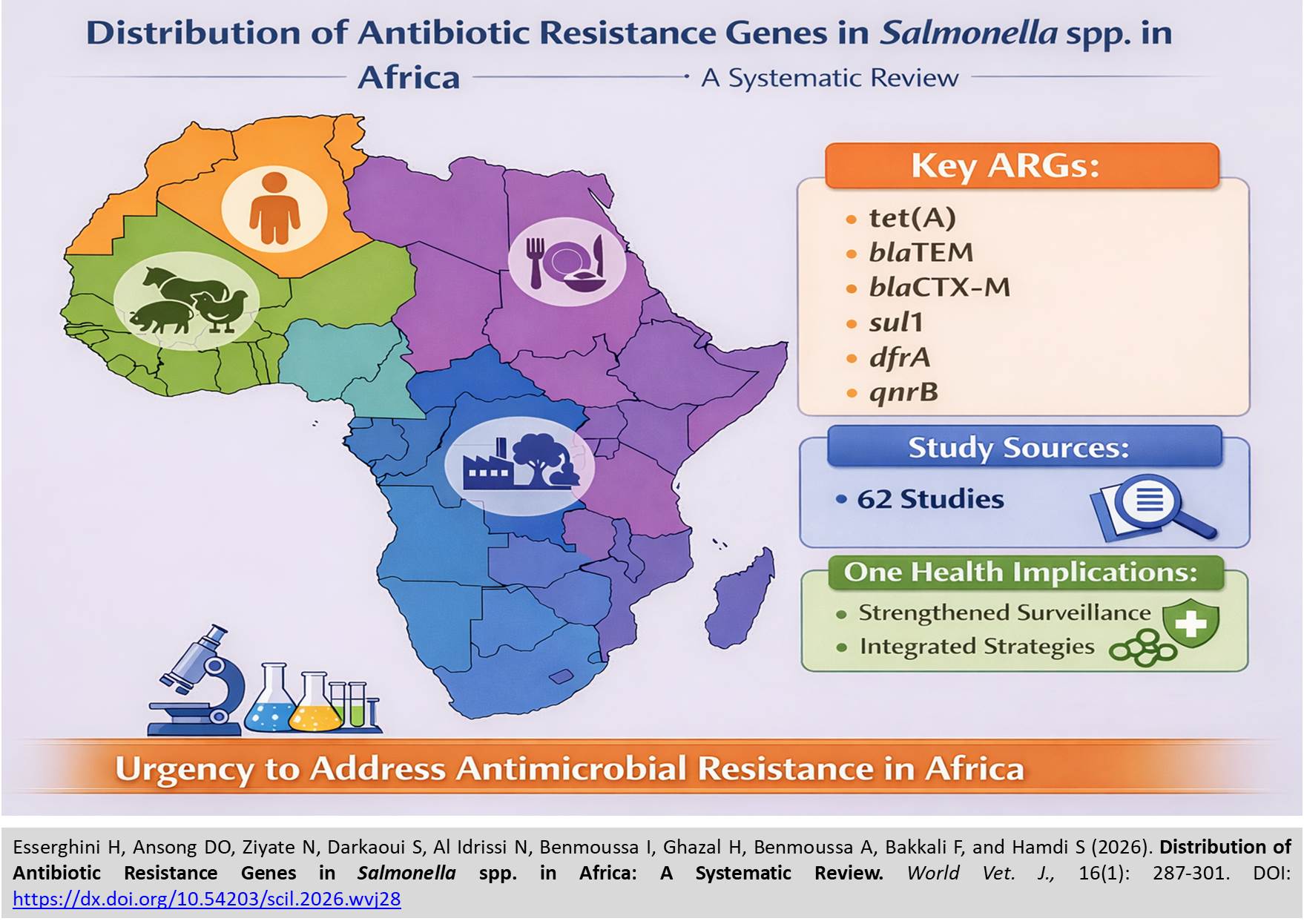
ABSTRACT: Antimicrobial resistance associated with Salmonella spp. represents a major global public health concern. In Africa, this challenge is particularly critical, as Salmonella spp. are a leading cause of foodborne diseases and act as significant reservoirs for the dissemination of antibiotic resistance genes (ARGs). This systematic review synthesizes data from studies published between 2013 and 2023 regarding the continental distribution of ARGs in Salmonella spp. across Africa. Publications were retrieved from PubMed, Scopus, and Google Scholar using predefined inclusion and exclusion criteria related to publication period, geographic location, and relevance to antibiotic resistance genes in Salmonella spp. Data were analyzed to evaluate the distribution of resistance genes across sample types (human, animal, food, and environmental sources), detection methods, geographic regions, and temporal trends. North Africa contributed the majority of studies (27; 43.5%), followed by West Africa (19; 30.6%), Southern Africa (9; 14.5%), East Africa (6; 9.7%), and Central Africa (3; 4.8%). Polymerase chain reaction (PCR) was the predominant method for detecting resistance genes, employed in 48 studies (77.4%). In contrast, quantitative PCR (qPCR) and whole-genome sequencing were used in 2 (3.2%) and 12 (19.4%) studies, respectively. Based on the frequency of occurrence across the included publications, the most frequently reported resistance genes were blaTEM (11.37%), tetA (7.78%), blaCTX-M (7.58%), sul1 (5.83%), sul2 (4.90%), dfrA (4.37%), and qnrB (3.79%). Overall, the findings highlight a broad diversity and widespread distribution of antibiotic resistance genes in Salmonella spp. across Africa. The frequent association of these genes with mobile genetic elements underscores the potential for horizontal gene transfer and the emergence of multidrug-resistant strains. These results demonstrated an urgent need for strengthened surveillance systems and the implementation of integrated One Health strategies linking human, animal, and environmental health sectors to mitigate antimicrobial resistance in African countries.
Keywords: Africa, Antibiotic resistance gene, One Health, Public health, Salmonella spp.
[Full text-PDF] [Crossref Metadata] [Scopus] [Export from ePrint]
 Review
Evaluating the Nutritional Bioefficacy of Xylanase and Cellulase in Poultry Diets Rich in Non-Starch Polysaccharides
|
|
Rosyada ZNA, Lamid M, Al Arif MA, Rimayanti, Lokapirnasari WP, Ayuti SR, Khairullah AR, Baihaqi ZA and Gangil R.
World Vet. J. 16(1): 302-311, 2026; pii:S232245682600029-16
DOI: https://dx.doi.org/10.54203/scil.2026.wvj29
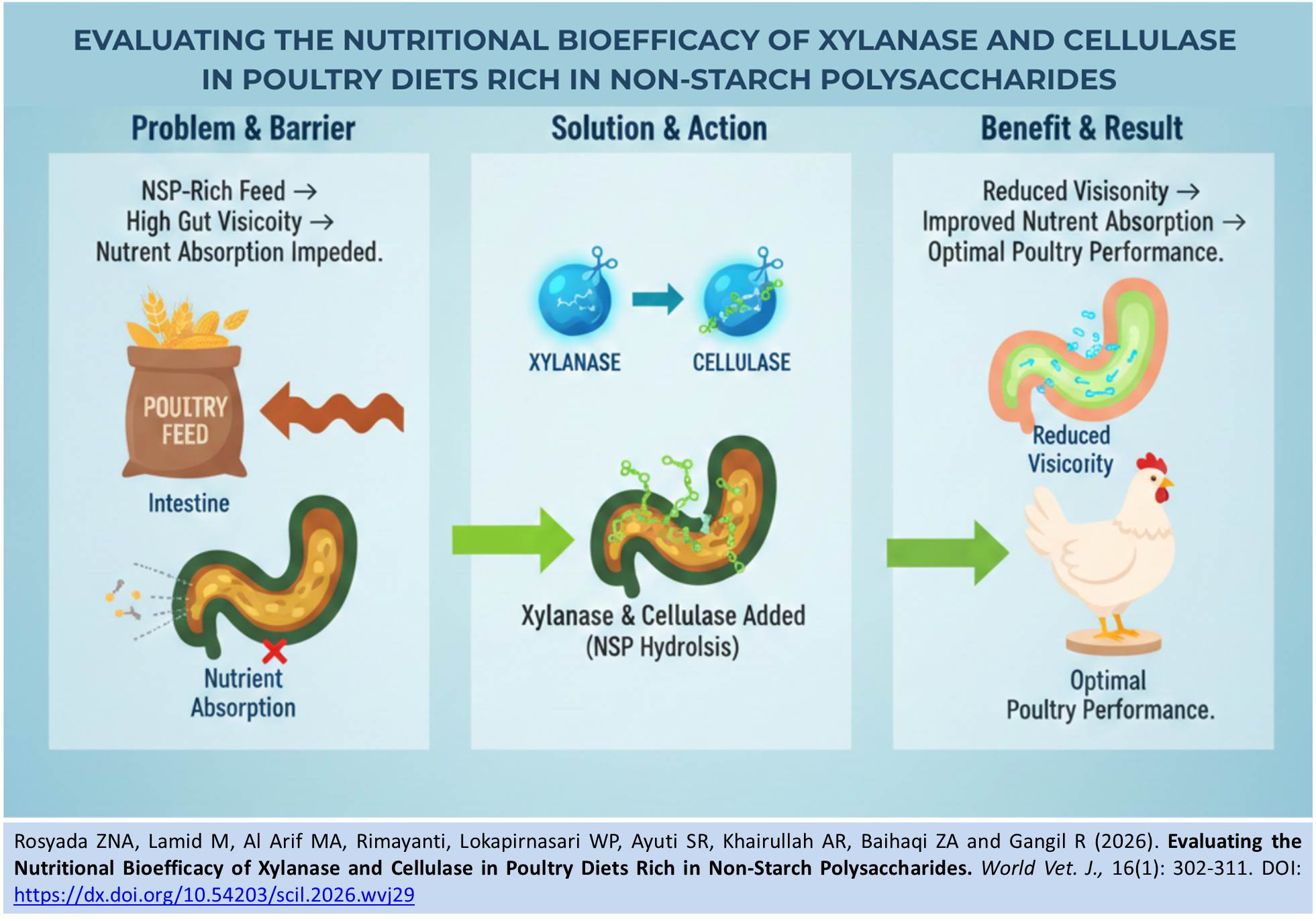
ABSTRACT: The incorporation of agro-industrial by-products into poultry feed offers a sustainable strategy for reducing reliance on conventional grains while diversifying nutritional inputs. However, the high content of non-starch polysaccharides (NSPs), particularly arabinoxylans and cellulose, limits nutrient utilization in monogastric animals due to increased digesta viscosity and structural barriers to nutrient release. Xylanase and cellulase are two widely studied exogenous enzymes that target these polysaccharides, enhancing nutrient accessibility in high-fiber poultry diets. This review aimed to synthesize evidence on the functional roles of xylanase and cellulase in degrading plant cell wall components and improving feed utilization. The present review synthesizes current evidence on the functional mechanisms of xylanase and cellulase in degrading plant cell-wall polysaccharides and enhancing feed utilization, with particular attention to the application of xylanase and cellulase in diets formulated with wheat pollard, rice bran, and other NSP-rich ingredients. Although numerous studies reported improved feed efficiency, digestibility, and growth performance following xylanase and cellulase enzyme supplementation, proximate analyses often indicated minimal or no changes in crude protein, fiber, or fat contents of enzyme-treated diets. The lack of compositional change, hereafter referred to as proximate compositional stability, has received limited attention as a potential indicator of enzymatic bio-efficacy. By integrating biochemical, nutritional, and physiological evidence, the present study highlights the interpretive gap between chemical composition and biological function in feed evaluation. The review further proposes that proximate compositional stability in an enzyme-supplemented diet does not indicate a lack of enzyme activity; rather, it represents a baseline condition confirming enhanced nutrient utilization. Recognizing this distinction is critical to developing function-oriented evaluation frameworks that support the effective use of fibrous by-products in poultry nutrition, aligned with broader goals of sustainable and resource-efficient animal production.
Keywords: Diet, Enzyme, Nutrient digestibility, Poultry nutrition, Proximate analysis
[Full text-PDF] [Crossref Metadata] [Scopus] [Export from ePrint]
Previous issue | Next issue | Archive
 This work is licensed under a Creative Commons Attribution 4.0 International License (CC BY 4.0).


